Why Is My Car Whining When I Turn: Causes & Fixes
A whining sound when you turn usually points to power steering, wheel bearings, or CV joint problems.
As a mechanic with over a decade of hands-on experience diagnosing car noises, I’ve tracked down that exact whining many times. This guide walks through why your car is whining when you turn, how to diagnose the cause, likely fixes and costs, and maintenance tips to stop the sound from coming back. Read on and you’ll be able to narrow down the cause quickly and get the right repair without guesswork.
Common causes of a whining noise when turning
When you ask "Why is My Car Whining When I Turn," you’re usually dealing with problems in the steering or wheel area. Short, clear causes include:
- Low or contaminated power steering fluid causing pump strain.
- Failing power steering pump or worn rack and pinion seals.
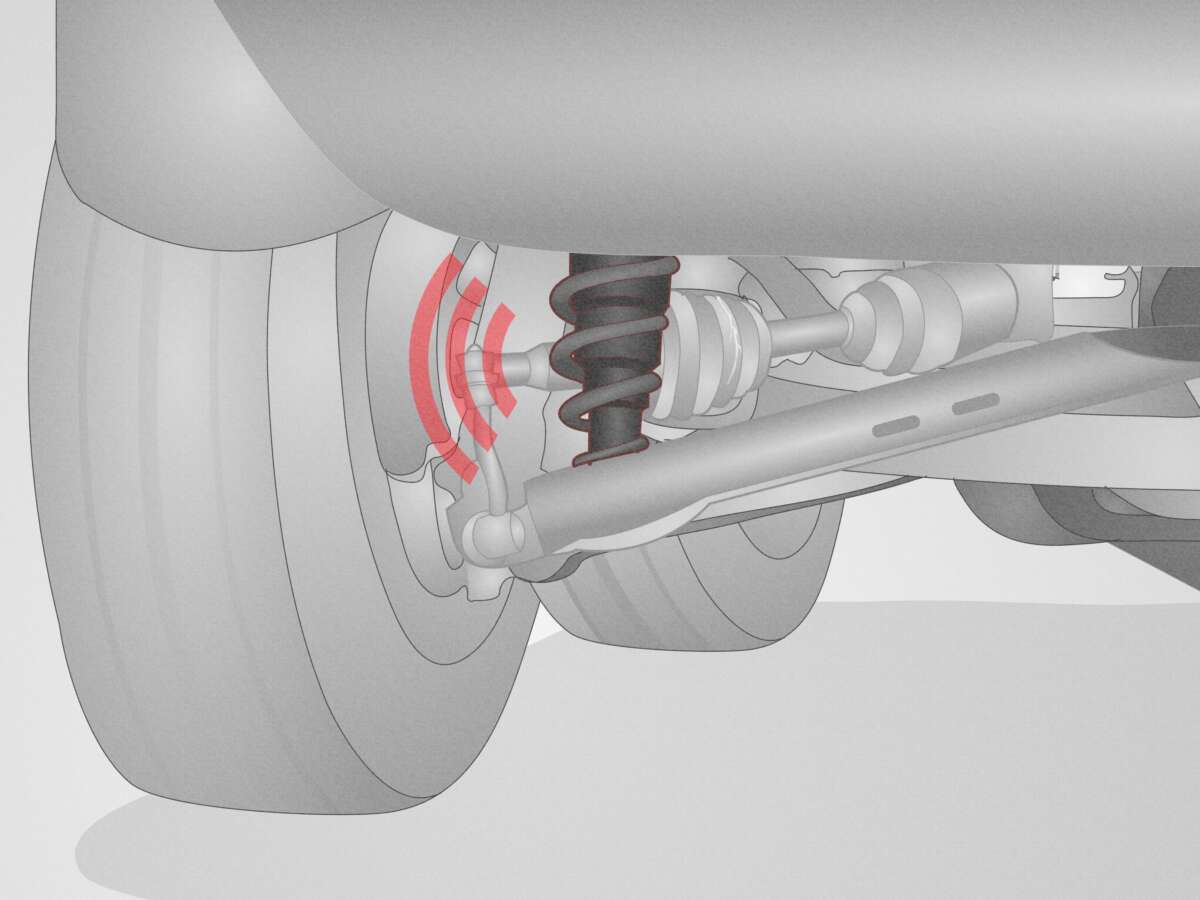
- Worn wheel bearings that hum or whine under load when turning.
- Bad CV joints or axles that make whining, clicking, or grinding while turning.
- Loose or glazed serpentine belt or failing belt tensioner that slips under load.
- Steering column or intermediate shaft binding in rare cases.
Most of these parts work harder when you turn. That extra load changes the sound from a steady whine to a louder or higher-pitched whine. When diagnosing "Why is My Car Whining When I Turn," think first about power steering and wheel bearings.

How to diagnose the whining step by step
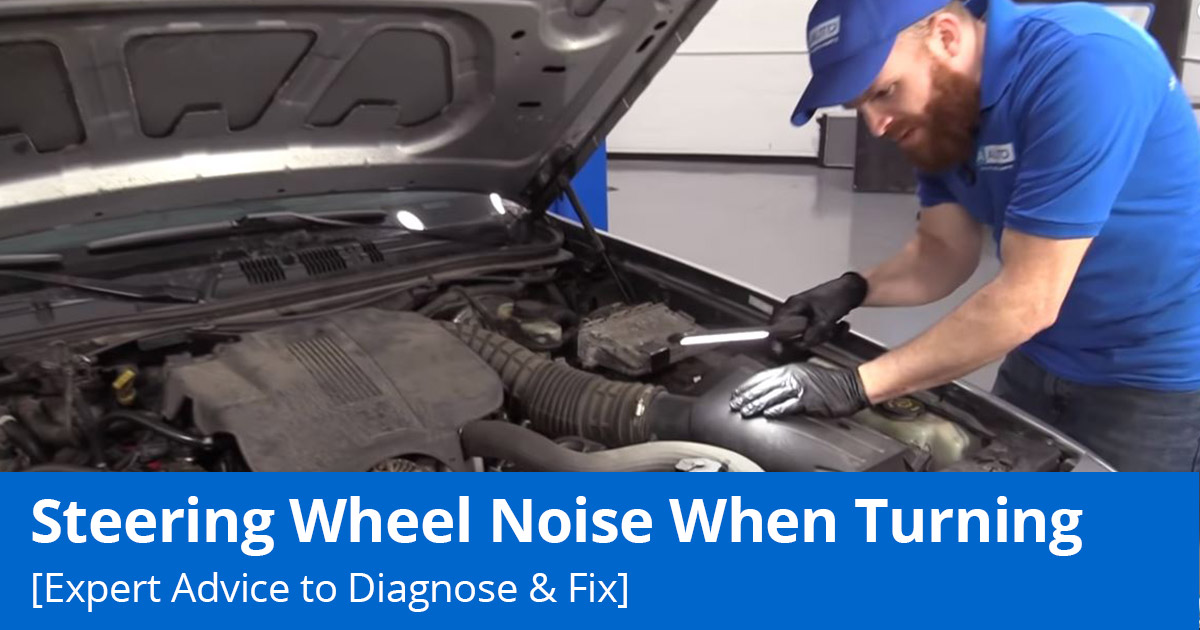
Diagnosing the cause of "Why is My Car Whining When I Turn" is faster if you follow a simple test plan.
- Check fluid first
- Inspect power steering fluid level and color. Low or dark, burnt fluid points to pump wear or contamination.
- Reproduce the noise
- Drive slowly in a quiet area and make gentle left and right turns. Note if the sound is louder in one direction.
- Listen near the wheel
- Use a long screwdriver pressed to the hub and your ear (or a mechanics stethoscope) to localize the noise to a wheel bearing, CV joint, or the engine bay.
- Look for play
- Jack the car safely and wiggle the wheel at 12 and 6 o’clock. Excess play often means a bad wheel bearing or tie rod end.
- Inspect boots and belts
- Check CV boot condition for grease leaks. Look at belt sheen, cracks, or looseness. A slipping belt can cause whining under load.
People also ask:
Why does power steering whine only when turning?
- Low fluid, air in the system, or a failing pump makes the system strain more during turns and produces a whine.
Can a wheel bearing sound like a whine when turning?
- Yes. A bad wheel bearing often changes pitch and gets louder on turns that load the bearing.
Is a whining noise dangerous?
- It can be. Steering or bearing issues affect control and should be inspected promptly.
Source: 1aauto.com
Typical fixes and estimated costs
Fixes vary widely based on the root cause of "Why is My Car Whining When I Turn." Here are common repairs and rough price ranges (parts + labor):
- Top up or flush power steering fluid: $50–$150.
- Replace power steering pump: $250–$800 depending on vehicle and rebuilt vs new part.
- Replace power steering rack or seals: $400–$1,200.
- Replace wheel bearing or hub assembly: $150–$500 per wheel.
- Replace CV axle or joint: $150–$600 per axle.
- Replace serpentine belt or tensioner: $100–$300.
My experience: I once diagnosed a whining sound that began only on right turns as a failing wheel bearing on the right front hub. The owner saved money by addressing it early. Ignoring it meant a complete hub assembly and extra labor later. When you ask "Why is My Car Whining When I Turn," consider both short-term fixes and long-term reliability.

Preventive maintenance to avoid whining noises
To reduce chances of hearing "Why is My Car Whining When I Turn" in the future, adopt a few simple habits.
- Check power steering fluid level and color every oil change.
- Replace fluid on the schedule recommended by the manufacturer.
- Inspect CV boots and wheel bearings during tire rotations.
- Replace worn belts and tensioners before they fail.
- Address unusual noises early to avoid cascading damage.
Small checks save big repair bills. A clean, properly filled steering system and well-lubricated drivetrain are your best defense.

When to see a mechanic
If you hear a whining noise when turning and any of these apply, get professional help right away:
- The noise grows louder or changes pitch.
- You feel vibration, pulling, or play in the steering wheel.
- Fluid leaks appear under the car.
- The car becomes hard to steer at low speeds.
Explaining exactly when the whining happens helps a technician diagnose faster. Tell them whether it happens only when cold, only at slow speeds, or only under heavy turning. Clear details cut diagnostic time and costs.
Frequently Asked Questions of Why is My Car Whining When I Turn
Could low power steering fluid cause whining only when turning?
Yes. Low fluid lets air enter the system and the pump works harder during turns, causing a whining noise.
How do I tell wheel bearing noise from power steering noise?
Wheel bearing noise usually gets louder with vehicle speed and changes when turning. Power steering whine often changes with steering input and engine RPM.
Will topping off power steering fluid fix the problem?
Topping off can hush the noise temporarily if low fluid is the only issue, but it won’t fix a failing pump or leaks.
Can worn CV joints sound like a whine?
Worn CV joints more commonly click on turns, but they can whine or grind if severely damaged or lacking grease.
Is it safe to drive with a whining noise when turning?
Short trips are sometimes safe, but driving long with steering or bearing issues risks bigger damage and safety concerns. Get it checked soon.
How long does a typical wheel bearing replacement take?
A single wheel bearing or hub assembly usually takes 1 to 2 hours, depending on vehicle and whether rusted parts slow the job.
Could electrical or alternator issues cause whining when turning?
Rarely. Alternator whines are usually tied to engine load, not steering load, so if the sound only appears while turning, focus on steering and wheel components.
Conclusion
You now know the main reasons for "Why is My Car Whining When I Turn," how to check common causes, and what repairs typically cost. Start with fluid and simple inspections, then use listening and play tests to narrow down wheel bearings, CV joints, or steering parts. Fix small issues early to avoid bigger bills and safety risks. If you’re unsure, get a trusted mechanic to inspect the car and share exactly when the whine happens. If this article helped, try these checks yourself, leave a comment with your symptoms, or subscribe for more car-noise guides.