When to Add Coolant to Car: Essential Timing Tips
Imagine you are on a long road trip. The music is good. The sun is shining. Suddenly, you see steam. It rises from the front of your car. Your heart sinks. You look at the dashboard. The needle is in the red zone. Your car is overheating.
This is a scary moment. I know this because it happened to me.
Years ago, I drove my old blue truck across the state. I did not check my fluids. I thought the truck was tough. I was wrong. I ended up stuck on the side of the road for hours. It was hot. It was expensive. And it was totally preventable.
Your car is like a body. It has a heart (the engine). It has blood (the oil). And it has sweat (the coolant). If it cannot sweat, it gets a fever. That fever can kill the engine.
You might ask, “When should I add coolant to my car?” It is a great question. It is a simple task. But, timing is everything.
In this guide, I will talk to you like a friend. I will share what I learned working in the garage. We will keep it simple. We will keep it safe. You will learn to keep your car cool and happy.
What is Coolant Anyway? (And Why You Need It)
Let’s start with the basics. What is that bright liquid?
Many people call it “antifreeze.” Others call it “coolant.” They are usually the same thing. It is a mix. It is half water and half chemical. The chemical is usually glycol.
This mix does two big jobs.
First, it stops the water from freezing. If you live in the cold, pure water turns to ice. Ice expands. This can crack your engine block. That is a disaster.
Second, it stops the water from boiling. Engines get very hot. They can reach over 200 degrees. Plain water boils at 212 degrees. Coolant raises that boiling point. It lets the engine run hot without turning the liquid into steam.
Think of it as a magic shield. It protects your engine from extreme cold and extreme heat. It also stops rust. Water causes rust. Coolant has special additives to stop rust.
So, it keeps your engine cool, liquid, and clean.

Credit: www.youtube.com
When to Add Coolant to Car: The Timing Tips
Now, let’s answer the big question. When do you need to add it?
You do not need to add it every day. In fact, you should not have to add it often. A car’s cooling system is a “closed loop.” This means the liquid stays inside. It goes round and round. It should not leave.
However, levels can drop. Here is when you should check:
1. Before Long Trips
Are you going on a vacation? Check it first. Driving for hours puts stress on the engine. A low level can lead to trouble miles from home.
2. With Every Oil Change
You change your oil every few months. Make it a habit. Check the coolant tank too. It takes ten seconds.
3. When Seasons Change
Winter is coming? Check it. Summer heat wave? Check it. Extreme weather tests your car.
4. If You See a Leak
If you see spots on your driveway, check the level. We will talk more about leaks soon.
5. Every 30,000 Miles
Old coolant gets tired. It cannot fight rust anymore. Most manuals say to flush it every 30,000 to 50,000 miles.
Top 5 Signs Your Car Is Crying for Coolant
Your car talks to you. You just need to listen. If the level is low, your car will show signs. These are coolant low symptoms.
1. The Temperature Gauge Spikes
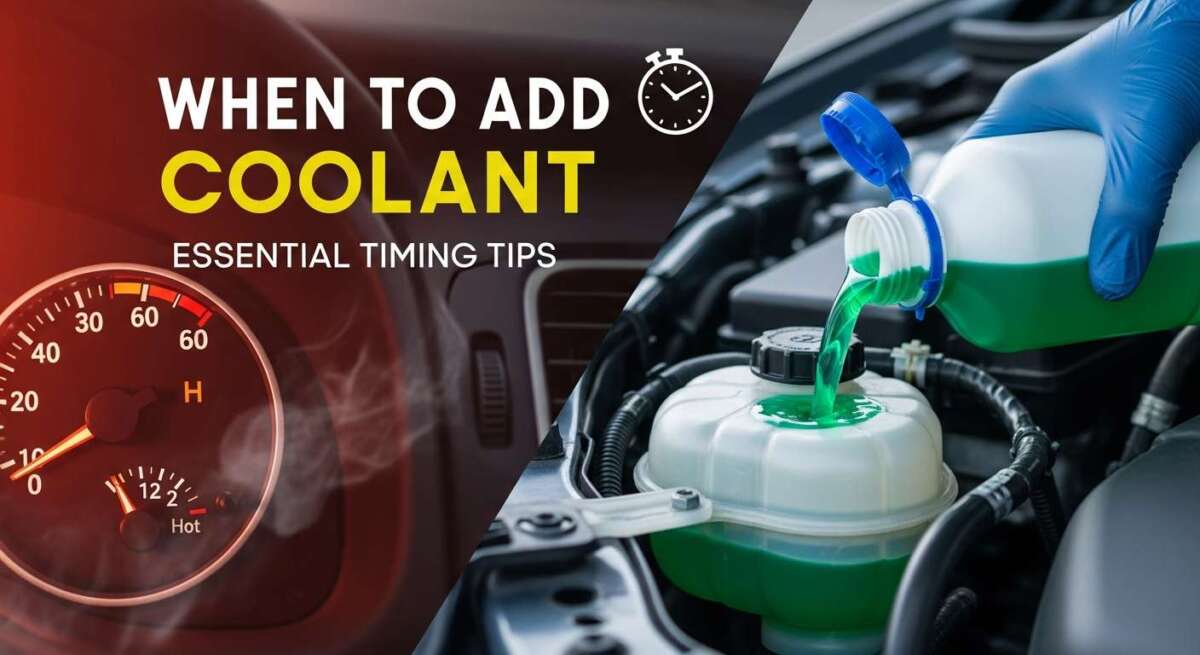
Look at your dashboard. You see a gauge with a “C” and an “H”. The needle should sit in the middle. If it creeps toward the “H,” watch out. This means the engine is getting too hot. This is the biggest warning sign.
2. The Sweet Smell
Have you ever smelled maple syrup near your car? It smells sweet. It smells like pancakes. This is not a good sign. Coolant smells sweet when it burns or leaks. If you smell syrup, look for a leak.
3. Colored Puddles
Look under your car. Do you see a puddle? Touch it. Is it oily? That is oil. Is it like water but colorful? That is likely coolant. It can be bright green. It can be pink. It can be orange. It is a clear coolant leak sign.
4. No Heat in the Cabin
It is winter. You turn on the heater. The air is cold. Why? The heater uses hot coolant to warm the air. If there is no coolant, there is no heat. This is often the first sign of low levels.
5. Dashboard Warning Lights
Modern cars are smart. You might see a light pop up. It looks like a thermometer with waves under it. Or it might say “Check Coolant.” Do not ignore this light.
Safety First: The Golden Rule of Coolant
Before we open the hood, stop. We need to talk about safety. This is the most important part of this article.
NEVER open the radiator cap when the engine is hot.
Please, read that again. Never.
Why? The system is under pressure. It is like a shaken soda can. But this soda is boiling hot. If you open the cap, hot steam will explode out. It can burn your face. It can burn your hands.
My Personal Experience:
I once worked with a guy named Dave. Dave was in a rush. A customer came in with an overheating car. Dave did not wait. He grabbed a rag. He twisted the cap. Whoosh! A geyser of green liquid shot up. It hit the ceiling. Luckily, Dave jumped back fast. He only got a small burn on his arm. But it was scary. It could have been his eyes.
How to be safe:
- Park the car.
- Turn off the engine.
- Wait at least 30 minutes.
- Touch the hood. Is it cool?
- Squeeze the upper radiator hose. Is it soft? If it is hard, there is still pressure.
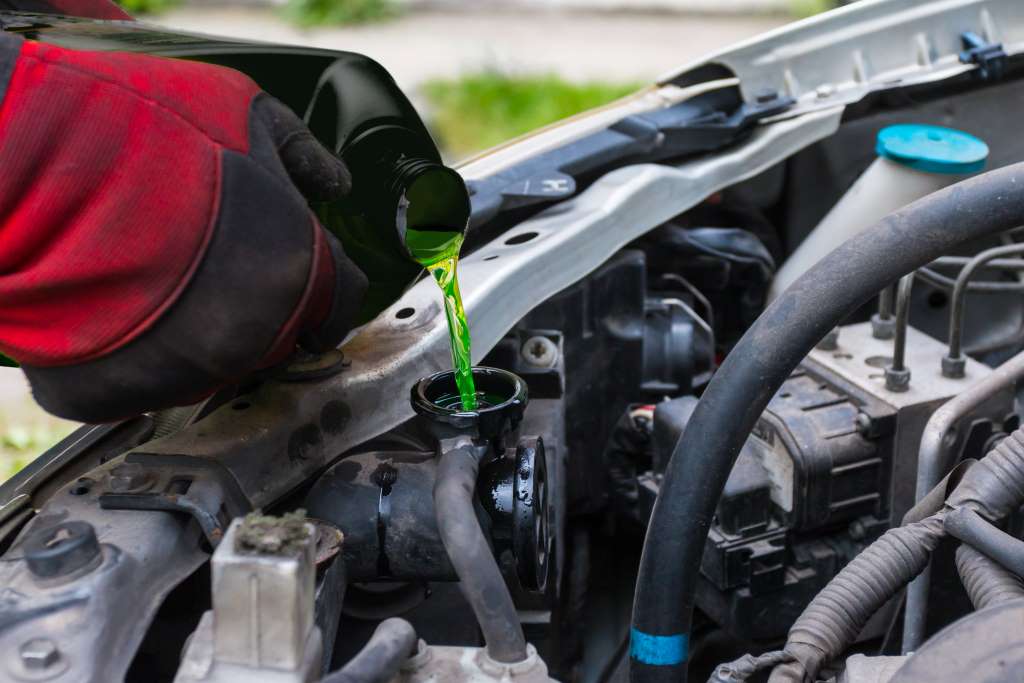
Credit: carfromjapan.com
How to Check Your Coolant Level (Step-by-Step)
Okay, the car is cool. You are safe. Now, let’s check the level. You do not need tools for this.
Step 1: Pop the Hood
Pull the lever inside the car. Go to the front. Unlatch the hood. Prop it up.
Step 2: Find the Reservoir
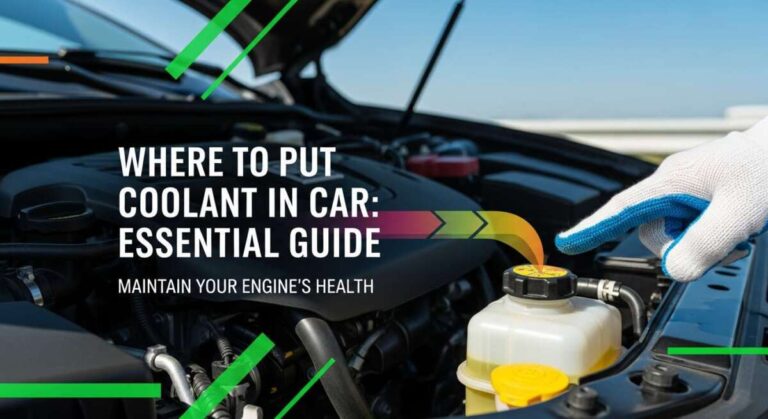
Look for a plastic tank. It is usually clear or white. It sits near the radiator. It has colored liquid inside. The cap might have a symbol of a book or a warning hand.
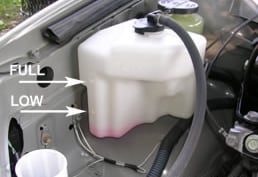
Step 3: Look at the Lines
You do not need to open it yet. Look at the side of the tank. You will see lines.
- One line says “MIN” or “Low.”
- One line says “MAX” or “Full.”
Step 4: Check the Level
The liquid should be between the lines.
- If it is near MAX, you are good.
- If it is below MIN, you need to add some.
Step 5: Check the Radiator (Only if needed)
Some old cars do not have a clear tank. You might need to check the radiator cap. Remember the Golden Rule. Only do this if it is cold. Open the cap. You should see fluid near the top. If you see metal fins, it is low.
This simple check answers how to check coolant level.
Choosing the Right Juice: Colors and Types
You go to the store. You see a wall of bottles. Green. Pink. Orange. Blue. Which one do you buy?
This confuses many people. Can you just grab any bottle? No.
Cars are picky. The metal inside your engine decides the coolant.
- IAT (Inorganic Additive Technology): This is the old-school green stuff. It is for older cars.
- OAT (Organic Acid Technology): This is usually orange, pink, or red. It lasts longer. GM cars use “Dex-Cool,” which is orange.
- HOAT (Hybrid Organic Acid Technology): This can be yellow or turquoise. It is a mix of both.
The Rule of Thumb:
Check your owner’s manual. It will tell you the exact type. If you lost the manual, Google it. Search “Coolant type for [Your Car Year and Model].”
Can I mix colors?
Try not to. If you mix green and orange, bad things can happen. They can react chemically. They turn into a thick brown gel. Mechanics call this “sludge.” Sludge clogs the engine. It stops the flow. It causes overheating.
If you are in an emergency, use a “Universal” coolant. It usually says “All Makes, All Models” on the label. It is yellow. It is designed to mix safely. But the best choice is always the factory color. Engine coolant color meaning matters.
How to Add Coolant: A DIY Walkthrough
You found the tank. It is low. You bought the right bottle. Now, let’s fill it up.
What you need:
- The Coolant.
- A Funnel (optional, but helps).
- A Rag or Paper Towel.
- Gloves (Coolant is sticky).
Step 1: Prep the Mix
Read the bottle.
- Does it say “Premixed 50/50”? If yes, it is ready to use. This is the easiest option.
- Does it say “Concentrate”? If yes, you must add water. Mix it half and half. Use a clean jug.
Step 2: Open the Reservoir
Ensure the engine is cool. slowly twist the cap on the plastic tank. You might hear a small hiss. That is okay. Take the cap off.
Step 3: Pour it In
Put the funnel in the hole. Pour slowly. Watch the level rise. Stop when it reaches the “MAX” line.
Do not fill it to the very top. The fluid needs room to expand when it gets hot. If you fill it to the brim, it will spill out later.
Step 4: Close it Up
Put the cap back on. Twist it until it clicks or feels tight. Wipe up any spills with your rag. Coolant is poisonous to animals. It tastes sweet. Dogs might lick it. So, clean it up well.
Step 5: Run the Engine
Start the car. Let it run for a few minutes. Check the dashboard. Is the light off? Good. Check for leaks. No drips? Great job.
Credit: www.lhmlakewoodford.com
The Great Debate: Can I Use Water?
You are stuck on the highway. You have no coolant. You have a bottle of water. Can you use it?
In an Emergency: YES.
If you have to choose between overheating and using water, use water. Water will cool the engine. It will get you home or to a shop.
For Daily Driving: NO.
You cannot leave water in there forever.
- Rust: Water contains oxygen and minerals. It rusts the iron inside the engine. It corrodes the water pump.
- Boiling: Water boils at 212°F. Your engine can get hotter than that. The water will turn to steam. Steam does not cool anything.
- Freezing: If winter comes, water turns to ice. It expands. It will crack your radiator or engine block. That is a $3,000 mistake.
Distilled vs. Tap Water:
If you must add water, try to use distilled water. Tap water has minerals. Calcium. Lime. These build up inside. They clog the radiator tubes. Distilled water is pure. It is safe to mix.
So, understanding Coolant vs Antifreeze (and water) is key. Water helps in a pinch, but swap it out fast.
Seasonal Care: Winter vs. Summer
The weather changes how your car behaves.
Summer Heat
In summer, the road is hot. Traffic is slow. The Air Conditioner is on. This stresses the cooling system.
- Tip: Check your fan. When the car gets hot, you should hear a fan whirring under the hood. If the fan is broken, the car will overheat in traffic.
- Tip: Keep the grill clean. Bugs and leaves can block air. Clean them off.
Winter Freeze
In winter, the danger is ice.
- Tip: Test the strength. You can buy a cheap tool called a “Hydrometer.” It looks like a turkey baster with balls inside. You suck up some coolant. It tells you the freezing point. You want protection down to -30°F or lower.
- Tip: If you added water in summer, flush it now. Do not risk a frozen block.
Troubleshooting: Where Did the Coolant Go?
You filled the tank. A week later, it is empty. This is not normal. The system is closed. The liquid went somewhere.
Scenario A: The External Leak
Look for the puddle.
- Radiator: Rocks can hit it. Rust can eat it.
- Hoses: Rubber hoses get old. They crack. Squeeze them. Are they crunchy? Change them.
- Water Pump: This pumps the fluid. If it fails, it leaks from the bottom.
Scenario B: The Internal Leak (The Scary One)
There is no puddle. But the level drops.
This might be a Head Gasket failure. The gasket seals the engine. If it breaks, coolant leaks inside the engine.
- Signs: White smoke from the tailpipe. Milky oil (looks like a chocolate shake).
- Action: Go to a mechanic immediately. This causes major damage.
This is often why you experience car overheating while driving even after filling up.
Common Mistakes Beginners Make
We all make mistakes. Here are the ones I see most often in the shop.
1. Overfilling
People see the “Max” line and keep going. They fill it to the cap.
- Why it’s bad: Heat expands the liquid. It needs air space. If there is no space, it blows out the cap. It makes a mess.
2. Removing the Thermostat
Some old mechanics say, “Take out the thermostat to run cooler.”
- Why it’s bad: The engine needs to warm up fast. Without a thermostat, it stays cold too long. This wastes gas. It increases wear. Keep the thermostat.
3. Ignoring the Flush
“It looks full, so it is fine.”
- Why it’s bad: The fluid becomes acidic over time. It eats the metal from the inside out. Even if it is full, it might be “dead.” Change it on schedule.
Cost Analysis: DIY vs. Mechanic
Should you do it yourself?
DIY (Do It Yourself)
- Cost: A gallon of coolant costs $15 to $25.
- Time: 10 minutes.
- Difficulty: Easy.
- Verdict: For topping off, always do it yourself. It saves money.
The Professional Flush
- Cost: $100 to $200.
- Time: 1 hour.
- Verdict: Do this for the 30,000-mile maintenance. They have machines. They suck out all the old fluid. They dispose of the toxic waste safely. It is worth it for a deep clean.
Conclusion
Your car asks for very little. It asks for gas. It asks for oil. And it asks to stay cool.
Knowing when to add coolant to car is a basic skill. It is like knowing how to tie your shoes. It keeps you safe. It saves you thousands of dollars.
Remember the key points:
- Check it when the engine is cold.
- Look for the lines on the plastic tank.
- Use the right color.
- Never open a hot cap.
Next time you pop the hood, take a look. That bright liquid is working hard for you. Give it a little attention. Your car will thank you with miles of smooth driving.
Stay safe on the road!
Frequently Asked Questions (FAQ)
1. How long do I wait to add coolant?
You must wait until the engine is cool to the touch. This usually takes at least 30 to 45 minutes after driving. Never rush this step.
2. Can I drive with low coolant?
You can drive a very short distance if the car is not overheating yet. However, it is risky. If the gauge goes to “Hot,” stop immediately. Driving hot kills engines.
3. Does coolant affect AC?
indirectly, yes. If the car overheats, the computer might turn off the AC to save the engine. Also, the heater core relies on coolant. Low levels usually kill the heater first.
4. What happens if I mix colors?
Mixing incompatible types can create a thick gel or sludge. This blocks the radiator and heater core. It stops flow and causes overheating. Stick to one type.
5. How often should I check the coolant?
Check the reservoir every time you get gas or at least once a month. Also, check it before any long road trip or significant season change.
6. Can I just pour coolant into the reservoir?
Yes, that is the best place to add it. You rarely need to open the metal radiator cap unless the reservoir is empty or broken. Fill the plastic tank to the line.