

What Happens If A Repo Car Is Never Picked Up: Legal Risks
If a repo car is never picked up, the lender usually sells it and pursues you for the loss.
I have worked with auto lenders and borrowers for years. I will walk you through what happens if a repo car is never picked up. You will learn the timeline, legal steps, costs, and your options. Read on to make smart choices and avoid surprises.

How the repossession process starts and why it matters
A lender repossesses a car when payments stop. Repossession is usually legal without a court order. The lender takes the car to protect its loan. Knowing how repossession works helps you act fast if you face it.
What Happens If a Repo Car is Never Picked Up starts here. If no one claims or redeems the vehicle, the lender will move forward. They follow state laws and loan rules. This determines your next costs and options.
Common repo steps:
- Lender contacts you about missed payments.
- Lender hires a repo company to locate and tow the vehicle.
- The vehicle goes to an impound or storage lot.
- The lender posts notice and schedules an auction if not redeemed.
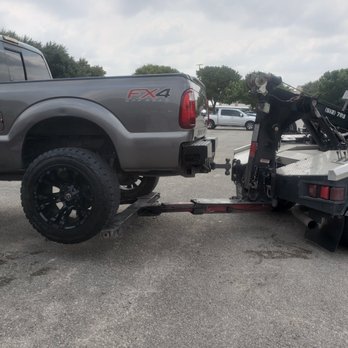
Immediate outcomes when a car is repossessed
When a car is taken, you lose access immediately. Your lender reports the repossession to credit agencies. Late fees, towing, and storage fees start to add up. You may have a short window to redeem the car.
If you wonder What Happens If a Repo Car is Never Picked Up, the immediate outcome is storage and notices. The lender gives a written notice. That notice explains how to redeem or object.
Typical immediate fees and consequences:
- Towing fees charged by the tow company.
- Daily storage fees while the car sits in impound.
- A repossession mark on your credit report.

Legal steps after repossession if nobody picks up the vehicle
If no one redeems the car, lenders must follow legal steps. Rules vary by state, but lenders often must send notices. They may publish an auction date or apply for a sale after a set period.
When asking What Happens If a Repo Car is Never Picked Up, know that the lender will usually sell the car. The sale can be at public auction or private sale. Proceeds go to the loan balance and fees first.
Legal protections might include:
- A consumer right to a written notice of sale.
- A redemption period in some states.
- Limits on how the sale is conducted to ensure fair market value.

Financial fallout: deficiency balances, fees, and credit effects
A key question is how much you might owe. If the car sells for less than your loan balance, you may owe the difference. This is called a deficiency balance. Lenders can pursue that debt through collection or court.
What Happens If a Repo Car is Never Picked Up often leads to a deficiency claim. Expect added towing and storage fees. Your credit score takes a hit and stays lower for years.
Common costs you may face:
- Remaining loan balance after sale.
- Towing and storage fees.
- Auction and administrative fees.
- Collection costs or legal action if you can’t pay.
Timeframes and state law differences you must know
State law controls many details. How long a lender must wait before selling varies. The paperwork and required notices differ too. Check your state rules or speak with an attorney for exact deadlines.
If you search "What Happens If a Repo Car is Never Picked Up," remember timelines vary widely. Some states give days to redeem. Others let lenders sell the car quickly. The time frame affects your chance to recover the vehicle.
Examples of state rules you may encounter:
- Required notice periods before sale.
- Statute of limitations for deficiency claims.
- Rules for advertising and conducting an auction.
What lenders typically do if a repo car sits unclaimed
Lenders aim to limit loss. If the repo car is never picked up, they will store it short term. Then they schedule a sale. They try to get fair market value. If the car has very low value, they may scrap it.
When considering What Happens If a Repo Car is Never Picked Up, note lenders want to recoup costs fast. They will charge storage fees to you until the sale. If the car is damaged, value falls and your deficiency may rise.
Lender actions in practice:
- Obtain title and prepare sale documents.
- Sell at auction or private sale.
- Apply sale proceeds to loan and fees.
- Seek deficiency if sale proceeds are insufficient.
How you can stop the process or reduce harm
You still have options after repossession. Act quickly to avoid losing the car and facing big bills. You can redeem, negotiate, or challenge the repossession.
If you think about What Happens If a Repo Car is Never Picked Up, the best move is to act before the sale. Steps to take:
- Call your lender right away to discuss redemption or reinstatement.
- Pay towing and storage fees to retrieve the car if you can.
- Negotiate a repayment plan or voluntary surrender to reduce fees.
- If the repossession was unlawful, seek legal help quickly.
Personal experience, lessons learned, and practical tips
I once helped a friend whose car was repossessed after three missed payments. They waited and the car sold at auction. The sale did not cover the loan. They then owed a large deficiency. We negotiated a smaller payment plan. The lesson: act fast and talk to the lender.
From my work, here are short tips that help:
- Keep records of all calls and notices.
- Get written confirmation of any agreement.
- Don’t assume the repo company or lender will be lenient.
- Ask for an itemized bill after any sale.
Alternatives and long-term effects on credit and finances
If your car is sold and you pay the deficiency, you still feel the credit hit. Repossession stays on your credit report for up to seven years. That affects loan rates and your ability to buy a car later.
When people ask What Happens If a Repo Car is Never Picked Up, they often overlook long-term impact. Rebuild credit by making on-time payments and using small loans responsibly. Use secured credit or a steady payment history to recover.
Ways to rebuild credit:
- Pay all bills on time.
- Keep credit balances low.
- Consider a secured credit card or credit-builder loan.
Practical checklist: what to do if your car is repossessed
Follow this short list to limit damage. Quick action changes outcomes.
Checklist:
- Contact your lender immediately and ask for options.
- Locate the car and confirm storage fees and location.
- Determine redemption amount and deadline.
- Consider voluntary surrender if you cannot pay; negotiate terms.
- Track all documents and get written statements.
Frequently Asked Questions of What Happens If a Repo Car is Never Picked Up
What happens to the title if a repo car is never picked up?
The lender often takes title or control before sale. After sale, the title changes hands to the buyer. State rules govern how and when this transfer happens.
Can I be sued for the deficiency if the repo car is never picked up?
Yes. If the sale does not cover your loan, the lender can sue for the deficiency. You should get legal advice if faced with a lawsuit.
How long can a lender keep a repo car before selling it?
That depends on state law and lender policy. Some states require several days of notice. Others allow quicker auctions.
Will repossession remove the loan from my credit report?
No. Repossession stays on your credit for up to seven years and damages your credit score. Paying the deficiency does not remove the repossession entry.
Can I negotiate to buy back a repo car before it’s sold?
Yes. You can often redeem or negotiate with the lender. Acting fast and offering payment or a plan helps the most.
Is the repo company liable for damage to my car?
If the repo company damages your car while unlawfully handling it, you may have a claim. Document the condition and seek legal help if needed.
Conclusion
A repo car left unclaimed usually moves from storage to sale. The lender sells the vehicle, applies the proceeds to the loan, and may seek a deficiency. This process hits your wallet and your credit. Act fast. Call the lender, learn your rights, and consider redemption or negotiation to limit losses. If you found this useful, subscribe for updates, ask a question in the comments, or share your story below.