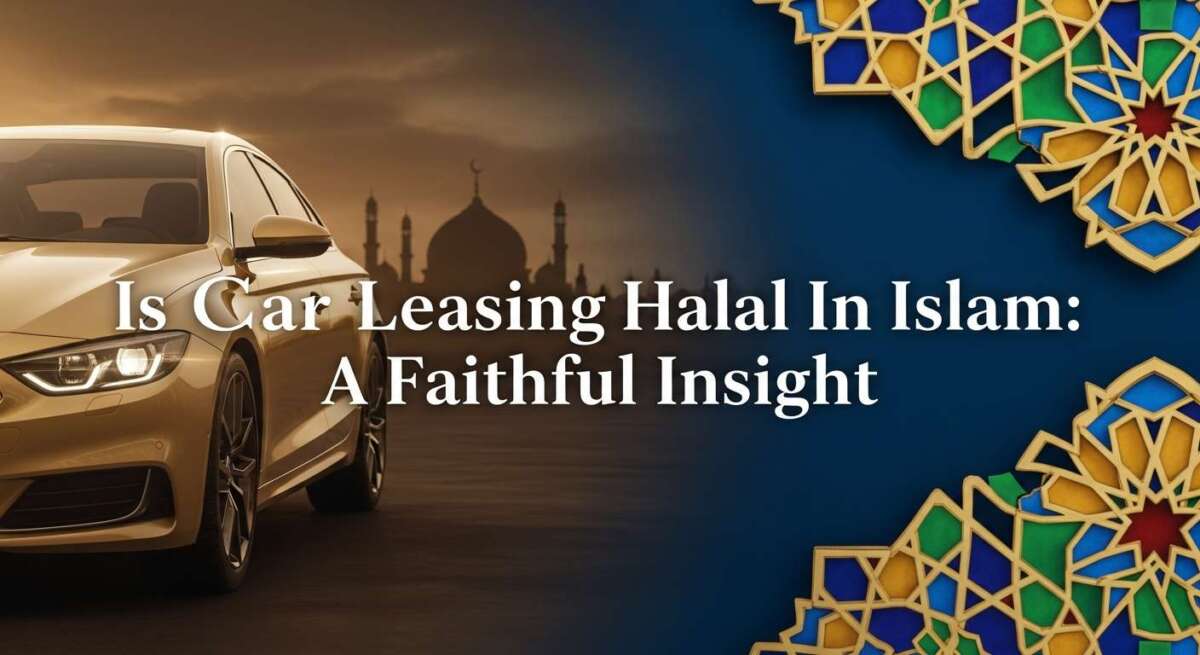
Is Car Leasing Halal in Islam: A Faithful Insight

Have you ever found yourself wondering whether car leasing aligns with your Islamic beliefs? You’re not alone.

Many people face this dilemma when trying to combine modern financial options with religious principles. Car leasing offers convenience and flexibility, but is it truly Halal? This question taps into a deeper conversation about faith and finances that many are eager to explore.

By understanding the nuances of Islamic finance, you can make informed decisions that honor both your faith and your lifestyle. Stick around as we delve into the core of this intriguing topic, offering clarity and insights that can help you navigate this important decision with confidence.

Is Car Leasing Halal in Islam: A Faithful Insight

Credit: www.youtube.com

Islamic Financial Principles

Islamic financial principles guide Muslims in their economic activities. These principles ensure fairness, transparency, and ethical conduct in transactions. They emphasize avoiding any form of exploitation or harm to others. Compliance with these principles is crucial in determining the halal status of financial products, including car leasing.

Islamic finance prohibits interest, known as “riba.” This principle ensures that transactions are fair and equitable. Charging or paying interest is considered exploitative, which conflicts with Islamic values.

Risk Sharing

Islamic finance encourages risk sharing. Parties involved in a transaction share the risks and rewards. This principle promotes fairness and reduces the chance of harm to any party.

Transparency And Honesty

Transparency is vital in Islamic financial transactions. All terms must be clear and agreed upon by all parties. Honesty ensures that no one is misled or cheated during the transaction.

Prohibition Of Uncertainty

Islamic finance avoids transactions with excessive uncertainty or speculation. This principle ensures stability and fairness. Transactions should be based on clear, predictable outcomes.

Ethical Investments

Investments should align with ethical and moral values. Islamic finance avoids investing in industries or products harmful to society. Ethical considerations are central to ensuring halal status.

Asset-backed Financing

Islamic finance supports asset-backed financing. This means transactions are backed by tangible assets. It ensures security and fairness for all parties involved.

Halal And Haram In Financial Transactions

Car leasing in Islam raises questions about its permissibility. Leasing is halal if it follows Islamic principles. Interest-free agreements and transparent terms make car leasing compliant with halal financial transactions.

In Islam, financial transactions are guided by principles that ensure fairness, transparency, and ethical behavior. Understanding what makes a transaction halal (permissible) or haram (forbidden) is crucial, especially when considering options like car leasing. For Muslims seeking to align their financial decisions with their faith, knowing the difference between halal and haram practices can help navigate complex modern financial systems while staying true to their beliefs.

Defining Halal Transactions

Halal transactions are those deemed permissible under Islamic law. They must be free of elements like riba (interest), gharar (excessive uncertainty), and unethical practices. In a halal transaction, fairness is key. Both parties should benefit equally without exploitation. Consider leasing a car. If the terms are clear, interest-free, and fair, then it can be halal. Would you agree that transparency in such agreements ensures both parties feel respected?

Understanding Haram Practices

Haram practices in financial transactions often involve elements that are exploitative or deceptive. Charging interest, a common practice in conventional loans, is considered haram. Imagine a loan with high interest rates. It creates an unfair advantage, burdening the borrower. This is why it’s avoided in Islam. Leasing with hidden fees or unclear terms can also fall into haram territory. Have you ever felt overwhelmed by hidden costs in a contract? It’s essential to scrutinize financial agreements carefully. By doing so, you can avoid haram elements and ensure your decisions are halal.

Car Leasing Basics

Car leasing is becoming a popular option for many drivers. It offers flexibility and affordability, making it an attractive choice. But understanding car leasing can be complex. This section will explain the basics of car leasing. We’ll explore how leasing works and the different types available.

How Leasing Works

Leasing is a way to use a car without buying it. You pay monthly fees to use the car for a set period. Usually, leases last for two to three years. At the end, you return the car or buy it. Leasing involves a down payment and monthly installments. These payments cover depreciation and rental charges. You can drive a new car without the full cost of ownership.

Types Of Car Leasing

There are mainly two types of car leasing: open-end and closed-end. Closed-end leases are more common. You return the car at the end without further obligations. You pay for excess mileage or wear and tear. Open-end leases are less predictable. The lessee may need to pay the difference between the car’s value and the expected resale value. Each type has its own benefits and drawbacks. Choose the one that suits your needs and budget.

Islamic Perspective On Leasing

Leasing a car has become a popular financial option. Many Muslims wonder if this practice aligns with Islamic principles. Understanding the Islamic perspective on leasing involves exploring religious texts and scholarly interpretations. Both offer valuable insights into its acceptability.

Religious Texts And Teachings

Islamic teachings emphasize fair dealings and transparency. The Quran outlines principles for financial transactions. It stresses avoiding riba (interest) and deceit. Leasing must adhere to these guidelines. Contracts should be clear, with no hidden charges. The Prophet Muhammad also emphasized fairness. His teachings encourage honesty in all dealings.

Scholarly Interpretations

Scholars examine leasing through an Islamic lens. They consider the nature of leasing agreements. Some argue that leasing mimics renting, which is permissible. Others focus on the presence of interest. If a lease includes interest, it may be problematic. Scholars recommend seeking leases free from interest. Consulting knowledgeable scholars is advised. They can offer guidance tailored to individual needs.

Common Concerns And Misconceptions

Car leasing involves various financial terms that can create confusion for Muslims. Many wonder if leasing a car aligns with Islamic principles. Concerns arise due to misunderstandings about interest, ownership, and usage. Let’s explore these common concerns and misconceptions.

Interest And Usury

Interest is a significant concern in Islamic finance. Islam prohibits usury, known as “riba.” Riba refers to excessive interest on loans. Many assume car leasing involves riba. This can lead to concerns about its permissibility. In reality, leasing often includes rental agreements. Rental payments are not interest. They are compensation for usage. Understanding this distinction helps clarify misconceptions.

Ownership And Usage Rights

Another concern is ownership. In leasing, you do not own the car. Some believe this contradicts Islamic principles. Islam allows renting or leasing without ownership. Leasing grants usage rights, not ownership. This is permissible as long as conditions are fair and clear. It’s essential to understand the terms before leasing. Ensure the agreement respects Islamic values.

Is Car Leasing Halal in Islam: A Faithful Insight

Credit: www.reddit.com

Benefits And Risks Of Car Leasing

Car leasing offers flexibility and lower monthly payments compared to buying a car. Some scholars view leasing as halal if the contract is fair, with clear terms and no excessive interest. Risks include potential hidden fees and penalties for early termination or exceeding mileage limits.

When it comes to deciding whether car leasing is halal in Islam, understanding the benefits and risks can be crucial. Car leasing offers both advantages and disadvantages that can affect your decision-making process. By weighing these factors, you can make an informed choice that aligns with your beliefs and financial situation.

Advantages For Muslims

Leasing a car can provide financial flexibility. Instead of a large upfront payment, you pay smaller, manageable monthly installments. This can be beneficial if you’re trying to maintain your budget while still needing a reliable vehicle. Leased cars often come with warranty coverage. This means you won’t have to worry about unexpected repair costs. If a breakdown occurs, it’s usually covered, saving you from potential financial strain. Driving a leased car allows you to enjoy the latest models with advanced safety features. You get to experience new technology and improved fuel efficiency without committing long-term. This can be especially appealing if you value staying up-to-date with technological advancements.

Potential Drawbacks

Leasing a car might limit the ability to customize your vehicle. If you enjoy personalizing your car, leasing might not be the right choice. You’re typically required to return the car in its original condition, which can be restrictive. Mileage limitations can be a significant concern. Most lease agreements have a set number of miles you can drive annually. Exceeding this limit can lead to costly penalties, which may catch you by surprise. Consider the long-term financial implications. Leasing may seem affordable monthly, but it doesn’t build equity. Once the lease ends, you have to start over without owning a vehicle. Is the convenience worth the cost over time? These insights highlight the need for careful consideration. Have you weighed the advantages and risks that matter most to you? Making the right choice requires balancing your financial needs with your values and lifestyle.

Comparing Leasing To Buying

Deciding between leasing and buying a car involves various factors. Both options have unique advantages and challenges. For Muslims, understanding whether leasing aligns with Islamic principles is crucial. Let’s explore the financial and religious aspects of car leasing compared to buying.

Financial Considerations

Leasing a car usually requires lower monthly payments. This can make it financially appealing for many. Buyers often face higher monthly payments. They also deal with depreciation costs. Leasing allows access to newer models regularly. This can be beneficial for those who like driving the latest cars. Buying, on the other hand, offers ownership. This provides long-term value, especially after the car loan is paid off.

Religious Implications

Islamic law emphasizes avoiding interest, known as Riba. In leasing, some contracts may include interest components. These can raise concerns about compliance with Islamic principles. Buying a car with an Islamic finance option can avoid interest. Many Muslims consider this a more halal approach. It’s essential to review lease agreements carefully. Understanding the terms helps ensure they align with Islamic values.

Is Car Leasing Halal in Islam: A Faithful Insight

Credit: www.tiktok.com

Guidance From Islamic Scholars

When you consider leasing a car, you might wonder if it’s permissible in Islam. Understanding the religious perspective is crucial for those who wish to adhere to Islamic principles. Guidance from Islamic scholars can shed light on this complex topic, offering insights into whether car leasing aligns with Islamic teachings.

Major Fatwas On Leasing

Islamic scholars have issued various fatwas regarding car leasing. Some scholars argue that leasing is permissible as long as the terms are fair and transparent. They emphasize the importance of avoiding any elements of interest, known as riba, which is strictly prohibited in Islam.

Others, however, raise concerns about the nature of leasing agreements. They worry that some contracts might resemble interest-bearing loans. It’s crucial to examine the specifics of each lease to ensure it aligns with Islamic principles.

Diverse Scholarly Opinions

The diversity of opinions among scholars reflects the complexity of modern financial transactions. Some scholars view leasing as a practical solution for those who need a vehicle but wish to avoid the full financial burden of ownership.

Meanwhile, other scholars suggest that leasing might lead to financial commitments that are not entirely in line with Islamic teachings. They encourage individuals to consider their personal financial situation and the terms of the lease carefully.

Have you ever found yourself puzzled by the terms in a lease agreement? You’re not alone. It’s vital to seek guidance from knowledgeable scholars who can provide clarity on these matters. You can also look into consulting a trusted financial advisor well-versed in Islamic finance.

By engaging with the opinions of respected scholars, you can make an informed decision that respects your faith and meets your practical needs. Consider the guidance available, and think about how it applies to your unique situation.

Making An Informed Decision

Making an informed decision about car leasing in Islam requires balancing your faith with practical needs. As you navigate the complexities of modern financial agreements, you might wonder how leasing fits within Islamic principles. It’s important to consider both religious guidelines and your personal circumstances before making a choice.

Balancing Faith And Practicality

Leasing a car can offer practical benefits like lower monthly payments and access to newer models. However, you need to weigh these advantages against the teachings of Islam. Consider how leasing aligns with your values and lifestyle. Can you justify the financial commitment while staying true to your faith?

Think about your daily needs. If leasing allows you to meet those needs without compromising your beliefs, it might be a sensible choice. Reflect on how this decision impacts your spiritual journey. Does it foster peace and harmony, or does it create inner conflict?

Consulting Religious Authorities

Reach out to trusted religious authorities for guidance. They can provide insights into whether car leasing complies with Islamic principles. A conversation with a knowledgeable scholar can clarify any doubts you have.

Remember, scholars have diverse opinions. It’s crucial to find someone whose views resonate with your understanding of Islam. You might gain new perspectives that challenge your assumptions.

Consider asking questions that directly relate to your situation. How does leasing affect your financial obligations in the context of Islamic law? What are the ethical considerations you should be aware of?

Decisions like car leasing require careful thought and consultation. Are you fully equipped to make a choice that respects both your faith and practical needs? By seeking knowledge and weighing your options, you can ensure that your decision aligns with your values and circumstances.

Frequently Asked Questions

Can You Lease A Car In Islam?

Leasing a car is generally permissible in Islam if it adheres to Shariah principles. Ensure the contract avoids interest and any prohibited elements. Always consult a knowledgeable Islamic scholar for specific guidance on leasing agreements.

Is Car Rental Halal?

Car rental is generally halal if used for permissible activities. Renting a car for haram activities makes it impermissible. Always ensure the rental agreement aligns with Islamic principles.

Is Lease To Own Haram?

Lease to own can be haram if it involves interest or uncertainty. Islamic finance prohibits riba and gharar. It’s crucial to consult an Islamic scholar to ensure compliance with Sharia principles. Always review contract terms to avoid haram elements in lease-to-own agreements.

Does Leasing A Vehicle Count As Owning?

Leasing a vehicle does not count as owning it. Leasing means you pay to use the car temporarily. Ownership involves having legal title and long-term control of the vehicle. While leasing offers lower monthly payments, ownership provides more freedom and equity.

Always consider your needs before deciding.

Conclusion

Car leasing in Islam involves understanding complex religious principles. Scholars offer diverse views on its permissibility. Some see leasing as compatible with Islamic ethics. Others suggest caution due to interest concerns. It’s important to consult knowledgeable religious authorities. This helps ensure compliance with Islamic teachings.

Each decision should respect personal faith and understanding. Leasing can be a viable option when aligned with Islamic values. Always prioritize informed choices and spiritual guidance. This approach ensures peace of mind and religious integrity.

Similar Posts