How To Wash A Car Without Scratching The Paint: Pro Tips
Use the two-bucket method, soft microfiber mitts, and gentle car soap to avoid paint scratches.
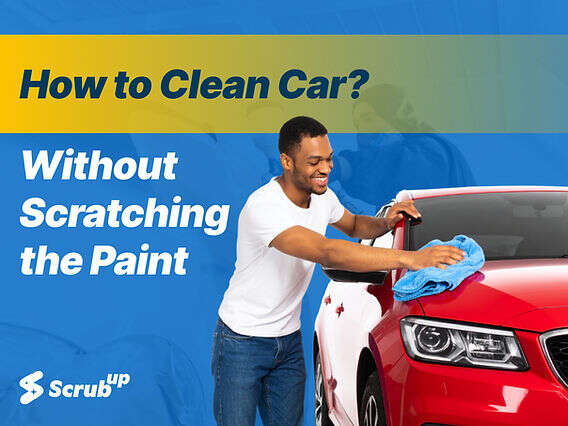
How to wash a car without scratching the paint is simple when you use the right tools, the right steps, and a bit of care. I’ve washed hundreds of cars as a detailer and car owner. In this guide I share tested methods, clear steps, and the tricks I learned the hard way so you can clean your car safely and keep the paint looking new.
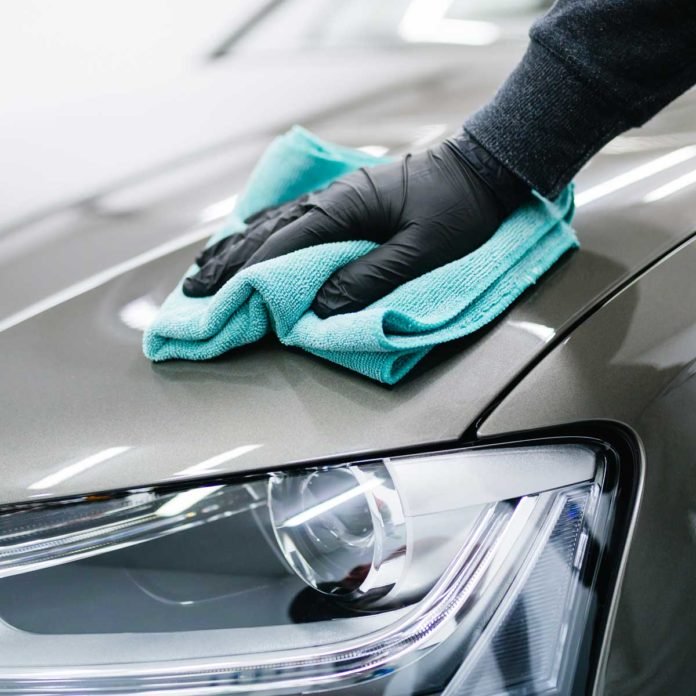
Why paint gets scratched (and how to wash a car without scratching the paint)
Scratches happen when hard particles rub across clear coat. Dirt, sand, and grit act like sandpaper when you scrub them into paint. Washing the wrong way pushes that grit around and leaves fine swirl marks.
Knowing how to wash a car without scratching the paint starts with understanding the enemy: loose contaminants. When you rinse, lift, and remove grit first, you avoid dragging it across the surface. Treat the clear coat gently and you’ll save time and money on corrections and polishing.

What you need to wash a car without scratching the paint
Use quality tools. Cheap sponges and household soaps cause scratches and strip wax. Gather the right items before you start.
- Two 5-gallon buckets, one for rinse and one for wash.
- A grit guard for each bucket to trap dirt.
- pH-balanced car wash soap, not dish detergent.
- A large, plush microfiber wash mitt or lambswool mitt.
- Microfiber drying towels or a soft blower.
- Wheel brush and separate wash mitt for wheels.
- Spray detailer or quick wax for spot protection.
These items make it easy to wash a car without scratching the paint. Investing once in good tools prevents repeated paint damage and saves money on paint correction later.

Step-by-step: How to wash a car without scratching the paint
Follow a simple order. Work from top to bottom and keep soap and water flowing to avoid dry friction.
- Rinse the car thoroughly with low-pressure water to remove loose dirt.
- Clean wheels and tires first with separate tools and soap to avoid cross-contamination.
- Fill one bucket with clean soapy water and one with clean rinse water. Place grit guards at the bottom.
- Soak your microfiber mitt in the soap bucket, wash one panel at a time using straight-line strokes.
- After each panel, rinse the mitt in the rinse bucket and scrub on the grit guard before reloading soap.
- Rinse each panel after washing to keep soap and loosened grit from drying on paint.
- Dry with clean microfiber towels or use a blower to avoid towel drag. Pat and lightly drag with a plush towel.
Repeat this routine to keep the paint safe. The two-bucket system is central to learning how to wash a car without scratching the paint because it removes grit from the mitt before it touches the paint again.

Dealing with stubborn contaminants without scratching paint
Some marks need special care. You can remove them safely if you use the right products and methods.
- Bird droppings and tree sap: Soften with a gentle solvent or water-based tar remover, then lift—do not scrub.
- Stuck-on tar and road grime: Use a clay bar or synthetic clay mitt with lubricant to glide over the paint and remove contaminants.
- Heavy mud: Rinse while wet, then use a foam cannon or foam lance to pre-soak before touching.
When you treat tough spots correctly, you keep the clear coat intact. I once ruined a hood by force-scrubbing sap; since then I always pre-soften stubborn spots first.

Caring for your wash tools so they don’t scratch paint
Dirty tools transfer grit back onto the car. Clean and store tools after every use to avoid that.
- Rinse and hang dry mitts and towels to stop mildew.
- Wash microfiber towels separately from coarse fabrics to avoid picking up rough fibers.
- Replace mitts that have hard bits embedded or show wear.
- Clean grit guards after each wash and let buckets dry.
Tool care is part of how to wash a car without scratching the paint. Well-kept tools are safer and last longer.
Common mistakes to avoid when you wash a car without scratching the paint
Avoid these habits that cause the most damage. They are common and easy to fix.
- Using dish soap or household cleaners instead of car soap—this strips protection and makes paint vulnerable.
- Washing in direct sun—soap dries and drags grit across the paint.
- Skipping the rinse and grit-guard step—this lets dirt stay on your mitt.
- Using circular motions with a coarse towel—this creates swirl marks.
- Cleaning wheels last with the same mitt you used on the paint—wheels carry heavy grit.
I learned these the hard way. After a few costly mistakes, I switched to a careful routine and saw immediate improvement in paint condition.
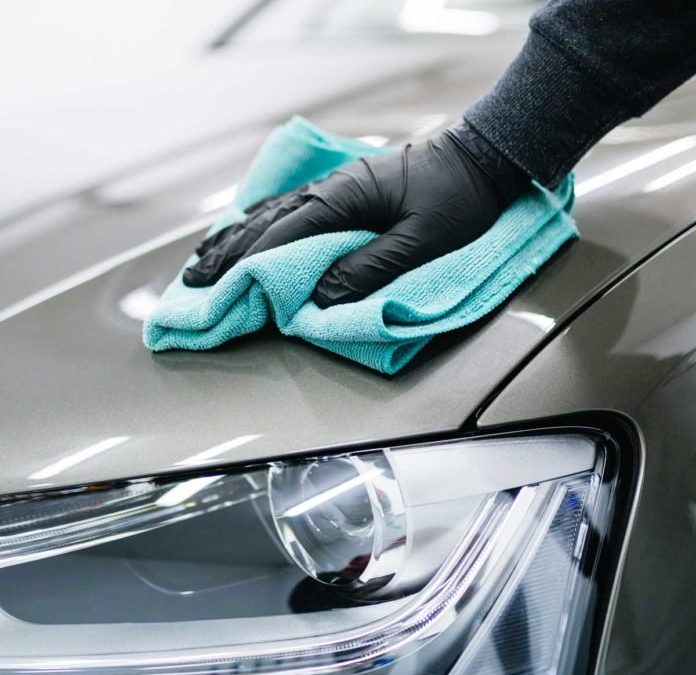
Extra protection tips after washing
A clean car is the best start for protection. Add a layer that repels dirt and eases future washes.
- Apply a spray sealant or wax after the car is dry to add a sacrificial layer.
- Use paint sealant or ceramic coating for longer-term protection if you want fewer washes.
- Touch up chips and deep scratches promptly to stop rust and further damage.
Adding protection makes future washes gentler and lowers the risk of scratching. This helps keep the car looking new longer.
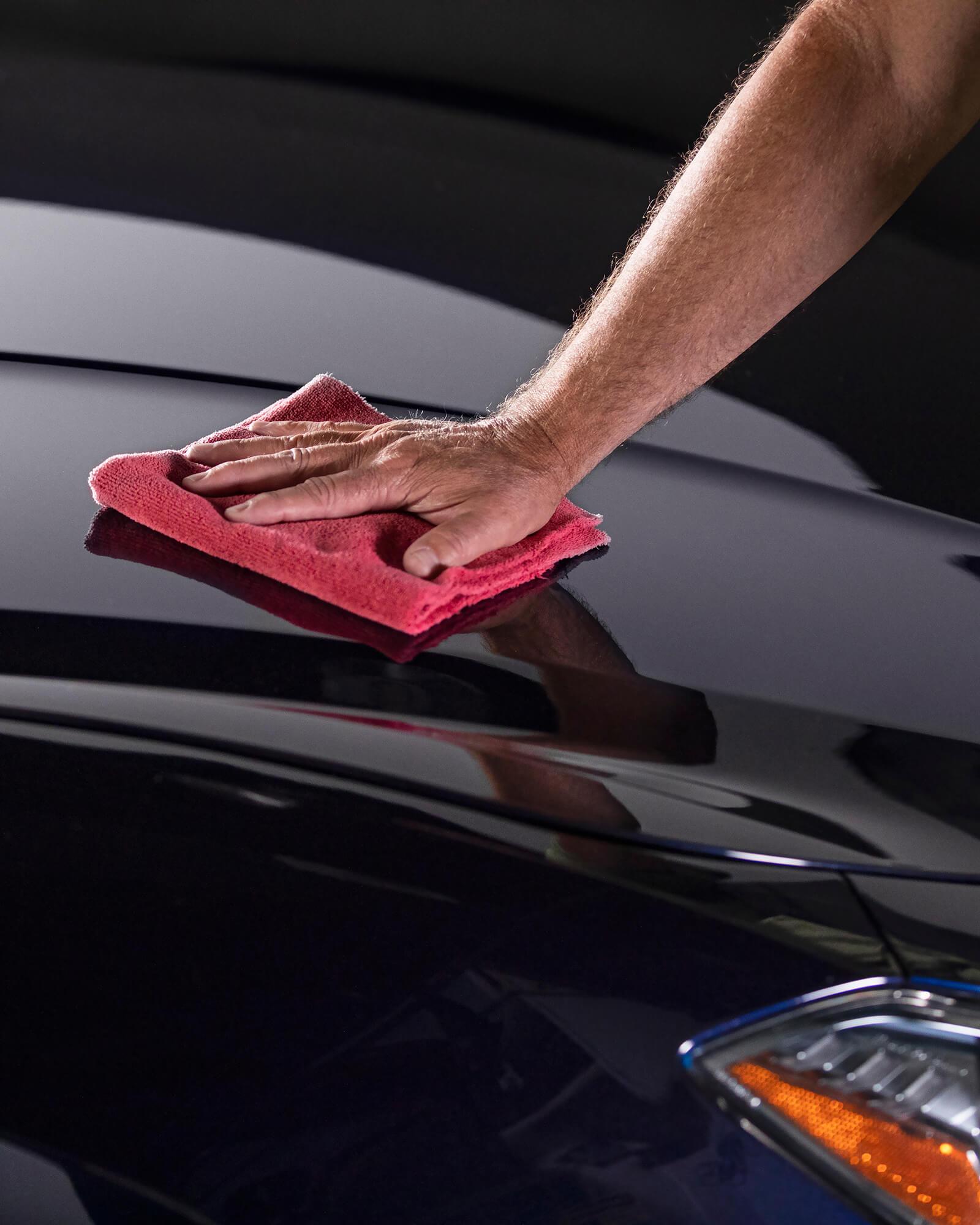
Personal experience and common lessons
Early in my detailing work, I treated all cars the same. I learned to change technique by paint type and condition. Thin clear coats need softer mitts and less pressure. New cars respond well to gentle rinsing and weekly light washes. Older cars with oxidation benefit from less frequent but more careful cleansing and regular waxing.
One clear lesson: slow, patient moves beat fast, rough scrubbing every time. That habit kept my customers happy and their paint intact.

Frequently Asked Questions of How to wash a car without scratching the paint
How often should I wash my car to avoid scratches?
Wash your car every two weeks or sooner if it’s very dirty. Frequent, gentle washes remove contaminants before they can degrade the paint.
Can I use a pressure washer without scratching the paint?
Yes, when used at the right distance and pressure, a pressure washer helps rinse without touching the paint. Avoid narrow-angle nozzles too close to the surface to prevent damage.
Is a foam cannon necessary to wash a car without scratching the paint?
A foam cannon is not necessary but helpful. It loosens dirt and reduces the need for hard scrubbing, lowering the risk of scratches.
Should I dry my car with a towel or air blower?
Both work when used correctly. Microfiber towels are good if you pat and gently drag; a blower removes water without contact and reduces scratching risk.
Can I use household sponges safely on paint?
No, household sponges often trap grit and scratch paint. Use a plush microfiber or lambswool mitt designed for cars.
What is the best way to handle bird droppings?
Soften droppings with a damp microfiber and a gentle cleaner, then lift them. Scraping or aggressive rubbing will increase the chance of scratches.
Does washing in the shade really reduce scratches?
Yes, shade prevents soap from drying quickly and reduces the need for fast wiping, which can drag grit and cause scratches.
Conclusion
Mastering how to wash a car without scratching the paint is about using the right tools, following a careful routine, and treating the paint with respect. Rinse first, use the two-bucket method, choose soft microfiber mitts, and protect the paint afterward. Start slow and build the habit—your car will thank you with a longer-lasting finish and fewer costly corrections. Try these steps on your next wash, share your results, or ask a question below to keep learning.