How To Remove Tar From Car Paint Safely: Easy Steps
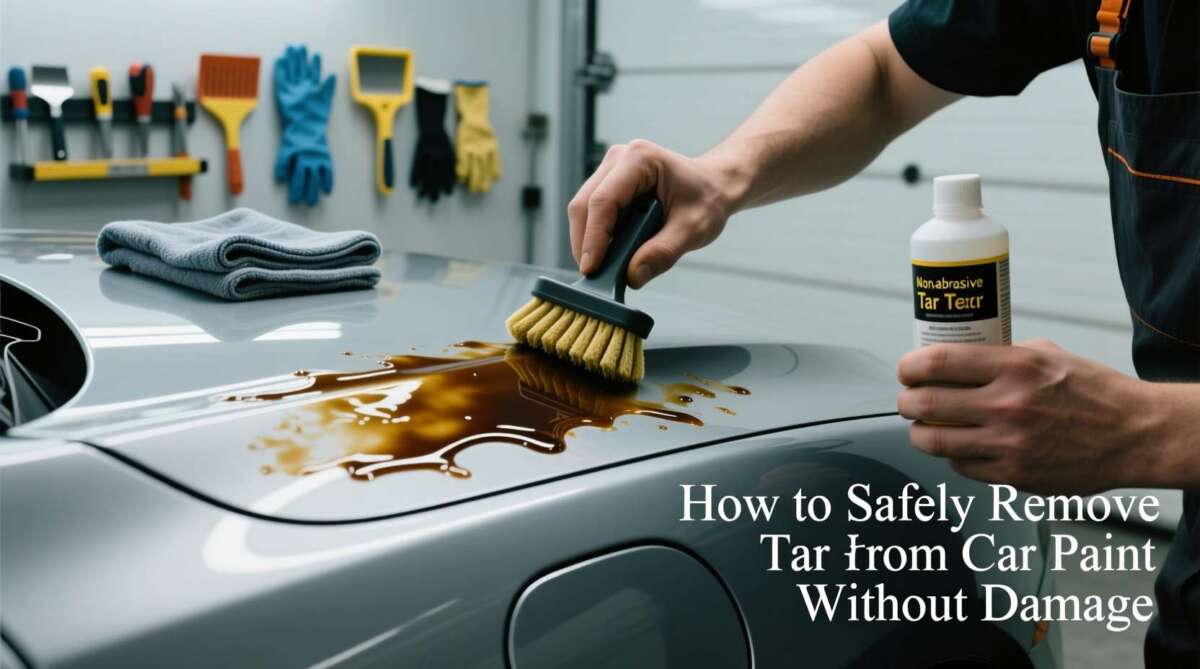
Use a gentle tar remover, clay bar, and soft microfiber towels—work slowly to protect paint.
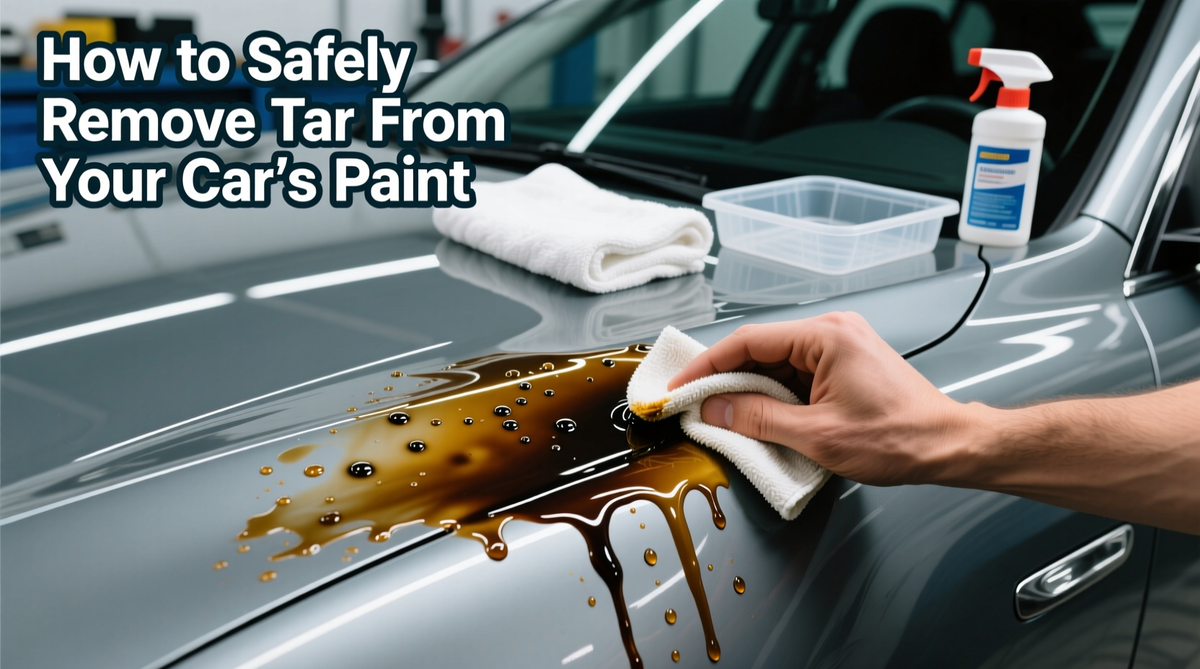
I’ve spent years detailing cars and fixing paint mishaps, so I know tar spots can ruin a clean finish fast. This guide on How to remove tar from car paint safely walks you through why tar sticks, what to use, step-by-step safe methods, common mistakes, and aftercare. Read on and you’ll learn reliable, paint-safe ways to lift tar without scratching or stripping wax.

Why tar sticks to car paint and why it matters
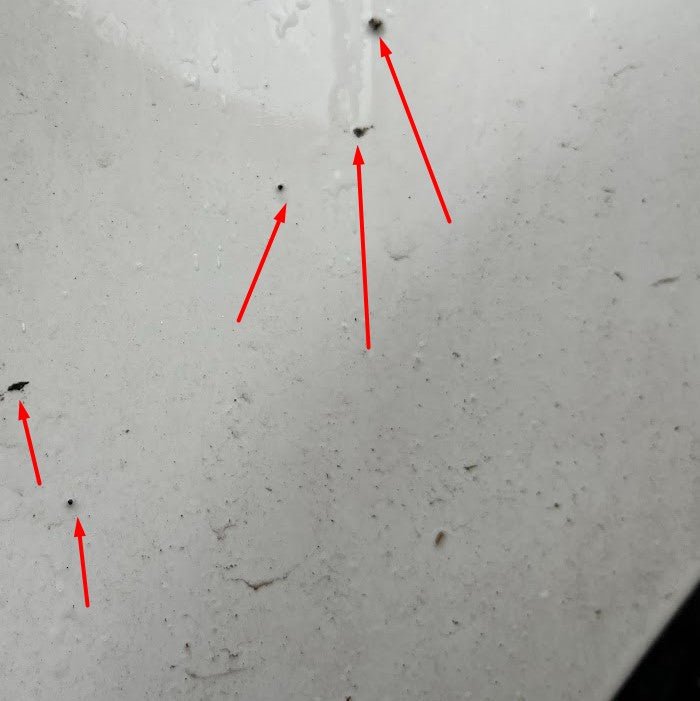
Tar is a sticky, petroleum-based residue from roads, driveways, and construction. It cools and hardens fast, bonding to clearcoat pores and road grime. Left alone, tar can trap contaminants and make paint dull. Aggressive removal can gouge clearcoat or remove wax and sealant, so knowing how to remove tar from car paint safely is key to keeping your finish intact.
What you need: tools and safe products
Use simple tools and the right products to avoid damage.
- Microfiber towels for gentle wiping.
- Citrus-based or commercial tar remover formulated for automotive paint.
- Detailing clay or a clay bar kit with lubricant.
- Soft plastic scraper or old credit card for thick spots.
- Bucket, car wash soap, and a hose with low-pressure spray.
- Rubber gloves and eye protection if using stronger solvents.
I always keep a clay bar and a paint-safe tar remover in my kit. Good gear cuts time and risk when you want to remove tar from car paint safely.
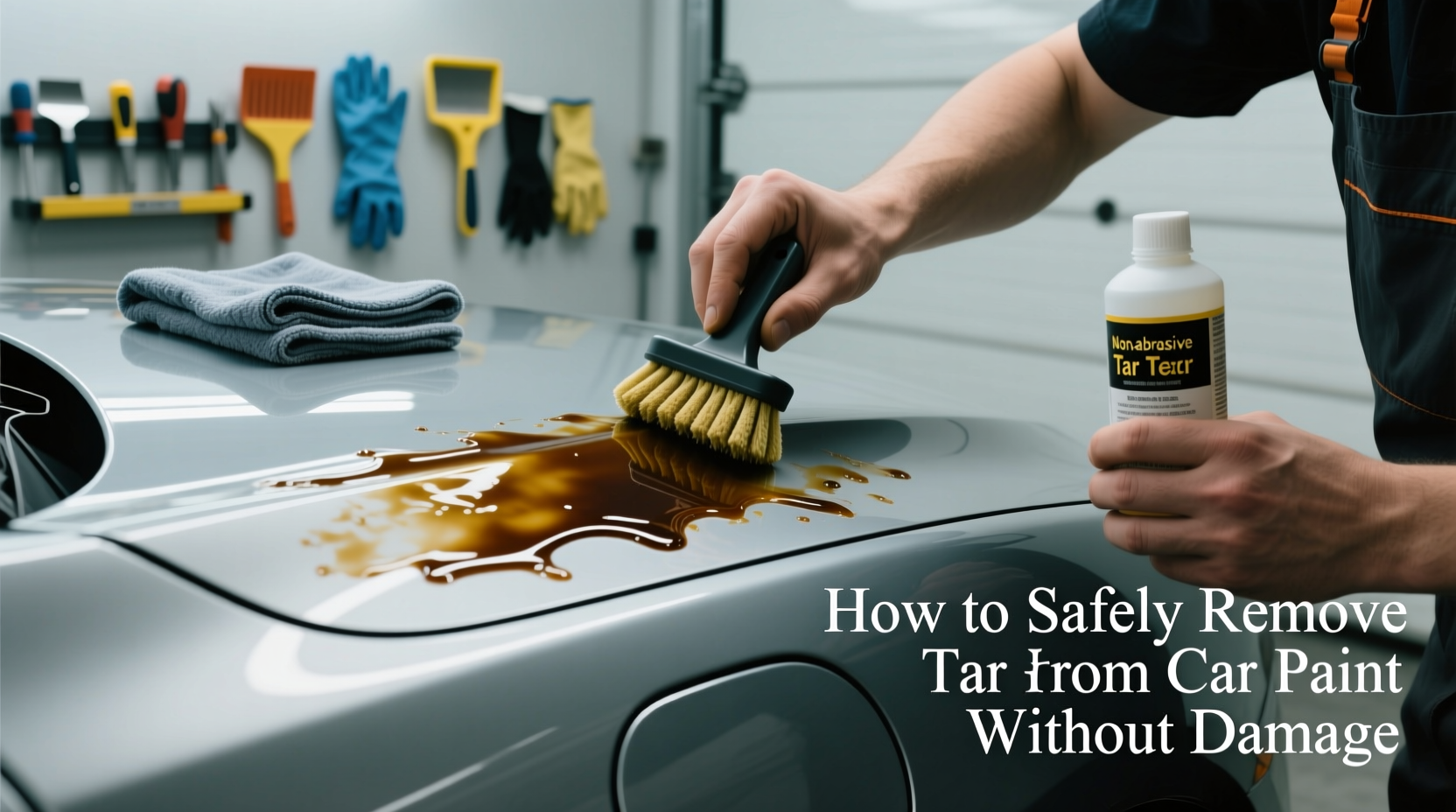
Step-by-step: safe method to remove tar from car paint
Follow this order to minimize risk.
- Wash the car first to remove loose dirt. Use mild car soap and rinse well. Clean surfaces help you see tar spots and prevent rubbing grit into paint.
- Work in shade and on cool panels. Direct sun makes products dry too fast and can harm clearcoat.
- Test a small area. Apply the tar remover to a tiny hidden spot and wait 30–60 seconds. Check for softening without paint dulling.
- Apply tar remover to the tar spot. Let it sit briefly per product instructions. Most modern tar removers act in 30–60 seconds.
- Gently wipe with a microfiber towel. Rub slowly across the tar, not back and forth aggressively. The tar should lift. Repeat for stubborn spots.
- For embedded bits, use a clay bar and lubricant. Glide the clay gently until the surface feels smooth.
- Rinse and wash the treated area again. Remove any residue from product or clay lubricant.
- Reapply wax or sealant to restore protection. Removing tar strips protective layers, so a quick wax keeps paint safe.
I once left a tar spot untreated for months and had to use clay plus two applications of tar remover. It took more time but no paint damage because I stayed patient. That’s how to remove tar from car paint safely—slow and steady.

Quick PAA-style questions
Can I use WD-40 to remove tar?
WD-40 can loosen tar but is not formulated for paint and can remove wax. If you use it, wash and wax the area afterward.
Will rubbing alcohol remove tar?
Light isopropyl alcohol can help small spots, but test first. Strong solvents can dry or dull clearcoat if overused.
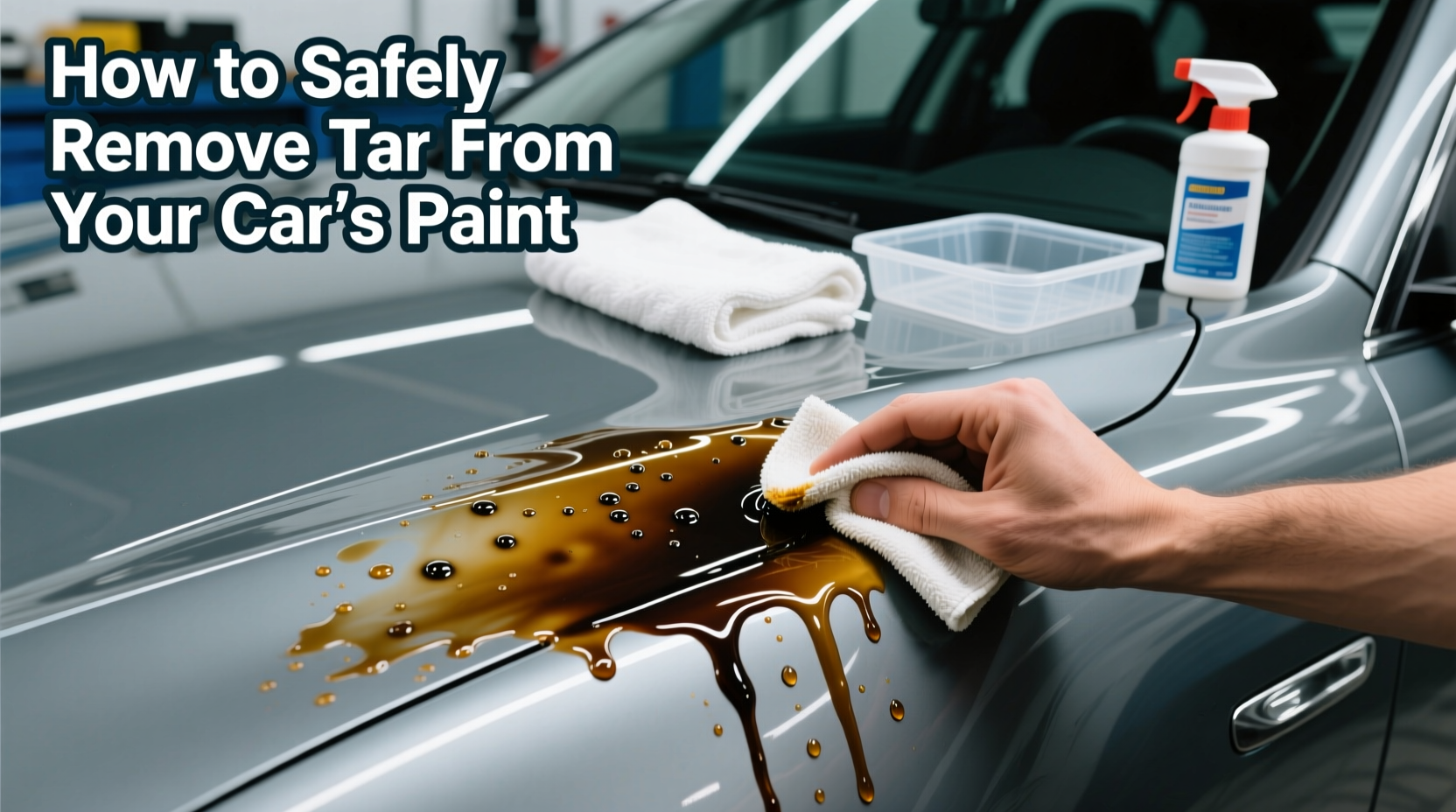
Alternative methods and household options — pros and cons
Some household items work in a pinch, but they carry risks.
- Vegetable oil or peanut butter can soften tar for light removal. They’re mild but messy and need thorough washing after.
- Petroleum jelly can loosen tar over hours. It’s gentle but slow and may leave oily film.
- Hand sanitizer contains alcohol and can work on tiny spots. Use sparingly and rinse quickly.
- Acetone, nail polish remover, or paint thinners remove tar fast but can strip clearcoat and paint. Avoid unless you’re a pro and know the risks.
I used cooking oil once on a neighbor’s bumper when no tar remover was at hand. It worked for a small patch. But I always recommend a proper citrus-based tar remover to remove tar from car paint safely without side effects.
Preventing tar and aftercare to protect paint
Prevention saves time and paint work later.
- Wash the car regularly, especially after construction zones or long trips.
- Apply wax or paint sealant every 2–3 months to make tar less likely to stick.
- Consider a ceramic coating for long-term resistance to road contaminants.
- Park away from freshly paved roads and drive slowly near construction.
A quick wax after tar removal restores the barrier and helps future tar removal be easier. Prevention is part of how to remove tar from car paint safely by reducing future work.
Common mistakes to avoid
Avoid these errors to protect your finish.
- Scraping with metal tools. Metal can instantly scratch or chip clearcoat.
- Using harsh solvents without testing. They can dull or remove clearcoat.
- Rubbing grit into the paint. Always wash first to remove abrasive particles.
- Skipping wax after removal. You must restore protection after any solvent use.
- Rushing on hot panels. High heat can make chemicals act unpredictably.
From my experience, rushing causes most damage. Take time and you’ll learn how to remove tar from car paint safely without regret.

Troubleshooting and when to see a pro
If tar won’t budge or paint looks cloudy after treatment, stop. Cloudiness may mean the clearcoat was affected. Deep or aged tar that’s embedded might need professional clay bar work or machine polishing. Always consult a pro if you suspect paint damage or if DIY methods don’t work after two careful attempts.
Frequently Asked Questions of How to remove tar from car paint safely
How long should I let tar remover sit on the paint?
Most tar removers need 30–60 seconds. Follow product instructions and never let strong solvents dry on paint.
Can I use a clay bar on any paint?
Yes, clay bars are safe on factory and aftermarket paint when used with a proper lubricant and gentle pressure.
Will tar damage my clearcoat if I leave it?
Left long enough, tar can trap dirt and accelerate clearcoat wear, but it usually won’t eat through paint quickly. Remove it promptly.
Is it safe to use household solvents like acetone?
No, acetone and similar strong solvents risk removing clearcoat and paint. Use automotive-safe products instead.
How often should I wax after removing tar?
Wax the treated spot as soon as it’s clean and dry. Regular waxing every 2–3 months helps prevent tar buildup.
What if tar leaves a stain after removal?
If a stain remains, a professional detailer can assess polishing or paint correction. Don’t over-sand or polish without experience.
Conclusion
Removing tar need not be risky when you know the safe steps. Use a paint-safe tar remover, clay bar, and gentle tools. Test first, work slowly, and restore protection with wax or sealant. Take these steps to protect your finish and avoid costly repairs. Try the methods here next time you find tar on your car, and share your results or questions in the comments so others can learn from your experience.