How To Remove Scratches From Car Plastic Interior: Tips
Light scratches: polish with a plastic cleaner; deep gouges need sanding, filler, and repainting.
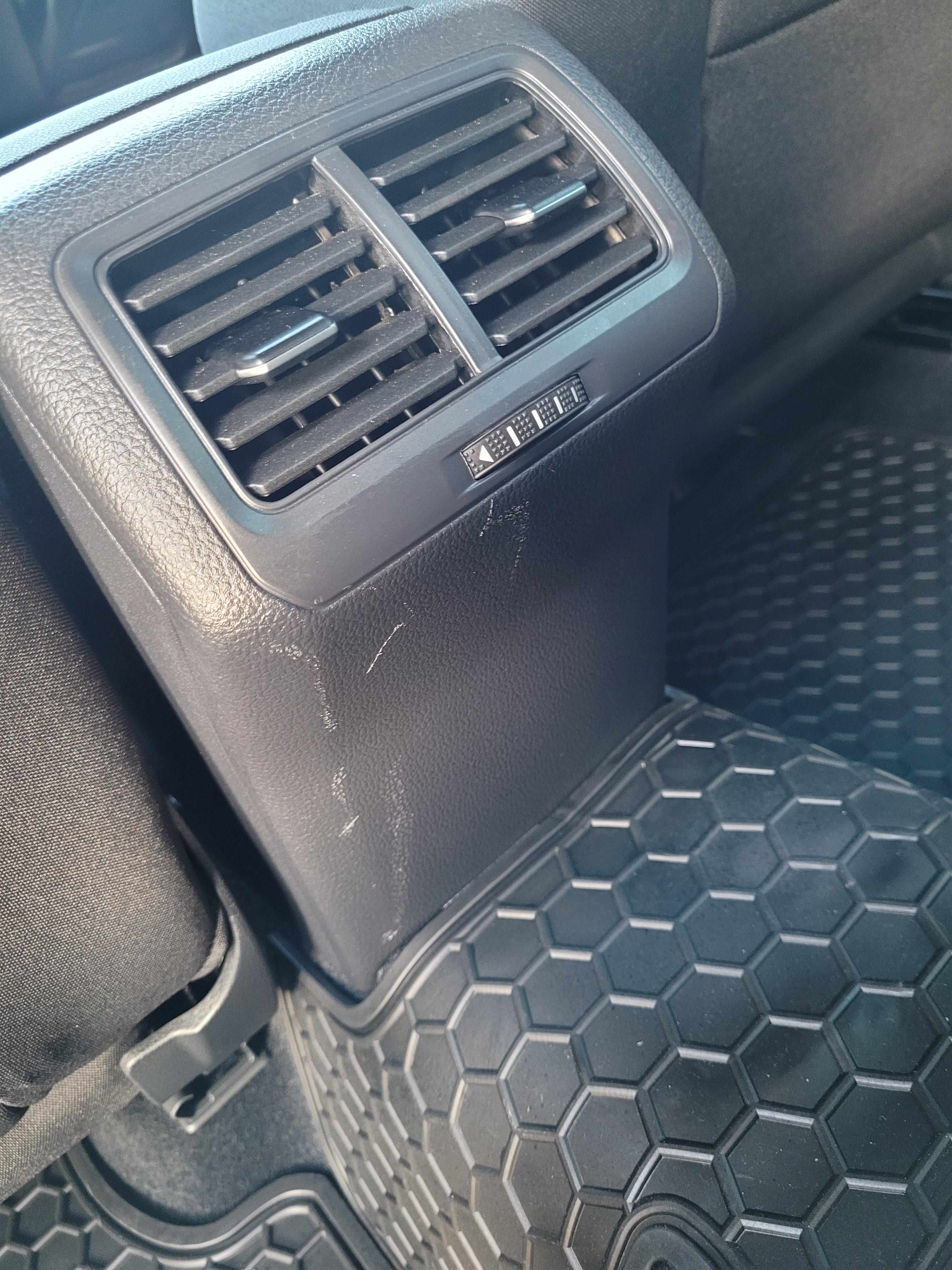
I have repaired dozens of dashboards, door panels, and trim pieces over years in repair shops and at home. This guide shows how to remove scratches from car plastic interior with clear steps, the right tools, and real tips that save time and money. I explain which scratches you can fix at home, which need a pro, and how to avoid common mistakes. Read on for a clear, practical plan to restore your plastic trim and keep it looking new.

Why scratches happen to car plastic interiors
Scratches form from everyday contact. Keys, bags, zippers, pets, and tools all nick plastic surfaces. Sun and heat make plastic brittle, which makes scratches worse. Improper cleaning with rough cloths or harsh chemicals also creates micro-scratches. Knowing the cause helps you pick the right fix for how to remove scratches from car plastic interior.
Types of plastic and how they react to scratches
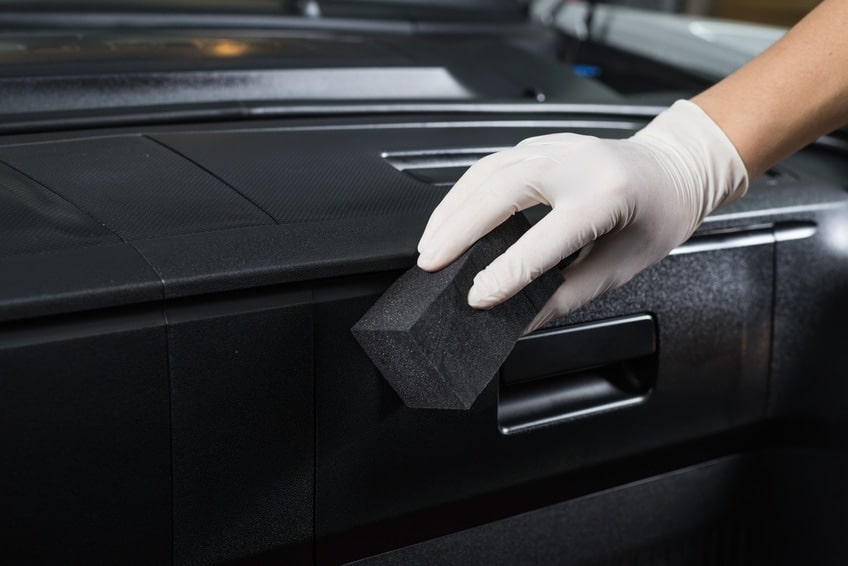
Different trims use different plastics. Common types are ABS, polypropylene, and PVC blends. Textured plastic hides scratches better than smooth plastic. Soft-touch plastics can melt with heat-based fixes. Always test a small hidden spot before any repair. Match the method to the plastic to avoid damage when you remove scratches from car plastic interior.
Tools and materials you'll need
Gather the right gear before you start. A proper kit keeps work quick and safe.
- Microfiber cloths for gentle cleaning and buffing.
- Plastic polish or dedicated scratch remover for light marks.
- Fine grit sandpaper (800, 1000, 1500, 2000) for deeper work.
- Plastic filler or epoxy putty for gouges.
- Matching trim paint, dye, or marker for color touch-up.
- Rubbing alcohol or isopropyl alcohol to clean the area.
- Heat gun or hair dryer for minor reshaping (use low heat).
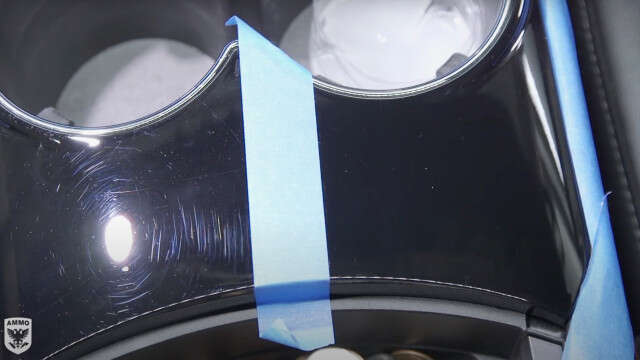
- Masking tape to protect surrounding areas.
I always keep a small kit in my trunk with these items. It saves a trip to the shop when dealing with small blemishes on how to remove scratches from car plastic interior.

Step-by-step: Fix light surface scratches (polishing method)
Light scratches are the easiest to fix at home. Follow these steps.
- Clean the area
- Wipe with isopropyl alcohol and a microfiber cloth. Remove dirt and oils.
- Apply plastic polish
- Put a small amount on a clean cloth. Work the polish into the scratch with firm, circular motion.
- Buff and repeat
- Buff for 30–60 seconds. Check the result and repeat up to three times.
- Final clean
- Wipe away residue and apply a UV-protectant dressing if desired.
This method restores many surface scratches. It works best on smooth plastics and when you want a quick, low-risk fix for how to remove scratches from car plastic interior.
- Wipe away residue and apply a UV-protectant dressing if desired.
Step-by-step: Repair deep scratches and gouges (sanding, filler, paint)
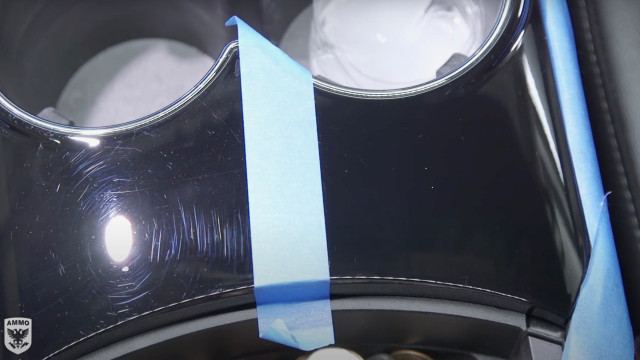
Deep scratches need more care but are still doable at home. Follow these steps for a durable repair.
- Clean and sand the area
- Clean with alcohol. Sand around the scratch with 800 grit to remove rough edges. Use finer grits to blend the area.
- Fill the gouge
- Apply a small amount of plastic filler or two-part epoxy putty. Smooth it with a plastic spreader. Let it cure fully.
- Sand smooth
- Sand the filled area starting at 1000 grit, then 1500, then 2000 to match the surrounding surface.
- Color and match
- Use a trim dye, paint pen, or matched aerosol paint for the finish. Apply thin layers and allow drying time between coats.
- Protect the repair
- Add a light coat of clear trim coat or protectant. Let everything cure per product directions.
I once repaired a sun-faded glove box with this method. The key lessons: use thin filler layers and test the paint match on a scrap piece first. This approach reliably shows how to remove scratches from car plastic interior when simple polishing does not suffice.
- Add a light coat of clear trim coat or protectant. Let everything cure per product directions.

Quick fixes and professional options
Sometimes time or tools are limited. Here are fast options and when to call a pro.
- Quick fix: Use a heat gun on low to soften and slightly reshape plastic surface for shallow dents. Be cautious to avoid melting.
- Trim pens: Use a color-matched plastic marker for small visual fixes.
- Professional repair: Choose a shop if the scratch runs across textured patterns, airbags, instrument clusters, or if color match is critical.
- Replacement: If a trimmed panel is cracked or structurally damaged, replacement may be best.
I recommend trying a quick fix for small marks. For complex or high-value interiors, a pro will get a better, longer-lasting result when aiming to remove scratches from car plastic interior.
Prevention and long-term maintenance
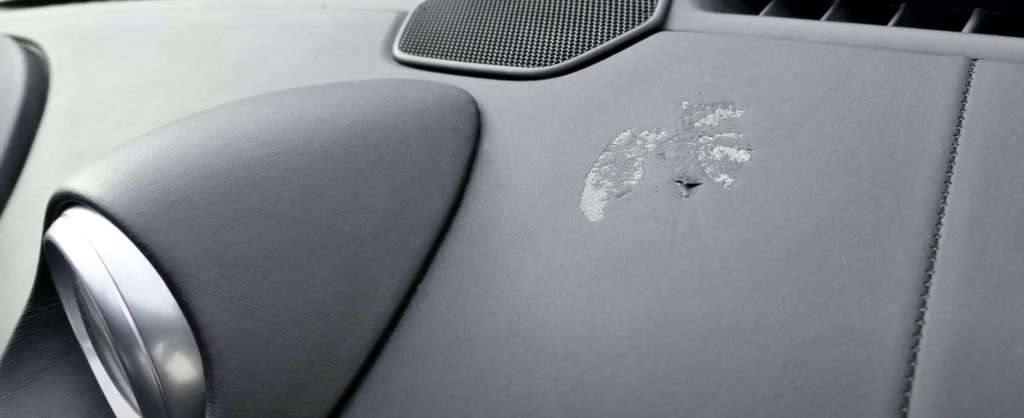
Stop scratches before they start and keep repairs lasting.
- Clean gently: Use microfiber and mild cleaners. Avoid abrasive pads.
- Use protectants: UV protectants prevent fading and brittleness.
- Add barriers: Seat-back protectors and organizers reduce contact.
- Store items safely: Use a tray or pocket for keys and tools.
- Regular checks: Fix small scratches quickly before they worsen.
My routine includes a monthly wipe and protectant. Small habits prevent many repairs and make removing scratches from car plastic interior far less common.
People also ask
What is the best product to remove scratches from car plastic interior?
- A plastic-specific polish or scratch remover is best for light marks. For deep gouges, use plastic filler followed by trim paint.
Can scratches on textured plastic be fixed?
- Textured plastic is harder to match. You can reduce visibility with filler and careful sanding, but perfect restoration often needs professional techniques.
Will heat remove scratches from plastic trim?
- Low heat can help reshape small dents and make scratches less visible. Use caution to avoid warping or melting the plastic.
How long does a repair last?
- A proper fix with filler, sanding, and paint can last for years. Longevity depends on use, sunlight, and care.
Is sanding safe on all interior plastics?
- Sanding is safe on many plastics but avoid it on soft-touch or very thin parts. Test an inconspicuous spot first.
Frequently Asked Questions of How to remove scratches from car plastic interior
What is the quickest way to remove small scratches from plastic trim?
Use a plastic polish and microfiber cloth with circular motions. Repeat until the scratch fades and finish with a protectant.
Can baking soda remove scratches from car plastic?
Baking soda can act as a mild abrasive but can leave haze. Use a dedicated plastic polish for safer, better results.
Should I use automotive paint for deep plastic scratches?
Use paint formulated for plastic or a trim dye. Regular automotive paint may not adhere well to plastic without primer.
How do I match the color of my plastic interior?
Test paint or dye on a hidden area. Use thin layers and compare after full drying for the best match.
Can I fix scratches on the steering wheel or airbags?
No. Avoid DIY repair on steering wheel airbags or components that affect safety. Seek professional service.
Conclusion
You can fix most scratches on car plastic interior with the right method and care. Start with cleaning and polishing for light marks. Use sanding, filler, and matched paint for deeper damage. Prevent new scratches with gentle cleaning and simple guards. Try a small DIY repair, and call a pro for complex or safety-related parts. Share your results, ask questions, or subscribe for more car-care tips—your interior will thank you.