How To Remove Rust Spots From Car Body Panels: Quick Fix
Fix small rust spots fast: sand to bare metal, neutralize, prime, then paint and seal.
I’ve worked on cars for years and I know how annoying rust spots on body panels can be. This guide explains how to remove rust spots from car body panels with clear steps you can follow at home or use to talk with a pro. I combine hands-on experience with industry best practices so you can stop rust early, fix it right, and avoid costly repairs later. Read on to learn tools, step-by-step methods, safety tips, and when to call a body shop.
Why rust forms on car body panels
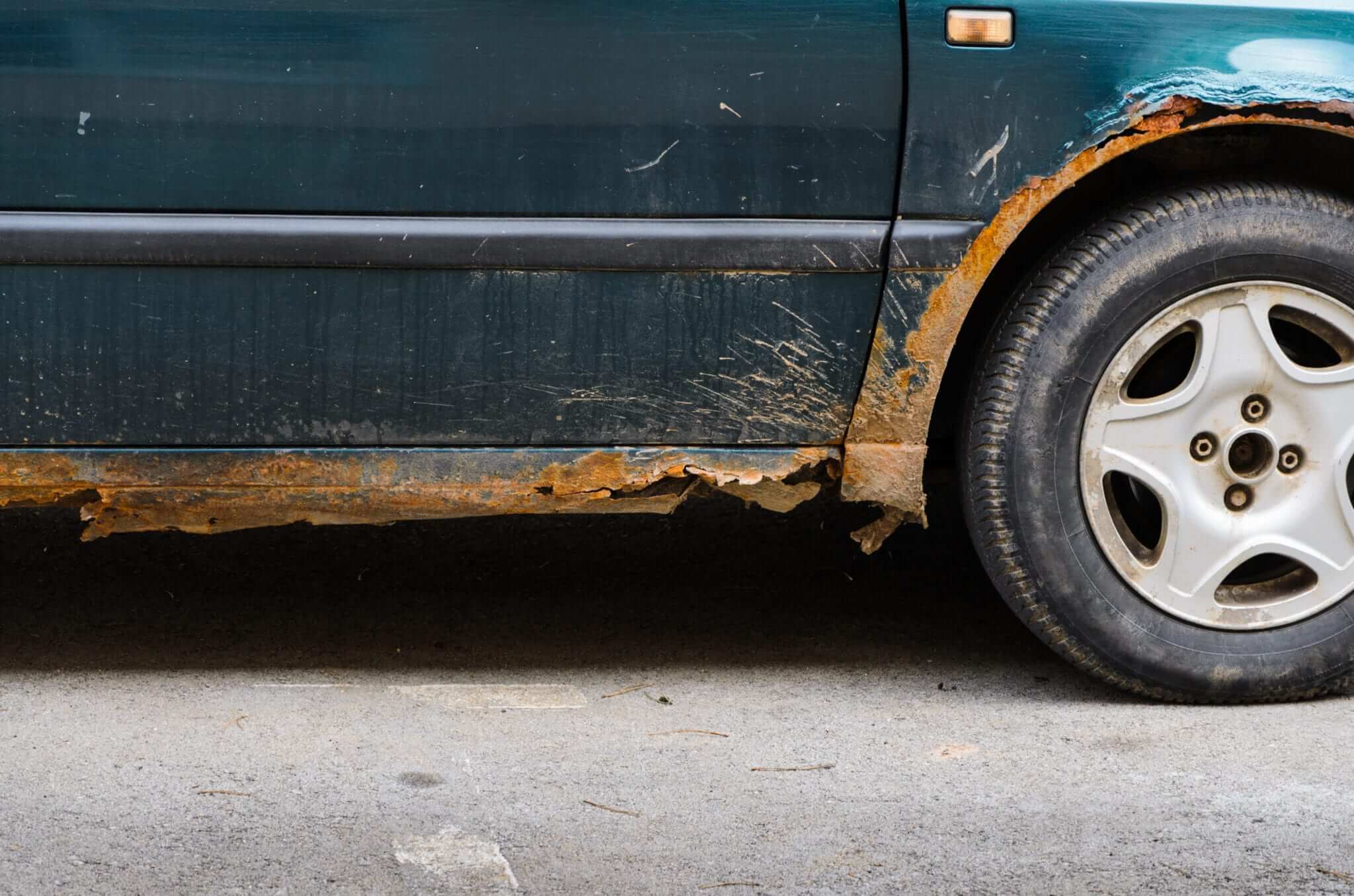
Rust forms when iron or steel reacts with water and oxygen. Salt, road grime, paint chips, and scratches speed that reaction. Most modern cars have protective coatings, but chips and seams let moisture reach the metal. Understanding causes helps you stop rust at the earliest stage.
Q: How fast does rust spread?
A: Small surface rust can spread in months when exposed to salt or frequent moisture. Left unchecked, it will cause holes in a year or two.
Q: Is surface rust different from scale rust?
A: Yes. Surface rust is light and flaky. Scale rust is deeper and often needs more aggressive repair.
Assessing rust severity
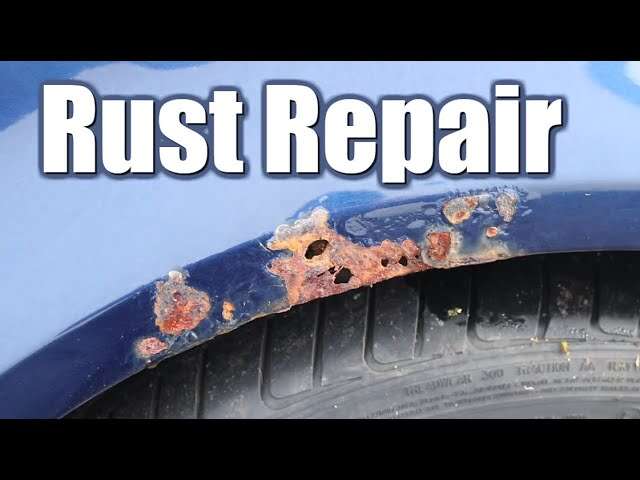
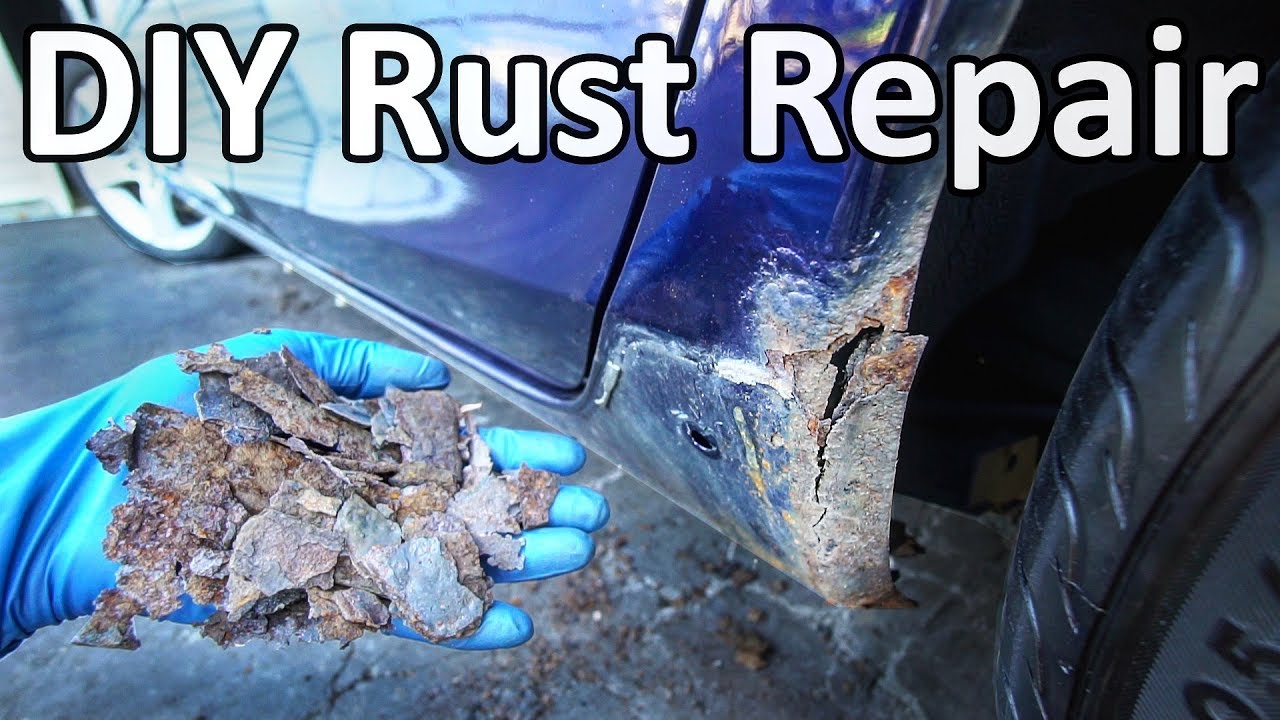
Check the spot closely. Tap the area with your knuckle. If it flakes or the metal is soft, the rust is deeper. Surface rust means paint is dull and there’s light orange discoloration. Through-rust shows holes or bubbling paint. For small surface spots you can DIY. For big holes or structural parts, get professional help.
Signs to look for
- Paint bubbling over a rust spot
- Visible orange or brown deposits
- Metal that bends or crumbles under light pressure
- Rust under trim, door sills, or wheel wells

Tools and materials you’ll need
Good prep and the right tools make the job faster and cleaner. Lay out everything before you start.
Essential tools
- Sandpaper: 80, 120, 220, 400 grit
- Wire brush or wire wheel for a drill
- Angle grinder with a flap disc for heavy rust (use with care)
- Rust converter or phosphoric-acid rust neutralizer
- Epoxy or self-etching primer and automotive primer
- Body filler (Bondo) for small pitted areas
- Touch-up paint in your car’s color code and clear coat
- Masking tape, plastic sheeting, and microfiber cloths
- Safety gear: gloves, respirator mask, safety glasses
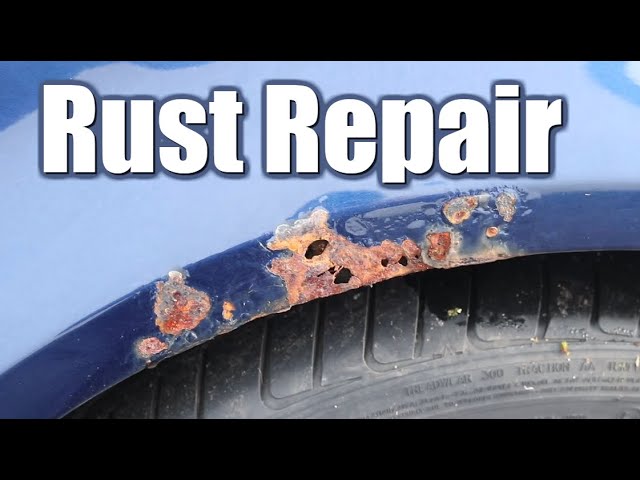
Step-by-step DIY: How to remove rust spots from car body panels
This step-by-step method works for small to medium rust spots on body panels.
- Clean and mask
- Wash the area with soap and water. Dry it completely.
- Mask around the repair with tape and paper so you only work on the spot.
- Remove paint and loose rust
- Start with 120-grit sandpaper or a wire brush. Remove paint and weak rust until you see clean metal.
- Feather the edges of surrounding paint to blend new paint later.
- Cut out severe rust
- If rust has eaten through, cut out the thin metal and prepare a patch or use body filler for very small holes.
- For holes larger than a coin, consider a welded patch or professional repair.
- Neutralize remaining rust
- Apply a rust converter or neutralizer per product instructions. It stops leftover rust and converts it to a paintable surface.
- Fill and smooth
- If the metal is pitted, apply body filler in thin layers. Let each layer cure and sand with 120 then 220 grit until smooth.
- Prime
- Wipe with a tack cloth. Apply a self-etching primer or epoxy primer in light, even coats. Let it cure as directed.
- Paint and clear
- Spray basecoat to match color in thin layers. Blend into surrounding paint.
- Apply clear coat after basecoat cures. Wet sand and polish to match gloss.
Safety tips
- Work in a well-ventilated area.
- Wear a respirator when sanding or spraying.
- Take breaks to avoid rushed or sloppy work.
Personal tip: On my first panel repair I used too much body filler and had a bumpy finish. Sand in thin, even passes and check your work under good light.

Finishing, color matching, and blending
A good finish hides the repair and protects the metal. Color matching is key.
Color match tips
- Use your VIN or paint code for an exact base color.
- For older cars, mix small amounts and test on a spare panel.
- Blend the new paint into the old by feathering wider coats away from the repair.
Polish and protect
- After final clear coat cure, wet sand with 1500–2000 grit to remove orange peel.
- Use rubbing compound and a finishing polish for shine.
- Apply wax after full cure to protect the finish.
How to remove rust spots from car body panels without leaving a mark requires patience. Thin coats and careful sanding make the repair invisible.

Preventing rust from returning
Once fixed, prevention matters. Rust likes moisture and salt.
Preventive steps
- Keep paint chips sealed with touch-up paint.
- Wash undercarriage and wheel wells after winter or salt exposure.
- Apply wax twice a year to block moisture.
- Repair stone chips and scratches promptly.
- Use rustproofing sprays for seams and inside cavities.
I sprayed seam sealer and undercoating on my classic car. That small step extended the body’s life by years and kept future rust away.
When to seek professional help
Some repairs demand a pro. Call a body shop when:
- Rust has created holes or large weak areas.
- Structural parts, suspension mounts, or frame components are affected.
- You lack welding tools or experience.
- Factory finish or resale value matters and you want a perfect color match.
A pro can weld, replace panels, and restore factory corrosion protection. For serious rust, this is often cheaper long term than repeated DIY fixes.

Frequently Asked Questions of How to remove rust spots from car body panels
What is the easiest way to remove surface rust from a car panel?
Use sandpaper or a wire brush to remove loose rust down to clean metal, then apply a rust converter and primer. Finish with touch-up paint and clear coat to seal.
Can I use household items like vinegar to remove rust?
Vinegar can remove light surface rust but is slow and less reliable for cars. For body panels, automotive rust removers or converters are faster and protect the metal afterward.
How do I know if rust has gone too far for DIY repair?
If the metal bends, has holes, or the rust covers a large area, it’s beyond simple DIY. Structural or through-panel rust usually needs pro welding or panel replacement.
How long will a DIY rust repair last?
A proper DIY repair with primer and clear coat can last many years if done right and protected. Longevity depends on prep quality and exposure to salt and moisture.
Is rust converter safe to use on car panels?
Yes, when used per instructions. It stabilizes remaining rust and prepares the surface for primer, but it won’t restore thick, flaky metal.
Conclusion
You can stop rust early and save money by learning how to remove rust spots from car body panels with care and the right steps. Start with good assessment, use proper tools, neutralize rust, and finish with primer and paint. Take prevention seriously to keep panels rust-free longer. Try a small repair today or contact a trusted body shop for larger issues — and share your results or questions below.