How To Get Rid Of Oxidation On Car Paint: Easy DIY Fixes
Light oxidation can be removed with polishing; severe oxidation may need compounding or repainting.
I’ve spent years detailing cars and fixing faded finishes, so I know exactly how to get rid of oxidation on car paint without wasting time or money. This guide walks you through what oxidation is, how to assess it, step-by-step DIY methods, tools to use, when to call a pro, and how to keep your paint looking new. Read on to learn practical, tested techniques to restore your car’s shine and protect the finish for years.
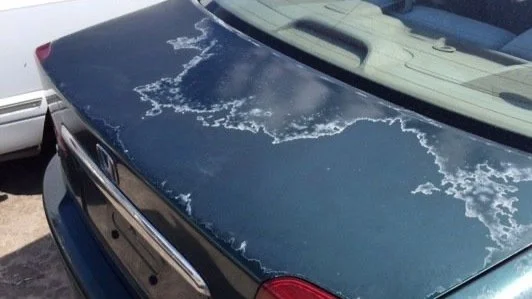
What is paint oxidation and why it matters
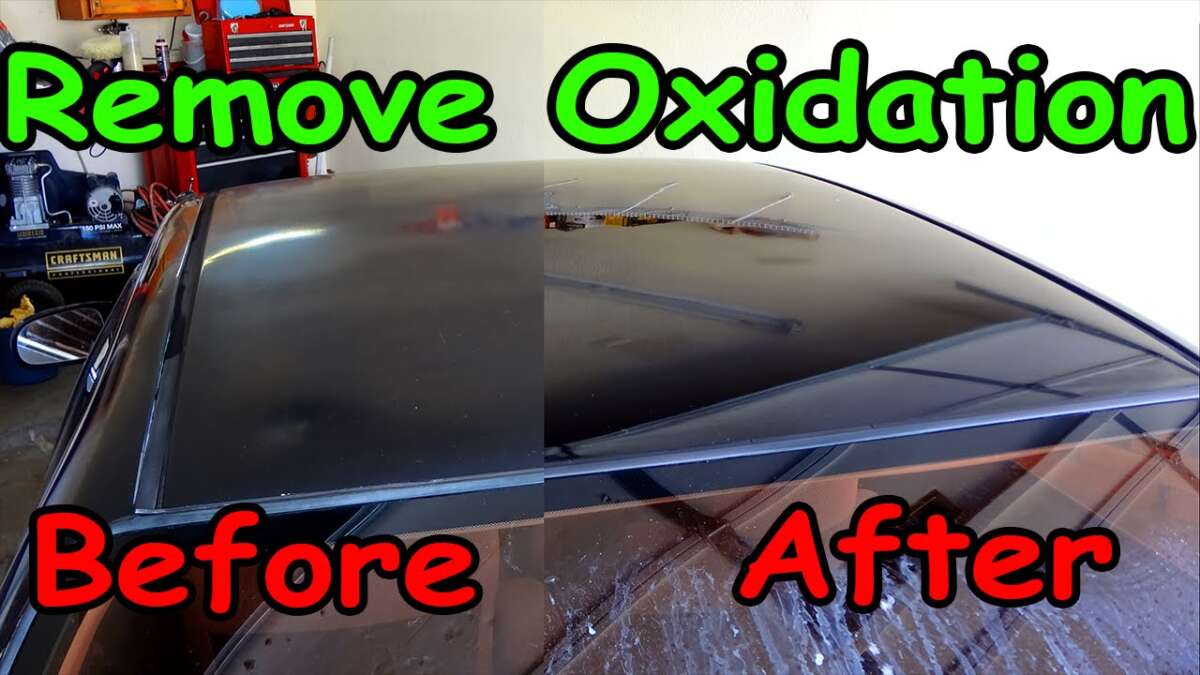
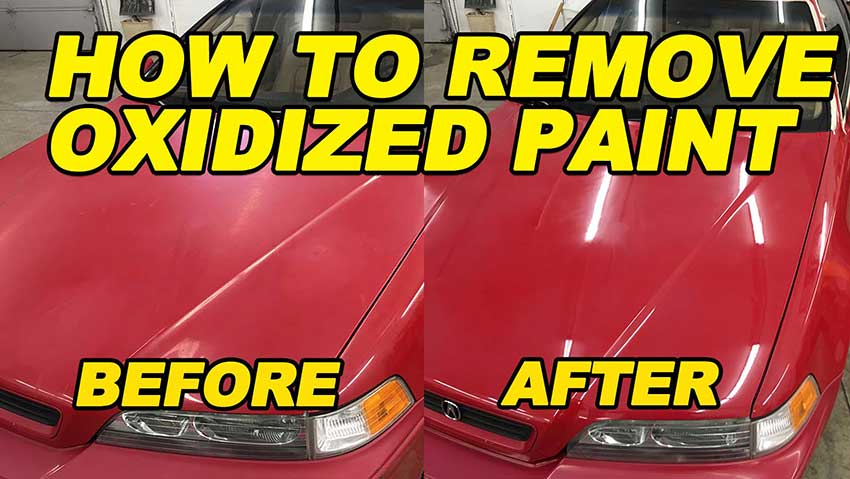
Paint oxidation is the breakdown of the clear coat and color layer due to sunlight, air, and time. UV rays and oxygen slowly remove oils and resins in the finish. The result is a dull, chalky surface that won’t shine.
Oxidation weakens the paint’s protection. Left alone, it can expose metal and lead to rust or flaking. Knowing how to get rid of oxidation on car paint helps you avoid costly repairs and keeps the car looking cared for.
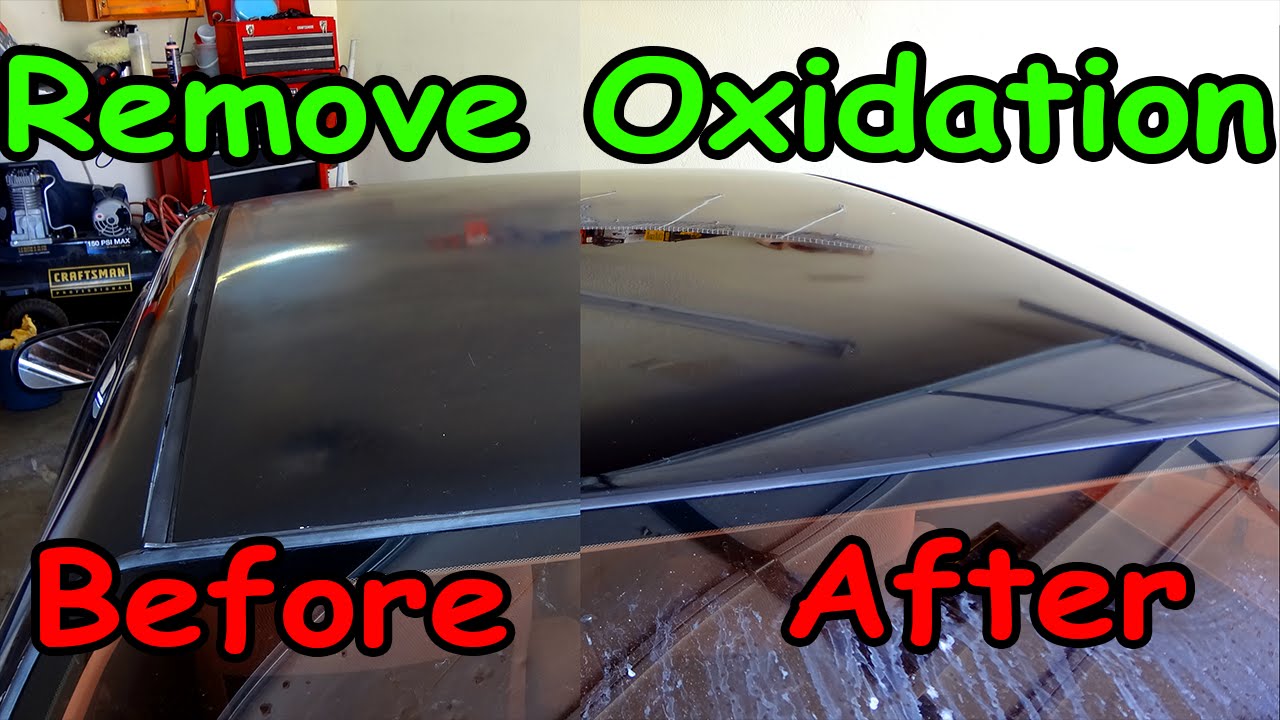
Signs and causes of oxidation
Look for these common signs:
- Dull, chalky sheen that won’t respond to washing.
- Color that looks faded or washed out.
- Fine surface flaking or white powder on black and dark paints.
- Prolonged sun and UV exposure.
- Environmental pollutants and acid rain.
- Lack of maintenance, wax, or sealant.
- Cheap or old clear coat that is breaking down.
If you want to know how to get rid of oxidation on car paint, start with a careful inspection under good light. That tells you whether you need a simple polish or full paint correction.
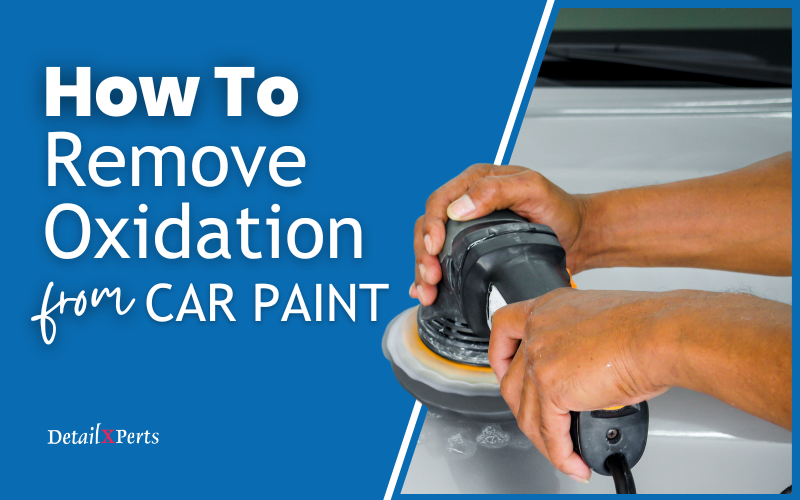
Tools and materials you’ll need
Gather this gear before you start:
- Car wash soap, microfiber wash mitt, and two buckets.
- Clay bar and lubricant to remove surface contamination.
- Polishing compound (mild polish and a medium compound).
- Dual-action (DA) polisher or orbital polisher and pads (foam or microfiber).
- Microfiber towels for wiping and buffing.
- Car wax or paint sealant for protection.
- Optional: rubbing compound for heavy oxidation and a detailer’s respirator.
Using the right tools makes how to get rid of oxidation on car paint safe and much easier. A DA polisher is a good balance of power and safety for non-professionals.
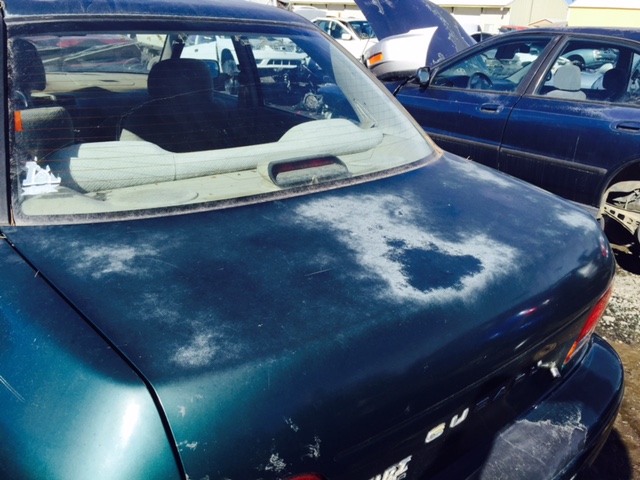
Step-by-step: remove light to moderate oxidation at home
- Wash the car
- Rinse thoroughly. Use two-bucket washing to cut grit. Dry with clean microfiber towels.
- Decontaminate with clay
- Work panel by panel with a clay bar and lubricant. This removes bonded dirt and makes polishing smoother.
- Test spot and assess
- Pick a small area. Use a mild polish first and check results. This test tells you how aggressive you must be.
- Polish with a DA polisher
- Start with a light polish and a soft pad. Move the polisher slowly in overlapping passes. Increase pressure or switch to a medium compound only if needed.
- Wipe down and inspect
- Remove polish residue with a clean microfiber towel. Check the shine and repeat on stubborn spots.
- Protect with wax or sealant
- Apply a quality wax or paint sealant. This locks in the shine and slows future oxidation.
When you follow these steps, you’ll see how to get rid of oxidation on car paint without damaging the clear coat. Work patiently; rushing causes swirls and uneven finish.

How to handle severe oxidation or clear coat failure
Severe oxidation is when the clear coat has lost adhesion or the paint flakes. Polishing may improve appearance but won’t restore a failing clear coat.
Options include:
- Heavy compounding followed by polishing to smooth the surface.
- Spot sanding and repainting small panels.
- Full repainting or clear coat application for large areas.
If you’re unsure, consult a pro. Knowing how to get rid of oxidation on car paint matters, but sometimes the right choice is professional paint restoration.
Products and pad choices: what works best
Choose products based on severity:
- Mild polish for light haze and swirls.
- Medium compound for moderate oxidation.
- Rubbing compound for very heavy oxidation, used sparingly.
Pad choices:
- Soft foam pads for finishing polish.
- Firmer foam or microfiber pads for compounding.
- Clean pads for each product to avoid contamination.
Good product and pad pairing reduces risk and makes how to get rid of oxidation on car paint more effective.

Preventing future oxidation
Prevention is easier than fixing. Follow this routine:
- Wash every 1–2 weeks to remove contaminants.
- Wax or seal the paint every 3–6 months.
- Park in shade or use a car cover when possible.
- Use paint protection film or ceramic coating for long-term defense.
These habits reduce how often you must remove oxidation on car paint and extend the life of your finish.
DIY vs professional: cost and when to choose a pro
DIY is cost-effective for light to moderate oxidation. Expect to spend on polish, pads, and a DA polisher. Pro detailing costs more but gives pro-grade tools and expertise.
Choose a pro when:
- Clear coat is peeling or flaking.
- You lack time or confidence with machine polishers.
- The car has high value or complex finishes.
Knowing how to get rid of oxidation on car paint helps you pick the right path for budget and results.
Common mistakes and tips from experience
From years of detailing, here’s what I learned:
- Mistake: Skipping the clay bar step. Tip: Always decontaminate first to avoid grinding dirt into paint.
- Mistake: Using a rotary polisher without experience. Tip: Use a DA polisher for safety and even results.
- Mistake: Overusing aggressive compound on thin paint. Tip: Test on a hidden spot first.
- Tip: Keep pads clean and replace when saturated. Dirty pads cause scratches.
- Tip: Work in shaded, cool conditions to avoid product drying too fast.
These tips make how to get rid of oxidation on car paint safer and more reliable.
Simple maintenance plan to keep paint shiny
Follow this routine:
- Weekly rinse and spot clean.
- Monthly light wash and quick detail spray.
- Every 3–6 months, apply wax or sealant.
- Annual inspection and light polishing if needed.
A small routine prevents the need for heavy correction and makes removing oxidation easier when it appears.
Frequently Asked Questions of How to get rid of oxidation on car paint
What is the easiest way to remove light oxidation?
Use a light polish with a dual-action polisher and a soft foam pad after washing and claying the surface. Finish with a wax or sealant for protection.
Can oxidation be removed by hand without a polisher?
Yes, mild oxidation can improve with abrasive rubbing compounds and a hand applicator, but it takes more effort and may not be as even as machine polishing.
Will waxing remove oxidation?
Wax hides minor haze and adds shine but does not remove true oxidation. Polishing or compounding is needed to remove oxidized paint.
How do I know if my clear coat is gone?
If the paint flakes, feels rough, or shows white lines where polish won’t make it shine, the clear coat may be failing and likely needs repainting.
Is it safe to use rubbing compound on old paint?
Rubbing compound can be safe if used carefully and tested on a small spot, but it removes clear coat material so avoid overuse or aggressive abrasion.
Conclusion
Removing oxidation restores color, protection, and value. Start with a good wash and clay, test a small area, then polish with the right pad and product. Protect the finish afterward to keep it from coming back.
Take action this weekend: inspect your car under good light, gather the right tools, and try a test spot. If you’re unsure, seek a pro for severe damage. Share your results or questions below and subscribe for more hands-on car care tips.