How To Fix Sticky Dashboard In Hot Weather: Easy Fixes
Use gentle cleaners, absorbent powders, and UV protection to fix a sticky dashboard in hot weather.
I’ve worked on car interiors for years and fixed many dashboards that turned tacky in heat. This guide shows why dashboards get sticky in hot weather, safe fixes you can do at home, and long-term steps to prevent it. Read on to learn simple, proven methods to restore your dash without causing damage.

Why dashboards become sticky in hot weather
Dashboard materials break down when exposed to heat and sunlight for long periods. Many older cars use vinyl or foam with plasticizers. Heat causes the plasticizers to rise to the surface. That creates a tacky, sticky film you can feel and see. Humid climates speed this process. Strong UV light accelerates chemical change and softens the dash surface. Understanding this helps you pick the right fix for a sticky dashboard in hot weather.
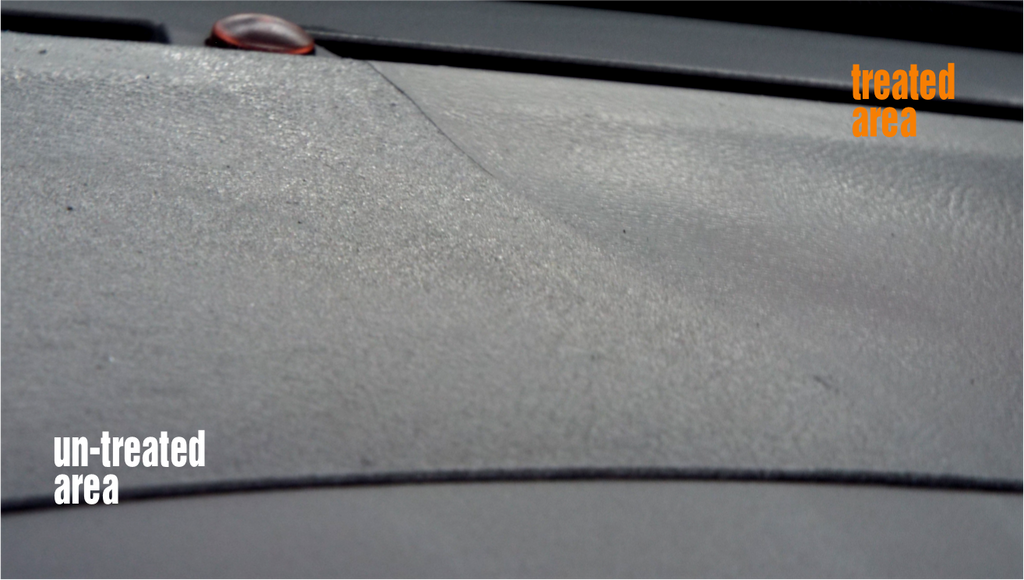
Safety first: what to avoid
Cleaning a sticky dashboard in hot weather needs care. Avoid strong solvents that melt plastic or remove color. Do not use acetone, lacquer thinner, or harsh degreasers. Test any product on a hidden spot first. Work in shade and wear gloves and eye protection. Unplug electronic components and avoid soaking speakers or vents. This protects your dash and your car’s electronics while you remove stickiness.

Quick DIY fixes that work
These quick methods often stop stickiness without removing the dash.
- Clean surface with mild soap and water
- Mix warm water and a drop of dish soap. Wipe with a soft microfiber cloth. Rinse and dry.
- Use isopropyl alcohol for sticky residue
- Dab 70% isopropyl alcohol on a cloth and rub gently. Test first; alcohol can dull some finishes.
- Absorb tackiness with talcum powder or cornstarch
- Sprinkle sparingly, rub in with a soft cloth, then vacuum or wipe off excess. This reduces the tacky feel.
- Use baking soda paste for greasy stickiness
- Mix baking soda with water into a paste. Rub gently, then wipe clean.
- Apply a heat-safe vinyl cleaner and protectant
- After cleaning, use a non-silicone vinyl protectant to restore feel and block UV.
These steps can fix a sticky dashboard in hot weather quickly. Always test before wide use.

Step-by-step: a thorough method I recommend
Follow this order for best results.
- Park in shade and cool the car
- Open doors and run the fan to lower interior temps.
- Vacuum and remove loose debris
- Use a soft brush attachment to avoid scratches.
- Clean with mild soap solution
- Wipe small areas and dry fully.
- Treat sticky sections with isopropyl alcohol
- Work in small areas and blot; avoid aggressive scrubbing.
- Absorb remaining tackiness with cornstarch or talc
- Rub in and remove excess.
- Finish with a UV-safe vinyl protectant
- Reapply per product directions to prevent return of stickiness.
This method helped me restore a ten-year-old car that had a very sticky dashboard in hot weather. It took patience, but the result was a clean, non-tacky dash that lasted the summer.
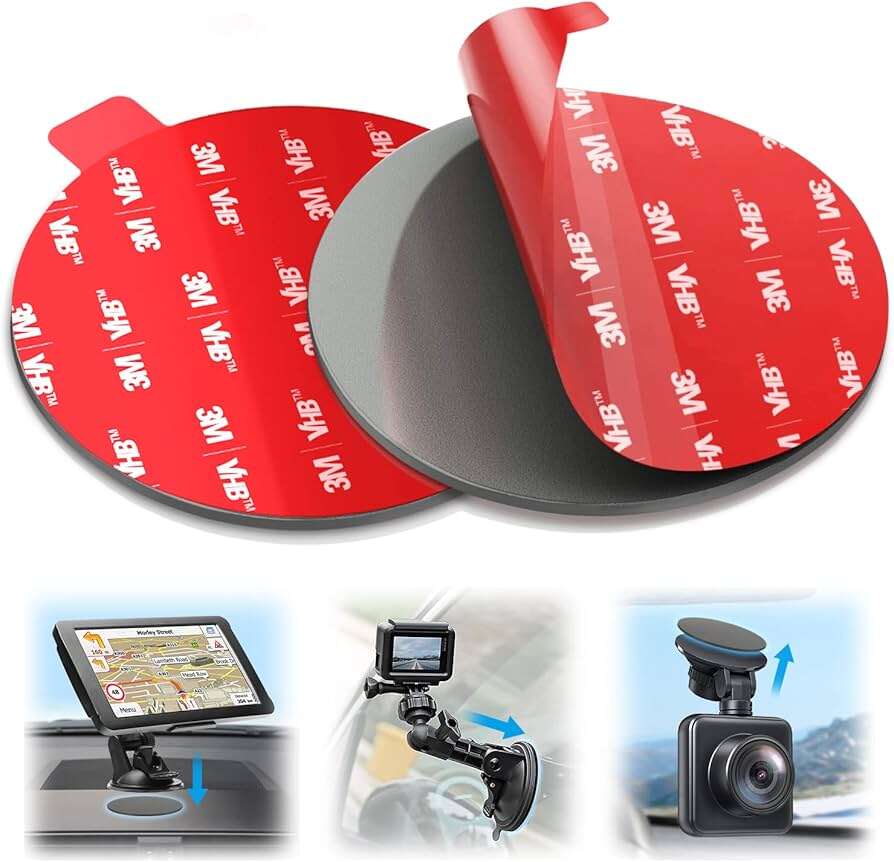
src="https://m.media-amazon.com/images/I/61oVVQLgZjL.jpg"
alt="Best products and materials to use”
style=”max-width: 100%; height: auto; border: 2px solid black; border-radius: 10px; display: block; margin: 0 auto;”
loading=”lazy”
/>
Best products and materials to use
Choose gentle, tested products to fix a sticky dashboard in hot weather.
- Isopropyl alcohol 70%: good for light residue
- Mild dish soap: safe for regular cleaning
- Cornstarch or talcum powder: absorbs tacky films
- Baking soda: gentle abrasive for grease
- Vinyl cleaner and UV protectant (non-silicone): restores finish and blocks UV
- Microfiber cloths and soft brushes: avoid scratches
Avoid products labeled heavy-duty degreaser or paint stripper. Those can ruin dash color and texture.

Prevention: stop stickiness before it starts
Proactive steps work best to prevent a sticky dashboard in hot weather.
- Park in shade or use a windshield sunshade
- Apply a UV protectant every few months
- Tint windows where legal to cut UV and heat
- Use a dash cover or mat during hot seasons
- Keep the interior clean to prevent oil and dirt buildup
These habits cut heat exposure and slow breakdown of dashboard materials.

When to seek professional help or replace the dash
If cleaning and protectants fail, consider pro help. Signs you need repair or replacement:
- Sticky surface returns quickly after treatment
- Foam under the vinyl has broken down
- Visible cracks, discoloration, or missing material
- Electronics or airbag covers are affected
A restoration specialist can re-coat or replace dash material. Replacement is sometimes the safest option for severe damage.

Common mistakes and how to avoid them
Avoid these errors I’ve seen often while repairing stickiness.
- Using harsh solvents that strip color
- Rubbing too hard and creating scratches
- Skipping the test spot step
- Applying silicone-based products that attract dust and worsen tackiness
- Ignoring heat prevention after cleaning
Follow gentle steps. Test products first. That keeps the dash safe.

Personal tips and lessons learned
I once fixed a sticky dashboard in hot weather for a friend’s older sedan. The owner used an oily protectant that made things worse. I cleaned it with soap, used isopropyl alcohol on stubborn spots, and applied cornstarch to absorb remaining tack. Then I used a quality UV protectant. The result held through a summer of high heat. Lesson learned: choose products carefully and protect the dash after cleaning.
Troubleshooting: stubborn or returning stickiness
If the dashboard stays sticky, try these steps.
- Repeat cleaning and absorption steps once more
- Use a stronger vinyl restorer made for automotive interiors
- Consider professional steam cleaning to remove deep residue
- If tackiness persists, inspect for foam breakdown under vinyl
Persistent problems often mean material failure. Professionals can advise on repair vs replacement.
Frequently Asked Questions of How to fix sticky dashboard in hot weather
How long will a DIY fix last on a sticky dashboard in hot weather?
A DIY fix can last weeks to months depending on material and heat exposure. Regular UV protection extends results.
Is it safe to use rubbing alcohol on a dashboard?
Isopropyl alcohol is safe for small spots on many dashboards but test first. Use gently to avoid dulling or discoloring.
Can talcum powder permanently fix a sticky dashboard in hot weather?
Talcum powder absorbs surface tackiness but is usually a temporary fix. It helps until you can apply a protectant.
Will a vinyl protectant make the dashboard tacky again?
Choose a non-silicone, heat-safe protectant. Silicone types can attract dust and worsen stickiness over time.
Should I remove the dashboard to fix stickiness?
Removing the dashboard is a last resort. Most tackiness is treatable on the surface. Professionals may remove parts if foam has degraded.
Conclusion
Fixing a sticky dashboard in hot weather is doable with safe cleaning, absorbent powders, and proper UV protection. Start small, test products, and follow gentle steps. If the problem keeps coming back, get professional advice or consider replacement. Take action now: try the step-by-step method above, protect your dash from heat, and share your results or questions in the comments.