How To Fix Chipped Paint On Car Bumper: Quick DIY Fix
Clean, sand, prime, match paint, apply touch-up, and clear coat; cure and polish for a seamless finish.
I’ve spent years fixing car surfaces and teaching drivers simple repairs. This guide explains how to fix chipped paint on car bumper with clear steps, practical tips, and real-world lessons so you can restore looks and protect your car. Read on to learn the full process, when to DIY, and when to call a pro.
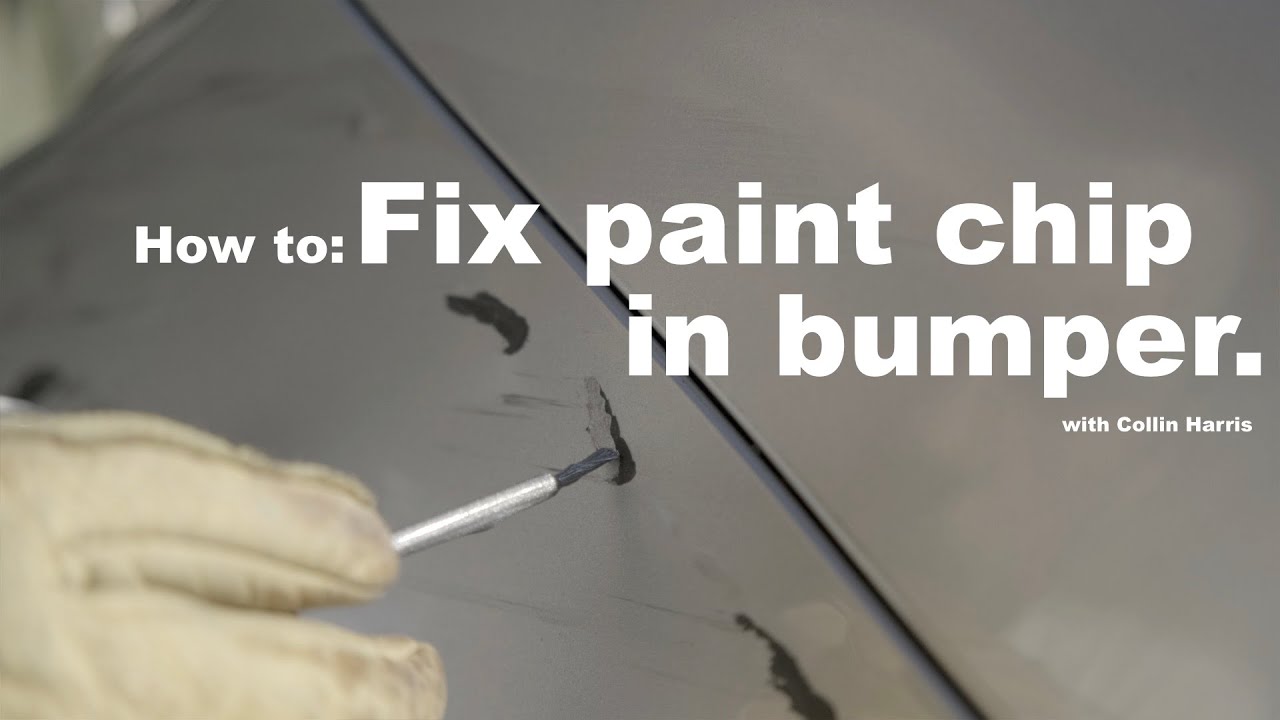
Why paint chips on bumpers and what to expect
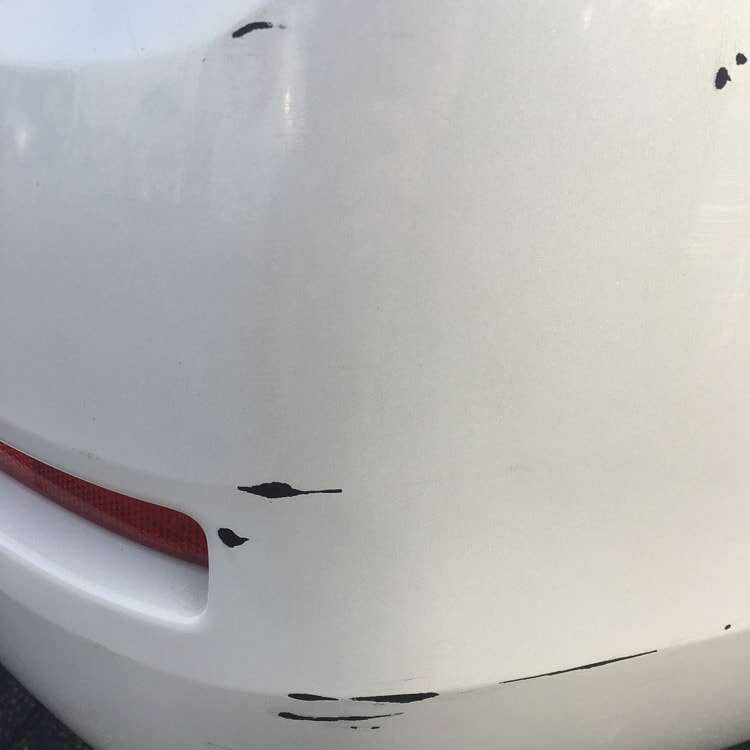
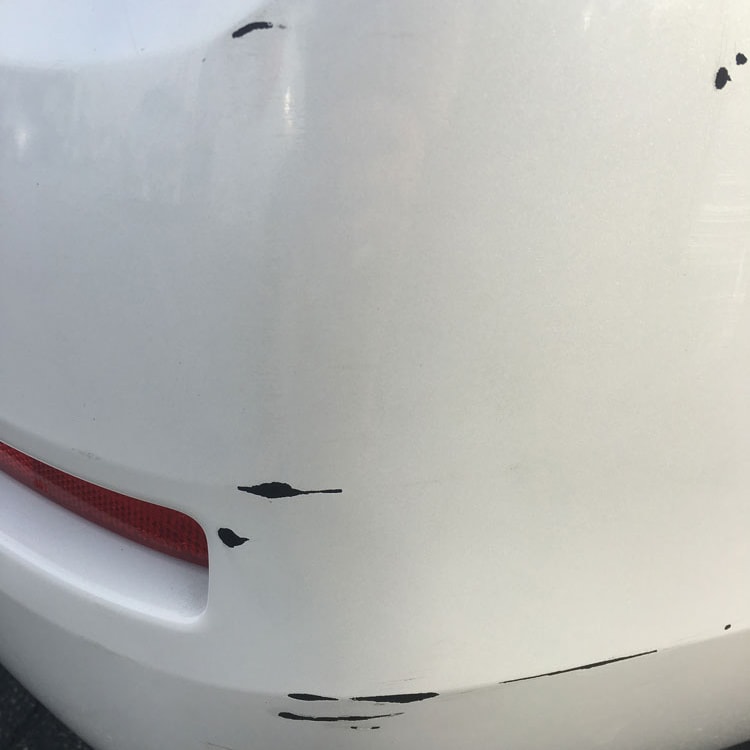
Paint chips on bumpers happen for a few clear reasons. Small rocks, parking lot dings, and temperature changes all stress the paint. Plastic bumpers flex, which can make the paint crack and flake over time.
Understanding the paint layers helps. Bumpers normally have a primer, base color coat, and a clear coat. Chips may remove only the clear coat or go down to primer or bare plastic, and the repair method changes with depth. Knowing this helps you decide how to fix chipped paint on car bumper properly.

Tools and materials you’ll need
Having the right tools makes the job simple and reliable. You will need fine sandpaper, plastic primer, color-matched touch-up paint, clear coat, rubbing alcohol, microfiber cloths, masking tape, and safety gear like gloves and a respirator.
Optional but helpful items include a touch-up pen, a small brush set, a paint blending solvent, and a polisher. Buy paint that matches your car’s color code for best results. Collect everything before you start to keep the work smooth and dust-free.
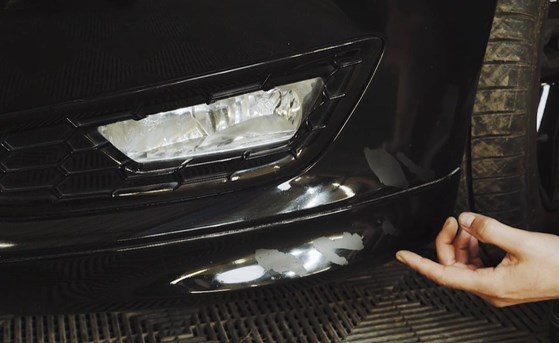
How to fix chipped paint on car bumper: step-by-step guide
-
Assess the chip depth and size
- Clean the area with soap and water. Dry it completely.
- Use a magnifier if needed to see whether the chip reaches primer or plastic. This assessment tells you whether you need primer or only paint.
-
Clean and degrease
- Wipe the chip and surrounding area with rubbing alcohol or an automotive cleaner. Let it dry.
- Removing wax and oil helps paint adhere. This step prevents peeling after you fix chipped paint on car bumper.
-
Sand the damaged area
- Lightly sand edges of the chip with 600–800 grit sandpaper. Smooth the transition from paint to bare area.
- If bare plastic is exposed, sand gently to create a tiny key for primer. Avoid over-sanding the surrounding intact paint.
-
Apply plastic adhesion promoter and primer when needed
- On bare plastic, use a plastic adhesion promoter first, then a thin primer coat. Let each coat dry as directed.
- For shallow clear-coat-only chips, you can often skip primer and go straight to base color.
-
Apply base color
- Shake the touch-up paint well. Apply thin layers with a small brush or pen. Let each layer dry before the next.
- Build the color in thin coats until it matches the surrounding paint. Thin layers prevent runs and give a better color match.
-
Blend and level the surface
– Once the color is set, wet-sand lightly with 1500–2000 grit to level. Keep sandpaper wet and use light pressure.- The goal is a smooth transition before clear coat. This helps the repaired spot reflect light like the rest of the bumper.
-
Apply clear coat
- Spray or brush on two to three thin clear coats. Allow proper flash time between coats as product directions state.
- Clear coat protects the color and provides gloss. Cure fully before handling.
-
Polish and finish
- After full cure, wet-sand with 2000–3000 grit if needed, then polish with a fine compound and a microfiber pad.
- Finish with a quality wax or sealant. This step refines the shine and seals the repair.
Follow manufacturer dry times and safety advice for solvents and paints. Patience at each step gives the best result when you fix chipped paint on car bumper.
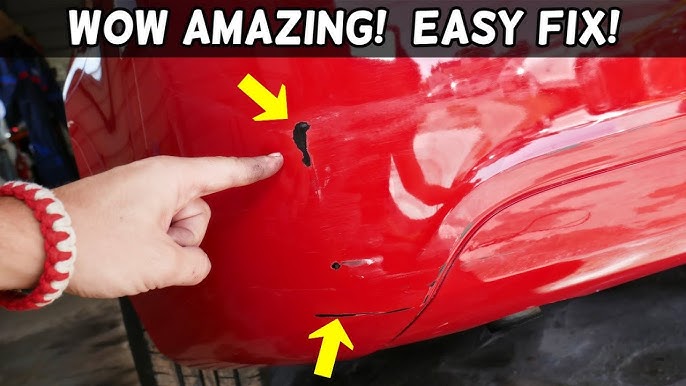
Tips, tricks, and mistakes I’ve learned from experience
I’ve patched many bumpers and learned that small moves make big differences. Work in a clean, dry place out of wind and dust. Temperature matters: paint behaves best between 60–75°F.
Common mistakes to avoid:
- Rushing coats. Thin, slow layers beat thick, rushed ones every time.
- Skipping adhesion promoter on plastic. The paint can peel if it doesn’t bond.
- Over-sanding. Removing too much surrounding paint makes color matching harder.
A trick I use: keep a small sample of your car’s paint in a sealed bottle for future chips. I also let repairs cure longer than instructions suggest when humidity is high. These small habits improve durability when you fix chipped paint on car bumper.
When to choose a professional repair instead
DIY fixes work well for small chips and shallow damage. Choose a pro for large chips, deep damage to plastic, structural cracks, or if the bumper needs full respray. Professionals can match color across panels and handle blended repaints for a factory finish.
Insurance may cover professional repair for collision damage. Get an estimate and weigh cost versus time and finish quality. If the paint is peeling across a wide area, professional repainting is often the smarter long-term choice when addressing how to fix chipped paint on car bumper.
Frequently Asked Questions about How to fix chipped paint on car bumper
How long will a DIY chip repair last?
A proper DIY repair can last years if done right and cured fully. Longevity depends on prep, material quality, and exposure to weather.
Can I use spray paint from a hardware store to fix chips?
You can use spray paint for small jobs, but it rarely matches OEM color exactly. Color-matched automotive touch-up paint gives a better, longer-lasting finish.
How do I find my car’s exact paint color?
Check the vehicle information sticker or owner’s manual for the paint code. Using the exact code helps you match paint and reduces visible differences.
Is sanding necessary for every chip?
Light sanding is recommended to smooth edges and promote adhesion. Extremely tiny surface chips sometimes can be filled with touch-up paint, but sanding improves durability.
Will temperature affect the repair?
Yes. Paint cures best in moderate temperatures and low humidity. Work indoors or wait for suitable weather to ensure proper drying and adhesion.
Conclusion
Fixing chipped paint on car bumper is a steady process of assessment, prep, careful painting, and finishing. Follow the steps, use the correct materials, and take your time for the best result. If the damage is large or structural, seek professional help to protect value and safety.
Try a small repair this weekend, or bookmark this guide and gather the tools. If you found this useful, leave a comment with your repair story or subscribe for more hands-on car care tips.