How To Eliminate Cigarette Smell From Used Car: Odor Fix
Deep cleaning, odor absorbers, and ventilation usually remove cigarette smell from a used car.
I’ve spent years detailing and restoring cars, and I’ll walk you through proven, practical steps to get rid of cigarette odor in a used car. This guide explains why smoke sticks, which cleaning methods actually work, what tools and products to use, and when you should call a pro. Follow these steps and you’ll know exactly how to eliminate cigarette smell from used car interiors with confidence and clear results.
:max_bytes(150000):strip_icc()/removing-smoke-smell-from-car-4009054-24d8841f89fc4922ad1cd3c53d4d9d86.png)
Understanding why smoke lingers and what it is
Cigarette smoke is not just a smell. It is an oily mixture of microscopic particles and volatile compounds. These particles cling to fabrics, plastics, leather, headliners, and HVAC systems. That is why a quick air freshener rarely fixes the problem.
How to eliminate cigarette smell from used car requires both removal of particles and neutralization of odors. Cleaning removes the residue. Odor absorbers and oxidizers neutralize what remains. In deep cases, parts may need replacement.
Common places smoke hides:
- Seats and seat seams
- Carpet and floor mats
- Headliner and sun visors
- Door panels and plastics
- HVAC vents and cabin air filter
Personal note: I once cleaned a 2006 sedan that smelled strongly of smoke. I shampooed the carpet, replaced the cabin filter, cleaned the vent ducts, and used activated charcoal for 48 hours. The smell dropped by 90% in a day and was gone in a week.
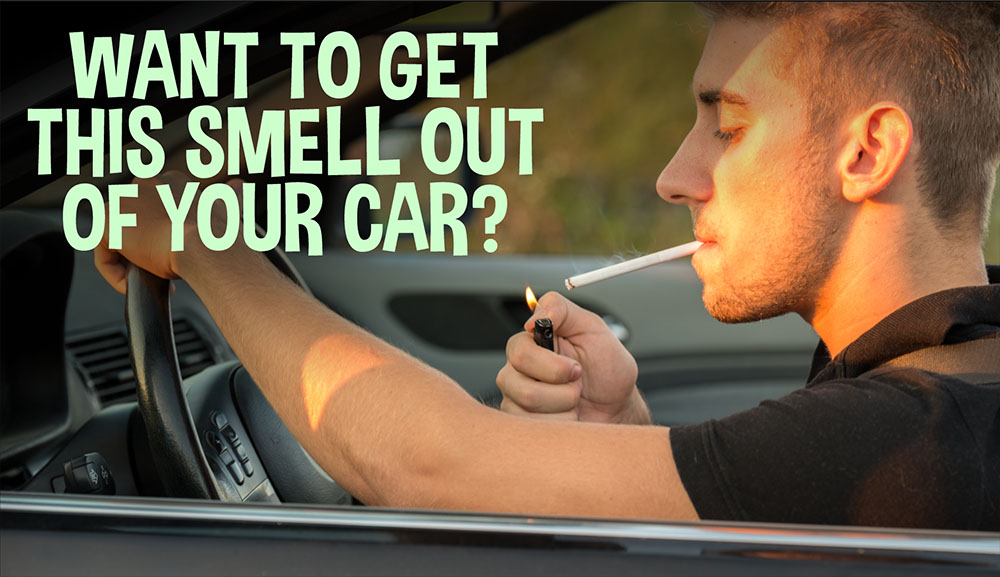
Step-by-step deep cleaning process to eliminate cigarette smell from used car
Follow this ordered plan. Work from outside in, and tackle vents and filters early.
- Prepare and ventilate
- Open all doors and windows on a calm, non-rainy day.
- Remove all trash, ash, and visible debris immediately.
- Remove and launder what you can
- Take out floor mats and seat covers. Wash or shampoo them.
- Vacuum seats, carpet, and trunk thoroughly. Use a crevice tool for seams.
- Deep clean fabrics and carpet
- Use a carpet/upholstery cleaner or a diluted enzyme cleaner designed for smoke.
- Work in small sections and use a brush to lift residue. Extract with a wet/dry vacuum.
- Clean hard surfaces
- Wipe plastics, dash, and leather with appropriate cleaners. Use mild leather cleaner and conditioner.
- Clean steering wheel, gear shifter, and door handles; smoke oils collect on touch points.
- Treat the headliner and tight spots
- Use a gentle fabric foam cleaner applied lightly with a soft brush. Avoid soaking the headliner.
- Deodorize vents and HVAC
- Replace the cabin air filter first.
- Spray an EPA-registered HVAC disinfectant or enzyme cleaner into the fresh-air intake with the fan running.
- Use a vent brush and compressed air to clean duct openings.
- Use odor absorbers and neutralizers
- Place activated charcoal or baking soda in breathable containers for 48–72 hours.
- Use odor-neutralizing sprays designed to eliminate tobacco odor, not just mask it.
- Consider ozone or hydroxyl treatment for heavy cases
- Ozone generators and hydroxyl machines oxidize odor molecules. Use with caution and follow safety rules.
- Ozone requires the car to be vacated and treated for a set time, then ventilated thoroughly.
- Repeat and monitor
- Smell often fades slowly. Repeat deep clean and absorber steps if needed.
- Allow the car to air for several days with absorbers in place.
How to eliminate cigarette smell from used car works best when you combine cleaning, filtration, and neutralization. Small, repeated steps often beat a single intensive treatment.

Products, tools, and DIY tips that actually work
Choose simple, proven items. You don’t need expensive gear for a solid result.
Useful tools:
- HEPA vacuum or shop vac with upholstery attachment
- Upholstery and carpet extractor (rented or owned)
- Soft brushes and microfiber cloths
- Compressed air can or compressor for vents
Effective products:
- Enzyme cleaners that break down smoke residues
- Activated charcoal or carbon bags for absorption
- Baking soda for carpets and small items
- Odor neutralizers containing odor-eating enzymes or odor absorbers (not just fragrances)
- Ozone or hydroxyl machines for severe, persistent odors
DIY tips from experience:
- Do a spot test on fabrics before using any cleaner.
- Work in shaded, ventilated areas to help cleaners dry fast.
- Use small containers of charcoal in cup holders and under seats for continuous absorption.
- Replace the cabin air filter — it often holds the worst of the smell.
How to eliminate cigarette smell from used car becomes much easier when you pick the right product for the right surface.

Professional treatments and when to hire a pro
Some situations need pro help. If the smell is deeply embedded or the car has been smoked in for years, consider professional services.
When to call a pro:
- Persistent odor after a thorough DIY cleaning
- Mold or residue heavy in HVAC ducts
- Smoke damage to electronics or odor in hard-to-reach cavities
- High-value vehicles where you want guaranteed results
Professional options:
- Steam cleaning and professional shampoo extraction
- Ozone or hydroxyl treatment performed safely and monitored
- Full interior disassembly and deep-cleaning of seat foam and headliner
- Replacement of components like cabin filter, floor padding, or seat foam
Costs and time vary. Expect a basic professional deep clean to start at modest prices, and a full disassembly with ozone to be pricier. Always ask for a written guarantee or re-treatment policy.
How to eliminate cigarette smell from used car can require professional equipment when DIY options don’t fully remove trapped smoke.

Preventive measures and long-term care after removing smoke odor
After you remove the smell, protect your work. Prevention keeps the car fresh.
Easy habits:
- Keep the car smoke-free. A “no smoking” rule is the single best prevention.
- Use scheduled interior cleaning every 3–6 months.
- Replace the cabin air filter once a year or per your driving conditions.
- Use charcoal bags or small absorbers when parking long-term.
Maintenance items:
- Vacuum weekly to remove oils and ash buildup early.
- Wipe hard surfaces regularly to stop residue build-up.
- Air out the car after trips, especially if you pick up smoky passengers.
How to eliminate cigarette smell from used car is only part of the battle. Long-term care prevents the odor from returning and keeps resale value higher.

Cost, timeline, and realistic expectations
Expectations and costs depend on how long the car was smoked in and the degree of saturation.
Typical timeline:
- Light odor: 1–3 days with deep clean and absorbers.
- Moderate odor: 3–10 days with multiple cleanings and ventilation.
- Heavy or long-term odor: weeks, and possibly professional treatment or part replacement.
Typical costs:
- DIY supplies: $20–$150 depending on cleaners and charcoal.
- Rented extractor: $30–$80 per day.
- Professional detail: $75–$300 for deep cleaning.
- Professional ozone/hydroxyl plus interior work: $150–$600 or more for severe cases.
Limitations to be honest about:
- Some smoke molecules bond to foam and fabric fibers permanently.
- Headliners and seat foam may trap odor that requires replacement.
- Ozone can help but may not be a miracle for saturated foam.
My experience: I reduced extreme smoke odor by 80% with two deep clean sessions and charcoal; the last 20% required replacing seat foam in one car. Be prepared for layered efforts.

Common quick questions about removing smoke odor (PAA-style)
Will spraying an air freshener remove cigarette smell from a used car?
Air fresheners only mask smoke. They can help short-term but will not remove particles or oil residue that cause odor.
Does baking soda really work to remove cigarette smell?
Baking soda absorbs some odor from carpets and small items. It helps but is best used alongside deeper cleaning and odor absorbers.
Is ozone safe for cars and people?
Ozone works on odors but is hazardous to breathe during treatment. The vehicle must be empty and aired out afterward. Use professionals if unsure.
How long until my car smells fresh after a deep clean?
Light cases can clear in 1–3 days. Moderate cases take a week. Severe, long-term smoking may take weeks or need component replacement.
Should I replace the cabin air filter to remove smoke smell?
Yes. A smoked-in cabin filter often holds concentrated odor and replacing it is an inexpensive, high-impact step.

Frequently Asked Questions of How to eliminate cigarette smell from used car
How long does it take to fully remove cigarette smell from a used car?
It depends on severity. Light odors often clear in a few days; long-term smoking can take weeks or need professional treatment.
Can I remove smoke smell without replacing parts like seat foam?
Often yes, using deep cleaning, extraction, and odor absorbers. However, very saturated foam or headliners may require replacement for complete removal.
Is ozone treatment the best method to eliminate cigarette smell from used car?
Ozone is powerful against many odors but carries safety considerations. It works well for severe cases when used correctly but is not always the only solution.
Are enzyme cleaners effective against cigarette smell?
Enzyme cleaners can break down organic residues and help reduce odor. They are useful on fabrics and carpets but should be paired with extraction and ventilation.
How can I prevent the smell from coming back after cleaning?
Keep the car smoke-free, replace cabin filters regularly, vacuum often, and use odor absorbers or charcoal packets for ongoing protection.
Will professional detailing guarantee the smoke smell is gone?
Many pros offer re-treatment policies. Guarantees vary, and extreme cases may still need parts replaced. Ask about their specific warranty before booking.
Can I use household cleaners like vinegar to remove cigarette smell?
White vinegar can neutralize odors in small areas and on hard surfaces. It helps but is usually not enough on its own for heavily smoked-in cars.
What parts most commonly need replacement to stop smoke smell?
Common replacements include cabin air filter, floor padding, and occasionally seat foam or headliner if heavily saturated.
Will smoking in the car after cleaning undo all the work?
Yes. Resuming smoking will immediately reintroduce residues and quickly bring the odor back. Maintaining a no-smoking rule is essential.
Are there health risks from cigarette-smelling cars?
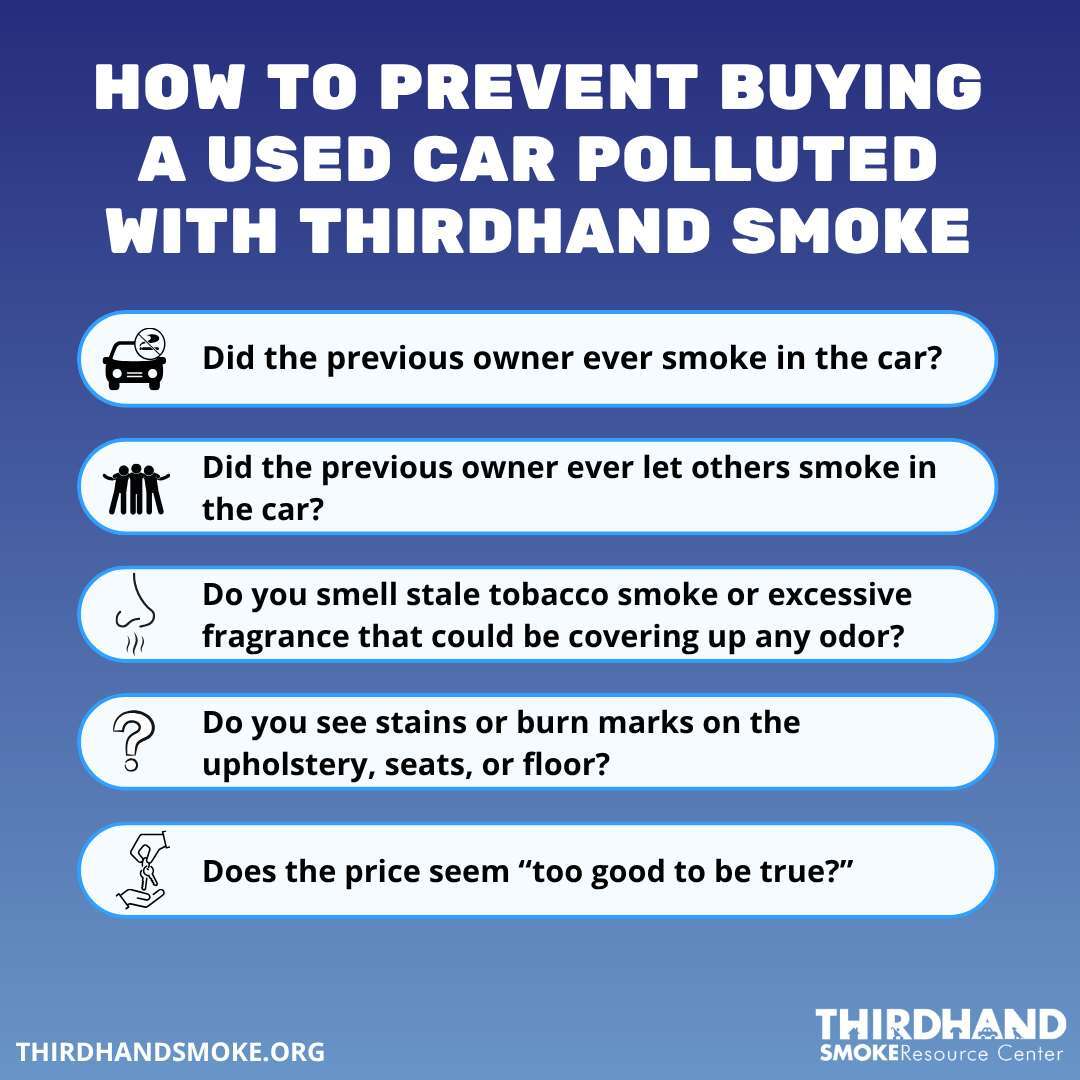
Yes. Residual smoke (thirdhand smoke) contains toxic compounds that cling to surfaces. Cleaning reduces exposure but full removal is best for health.
Conclusion
Removing cigarette odor from a used car is a step-by-step process. Clean surfaces deeply, treat HVAC and filters, use absorbers and neutralizers, and consider professional ozone or disassembly for severe cases. My practical advice: start with a good vacuum and extract, replace the cabin filter, and use charcoal while you monitor progress. If the smell persists, invest in professional help rather than temporary fixes.
Take action now: pick one of the cleaning steps above and start today. If you found this guide useful, try the methods and share your results or questions in the comments.