How To Clean Leather Car Seats Without Cracking: Safe Tips
Clean with a gentle, pH-neutral leather cleaner and follow with regular conditioning to avoid cracks.
I’ve worked on cars and leather seats for years, and I know how easy it is to ruin leather by cleaning the wrong way. This guide on How to clean leather car seats without cracking walks you through safe products, step-by-step methods, and prevention tips. You’ll get clear, tested advice that protects finish, color, and softness while avoiding the common mistakes that cause cracking.
Why leather cracks and how cleaning helps
Leather is a natural material. It loses oils and moisture over time. Heat, sun, and harsh cleaners speed that process. Cleaning the leather correctly removes dirt without stripping natural oils. This keeps fibers flexible and lowers the risk of cracks.
Common causes of cracking:
- Prolonged sun and heat exposure.
- Harsh cleaners or solvents that remove oils.
- Lack of conditioning and moisture.
- Dirt and grit that abrade the surface.
Understanding these causes helps you choose the right steps for How to clean leather car seats without cracking. Treat leather gently and you keep it strong and soft.
Tools and supplies you need
Use the right tools. Cheap rags and household cleaners do more harm than good. Gather items made for leather care.
Essential items:
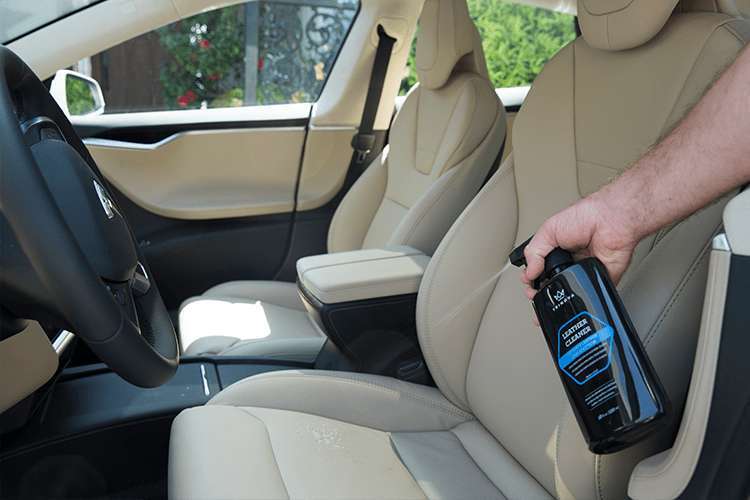
- pH-neutral leather cleaner designed for automotive leather
- Leather conditioner or cream that suits your leather type
- Microfiber cloths (several)
- Soft-bristle leather brush or toothbrush
- Vacuum with soft brush attachment
- Distilled water and a spray bottle
- Soft applicator pad or foam sponge
- Cotton swabs for seams and crevices
- Clean towels for blotting
Having these ready makes How to clean leather car seats without cracking simple and safe.
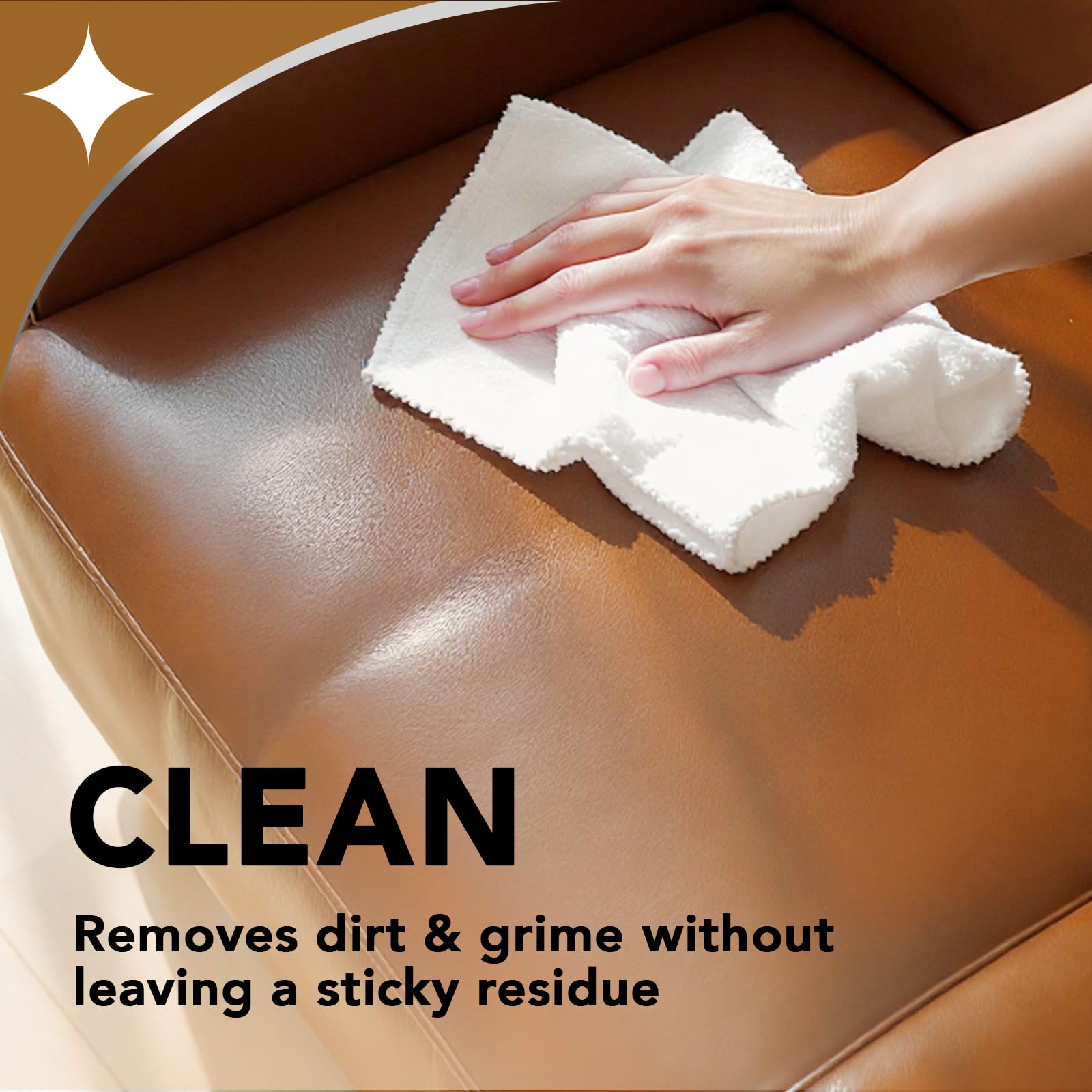
Step-by-step: How to clean leather car seats without cracking
Follow this method. Work in small sections. Test any product first on a hidden spot.
-
Inspect and test
- Check leather type and tags if possible.
- Test cleaner on an unseen area for color fastness.
-
Vacuum first
- Use a soft brush head to remove dust and grit.
- Clean seams and crevices with a vacuum nozzle and cotton swabs.
-
Gentle cleaning
- Lightly mist cleaner on a microfiber or put a small amount on the applicator.
- Work in small circles with very light pressure.
- Wipe away loosened dirt with a clean microfiber cloth.
-
Tackle stains carefully
- For grease, use a leather-specific degreaser sparingly.
- For ink or stubborn marks, consult a pro or use a recommended spot product.
-
Rinse and blot
- Dampen a clean cloth with distilled water and wipe away residue.
- Blot dry with a towel. Never soak the leather.
-
Condition while slightly damp
- Apply a thin layer of conditioner in small circles.
- Work product into seams and bolsters.
- Buff lightly with a clean cloth to remove excess.
-
Let it rest
- Allow seats to air dry away from direct sun or heat.
- Avoid driving immediately if seats feel tacky.
-
Repeat on schedule
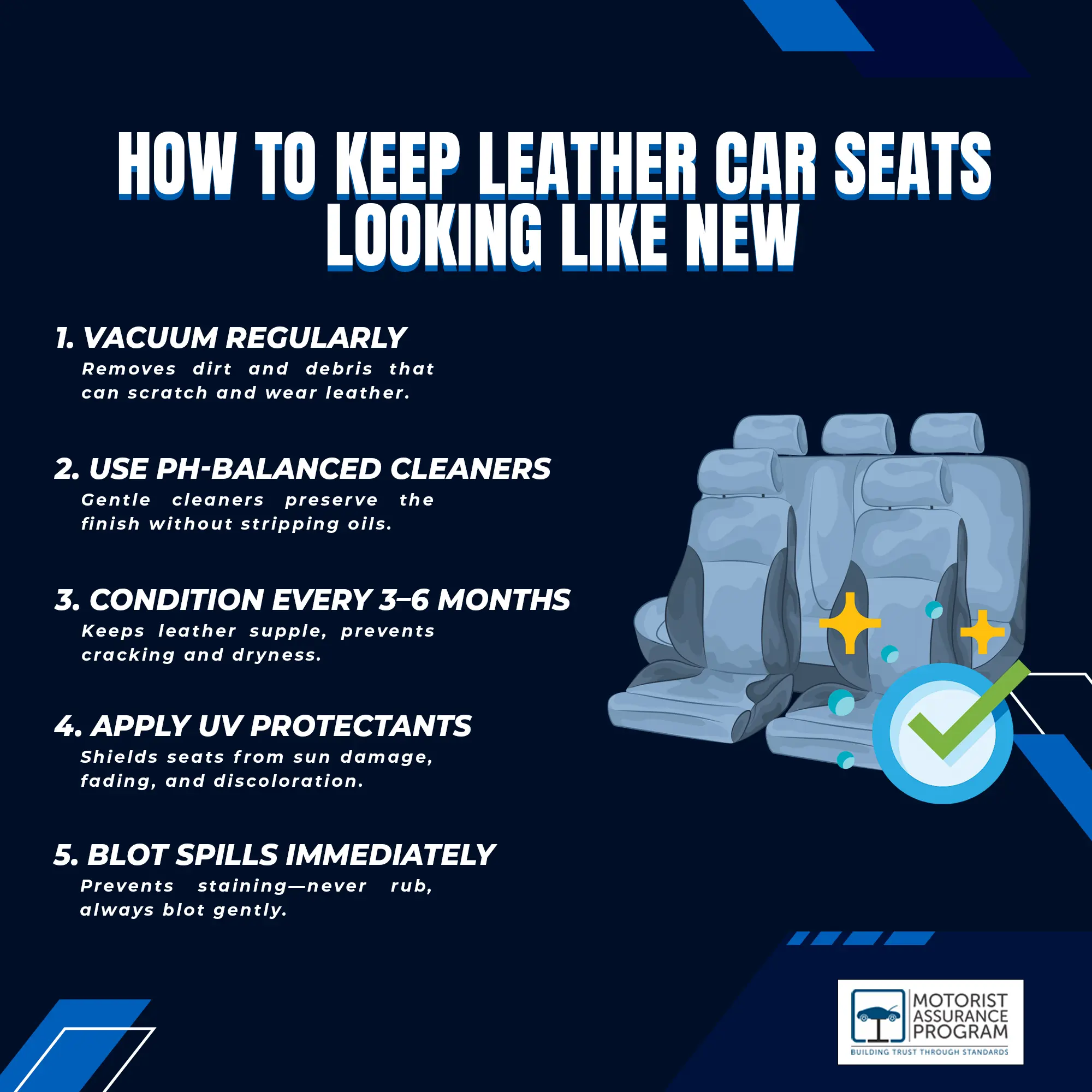
- Clean lightly every 1–3 months.
- Condition every 3–6 months depending on climate and use.
These steps show How to clean leather car seats without cracking by keeping cleaning mild and conditioning regular.
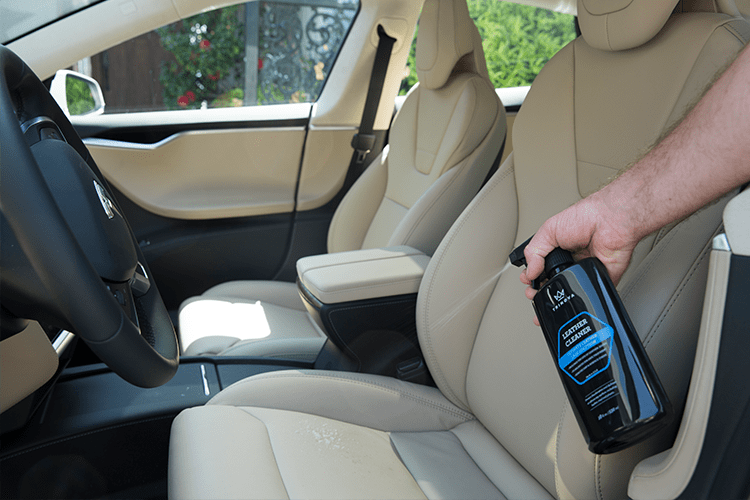
People also ask
Q: Can I use dish soap on leather seats?
A: No. Dish soap is too alkaline and strips oils. Use a pH-neutral leather cleaner instead.
Q: How often should I clean leather seats?
A: Light cleaning every 1–3 months is good. Condition every 3–6 months to avoid drying.
Q: Will water ruin leather seats?
A: Small amounts are fine when used with proper cleaner. Do not saturate the leather or let water sit.

Conditioning and drying correctly
Conditioning replaces oils that cleaning can remove. Use a product formulated for automotive leather.
How to condition:
- Apply a thin coat. Too much causes buildup.
- Use an applicator pad and spread evenly.
- Work into seams and creases gently.
- Buff off excess after 10–15 minutes.
Drying tips:
- Air dry in shade. Direct sun causes rapid moisture loss.
- Never use a hair dryer or heat gun.
- If inside a hot car, park in shade and open doors to let air flow.
Conditioning is a core step in How to clean leather car seats without cracking because it restores flexibility and reduces brittleness.

Preventing cracks after cleaning
Prevention matters more than repair. Small steps extend leather life.
Preventive habits:
- Use sunshades and park in shade when possible.
- Apply conditioner on a schedule based on climate.
- Clean spills quickly with a soft cloth and leather cleaner.
- Avoid jeans with metal buttons rubbing the leather.
- Use seat covers for heavy use or pets.
These habits help keep seats supple and make How to clean leather car seats without cracking part of regular care.

Common mistakes to avoid
Many people try quick fixes that backfire. Skip these to protect your seats.
Mistakes to avoid:
- Using household cleaners like ammonia, bleach, or dish soap.
- Rubbing hard or scrubbing with abrasive tools.
- Overwetting the leather and letting water soak in.
- Skipping conditioner after cleaning.
- Applying too much conditioner and leaving residue.
Avoiding these errors makes How to clean leather car seats without cracking much easier and safer.

My personal experience and tested tips
I once cleaned a client’s seats with a strong cleaner to remove old stains. The leather looked brighter at first, but it dried brittle and started to crack in a year. I learned to always test and to follow cleaning with a conditioner. I now use mild cleaners and a quality conditioner. Seats last longer and look better.
Tips from hands-on work:
- Use very light pressure when cleaning.
- Condition more often in dry climates.
- Keep a microfiber cloth in the car for quick cleanups.
These real lessons show practical ways to keep leather healthy and avoid the pitfalls in How to clean leather car seats without cracking.

Limitations and when to call a pro
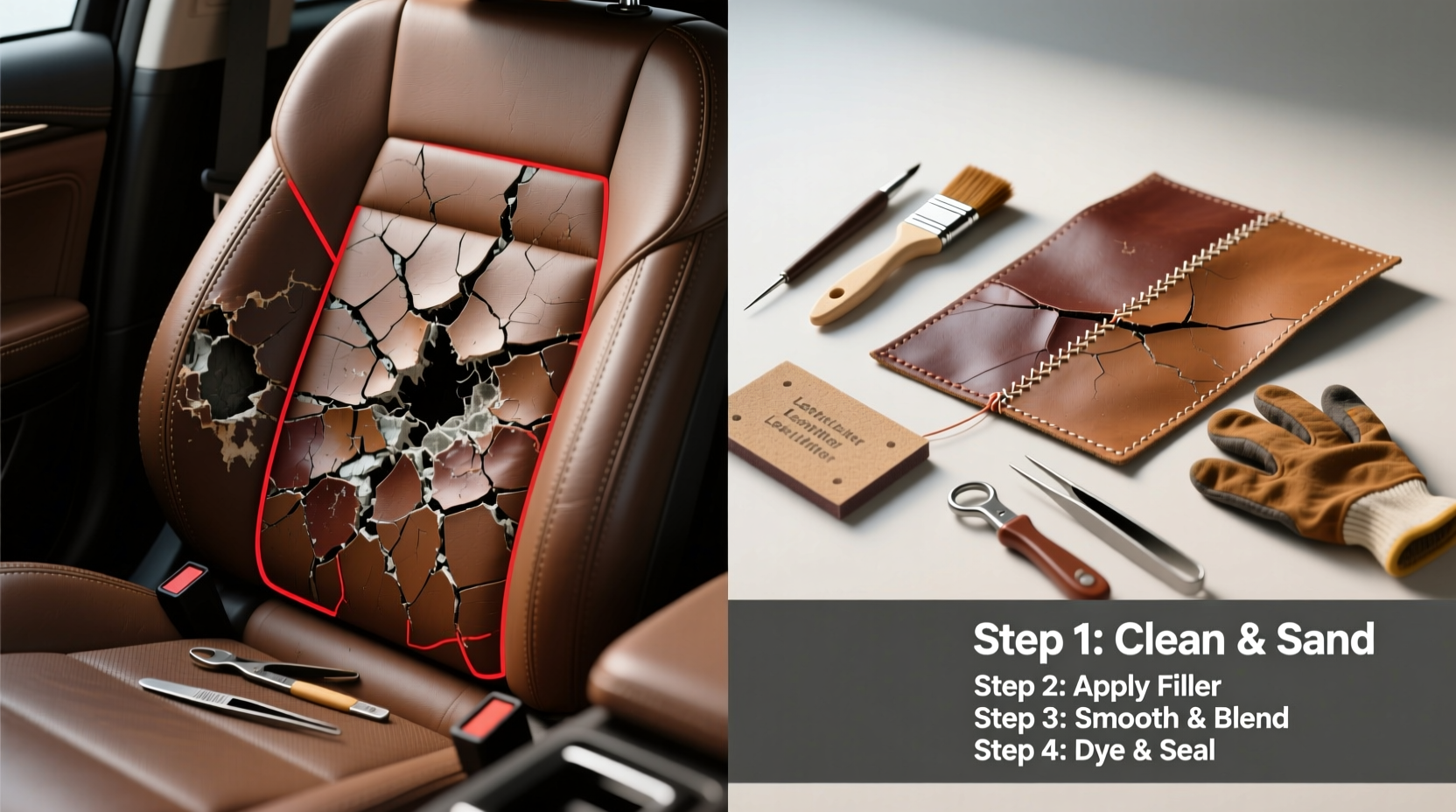
Some damage is beyond home care. Deep cracks, flaking, or dye loss may need pro repair.
Signs to call a pro:
- Deep, wide cracks that go through the leather.
- Large areas of flaking or peeling.
- Color loss that home products can’t fix.
Professional services can repair, recolor, or replace panels. Knowing limits prevents wasted time and further damage while trying to treat problems at home.
Frequently Asked Questions of How to clean leather car seats without cracking
How often should I clean leather car seats to prevent cracking?
Clean lightly every 1–3 months and condition every 3–6 months. Frequency can increase in dry or sunny climates.
Can I use household leather wipes on car seats?
Not all wipes are safe. Only use wipes labeled safe for automotive leather; many household wipes contain harsh chemicals.
What is the best temperature to clean leather seats?
Room temperature is best. Avoid cleaning in direct sun or extreme heat to prevent rapid drying and cracking.
Will conditioning darken my leather?
Some conditioners can slightly darken leather temporarily. Test on a hidden spot to check how it looks after drying.
Can I fix small cracks myself?
Minor surface cracks can improve with conditioning and filler kits. Deep cracks usually need professional repair for a long-term fix.
Conclusion
Proper cleaning for How to clean leather car seats without cracking is simple when you use the right products and steps. Clean gently, condition regularly, and avoid harsh tools or chemicals. Start small: test cleaners, vacuum first, and make conditioning a habit. Try these tips on your next cleaning session and protect your seats for years to come. If this guide helped, leave a comment, subscribe for more care tips, or share your own leather seat stories.