How Much Horsepower Does a Nascar Car Have: Revealed!
Have you ever stood near the fence at a racetrack? I have. It changes you. The ground shakes. Your teeth rattle. The air smells like burnt rubber and sweet fuel. It is wild.
But there is one question everyone asks me. “Mike, just how strong are these cars?”
You want to know about power. You want to know about speed. Specifically, how much horsepower does a NASCAR car have?
I am here to tell you. I have spent years watching these machines. I have talked to the mechanics. I have seen the engines apart.
The answer is not just one number. It changes.
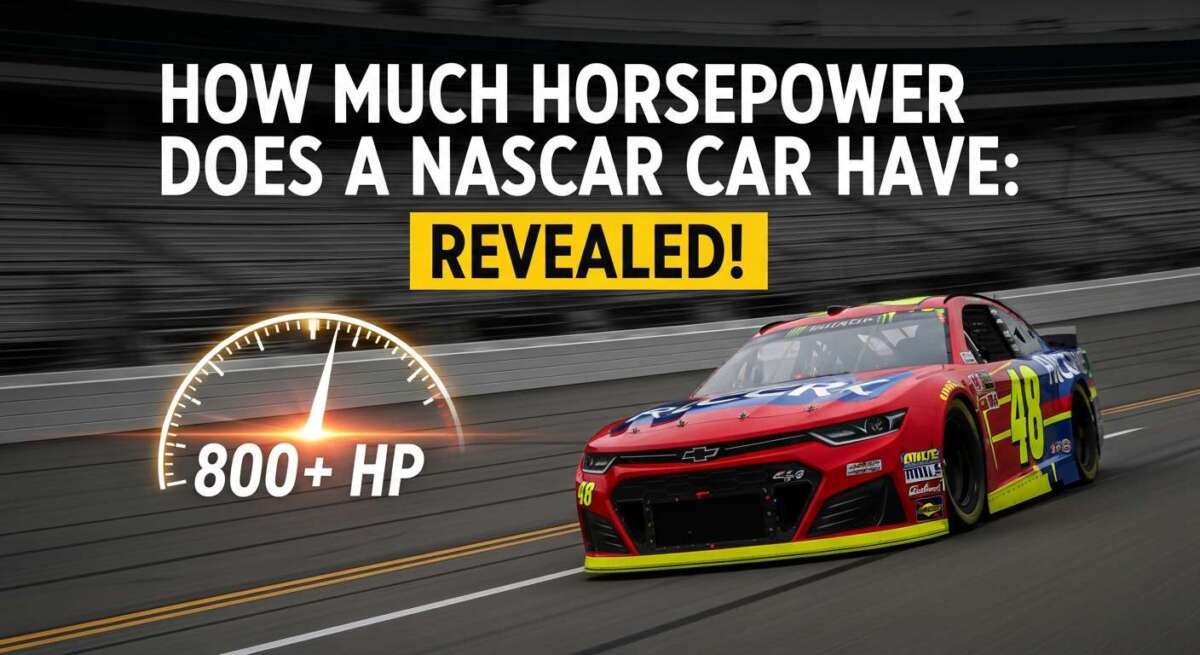
But, to give you a quick answer: A modern NASCAR Cup Series car usually has 670 horsepower.
However, it is not that simple. Sometimes it is less. It depends on the track. It depends on the rules.
Let’s dig in. I will explain it all. We will keep it simple. We will keep it fun.
The Short Answer: It Depends on the Track
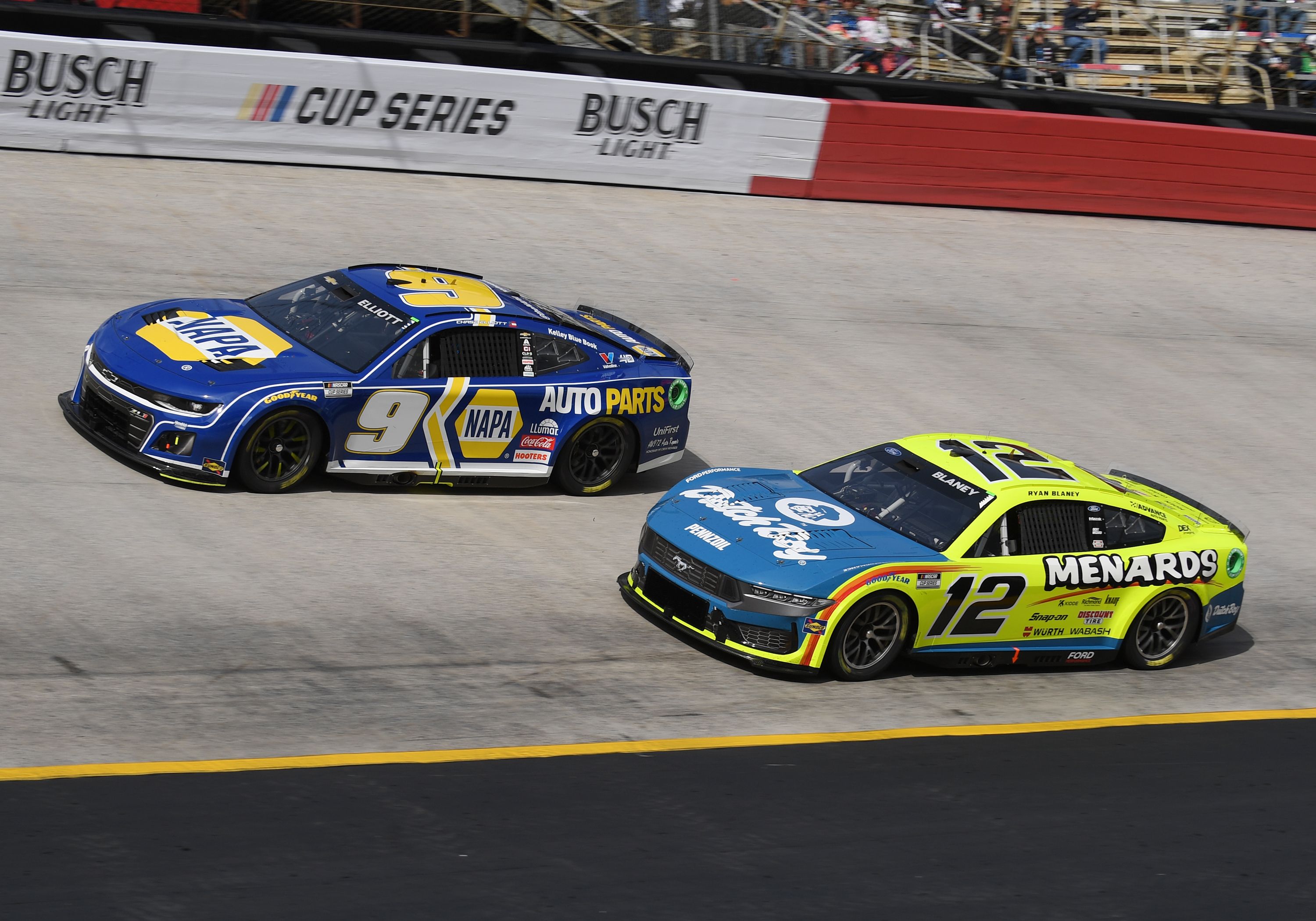
In 2026, the rules are strict. NASCAR wants close racing. They want safe racing. So, they change the power based on where they race.
There are two main “packages” for the NASCAR Next Gen engine specs.
1. The 670 Horsepower Package
This is the standard. They use this for most tracks.
- Short tracks (like Bristol or Martinsville).
- Road courses (like Watkins Glen).
- Most intermediate tracks (1.5-mile ovals).
At 670 horsepower, the car is hard to drive. The tires spin. The driver has to work hard. This makes the race exciting. We want to see them struggle a bit. It shows their skill.
2. The 510 Horsepower Package
This is for the big tracks. We call them Superspeedways.
- Daytona International Speedway.
- Talladega Superspeedway.
- Atlanta Motor Speedway.
Why less power here? Speed. If they had 670 horsepower at Daytona, they might fly. Literally. The cars would go too fast. They would lift off the ground if they spun out. So, NASCAR limits the power to keep them on the ground. It also keeps the pack close together.
Credit: www.autoweek.com
The Heart of the Beast: NASCAR Next Gen Engine Specs
Let’s look under the hood. What makes this power?
The engine is a beast. It is old-school tech mixed with new science.
- Type: V8 Engine (Pushrod).
- Size: 358 Cubic Inches (5.86 Liters).
- Air System: Naturally Aspirated (No turbos).
- Fuel System: Electronic Fuel Injection (EFI).
Wait. Did you think they used carburetors? Not anymore. They switched to EFI years ago. This makes the fuel burn better. It makes the engine more efficient.
My Experience at the Dyno Room
I remember a trip to a race shop in North Carolina a few years back. A “Dyno” is a machine that tests power. They bolt the engine to it.
The mechanic looked at me. He handed me ear muffs. “Put these on,” he said.
He hit the button. The V8 roared to life. It screamed. It went up to 9,000 RPM. The heat coming off the headers was intense. I could feel the sound waves hitting my chest. It was like being punched by noise.
That was raw power. That was 750 horsepower back then. Even at 670 today, it is scary loud.
Why Not More Power? The Tapered Spacer
You might ask, “Can they go faster?”
Yes. These engines could make 900 horsepower easily. But they don’t. Why?
NASCAR uses a part called a Tapered Spacer.
Think of a straw. If you breathe through a wide straw, it is easy. If you breathe through a tiny coffee stirrer, it is hard.
The engine is an air pump. More air means more power. The tapered spacer is like a restriction in the straw. It limits how much air gets into the engine.
- Big Holes in Spacer: More air. 670 HP.
- Small Holes in Spacer: Less air. 510 HP.
This is how they control the speed. It is simple. It is cheap. And it works.
Tapered Spacer vs. Restrictor Plate
In the old days, they used a “Restrictor Plate.” It was a flat metal plate with holes. It messed up the airflow. The throttle response was bad.
The Tapered Spacer is shaped like a funnel. The air flows smoothly. The drivers like it better. It gives them more control.
Horsepower by Track Type: The Breakdown
Let’s break it down further. The track dictates the power.
| Track Type | Example | Horsepower Target | Goal |
| Short Track | Martinsville | 670 HP | High torque off corners. |
| Road Course | COTA | 670 HP | Fast acceleration. |
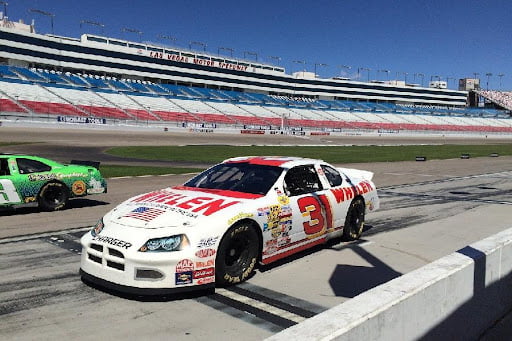
| Intermediate | Las Vegas | 670 HP | Speed and handling balance. |
| Superspeedway | Daytona | 510 HP | Safety and pack racing. |
NASCAR top speed mph changes with these numbers.
At Michigan (a fast track), they can hit 200 mph at the end of the straight.
At Martinsville, they might only top out at 140 mph.
Credit: www.snaplap.net
Torque vs. Horsepower: What Moves the Car?
Horsepower gets the glory. But torque does the work.
Torque is the twisting force. It is what pushes you back in your seat when you step on the gas.
A NASCAR engine has massive torque.
- Torque: About 500 to 550 lb-ft.
Why does this matter?
Imagine a restart. The cars are bunched up. The green flag waves. The driver slams the gas. The torque shoots the car forward.
If they had low torque, the restart would be slow. NASCAR needs that instant jump.
Also, the new Next Gen car has a 5-speed sequential gearbox. This helps keep the engine in the “sweet spot” of power.
A Day in the Pits: The Heat and The Noise
I want to share another story. It helps you understand the power.
I was in the pits during a hot summer race. I was standing behind a pit box. The cars came in for tires.
The heat is the first thing you notice. The engines are running at 200 degrees or more. The brakes are glowing red.
When the car launches out of the box, it spins the tires. The smell of burning rubber fills your nose.
I asked a crew chief once, “Does the driver feel the difference between 550 and 670 horsepower?”
He laughed. “Oh yeah. At 670, the car wants to kill you. At 550, you can flat foot it. The driver has to respect the 670 package.”
That is the key. The horsepower demands respect.
Evolution of Speed: A History of NASCAR Power
NASCAR has changed a lot.
1. The Early Days (1950s-1970s)
Cars were basically stock. They had maybe 300 horsepower. Mechanics tweaked them in barns.
2. The Power War (1980s-1990s)
Teams hired engineers. They found ways to make big power. By the late 90s, cars were making over 800 horsepower. They were hitting 212 mph at Talladega. It was too fast. It was dangerous.
3. The Restriction Era
NASCAR stepped in. They added plates. They slowed the cars down.
4. The Next Gen Era (Now)
We are in a good spot. 670 horsepower is a sweet spot. It is fast enough to be scary. But it is slow enough to be safe.
Credit: www.snaplap.net
NASCAR vs. The World: Comparing Horsepower
How does a stock car compare to other race cars? Or your own car?
Let’s look at the numbers.
NASCAR vs. Formula 1
- NASCAR: ~670 HP. Heavy (3,400 lbs).
- Formula 1: ~1,000 HP (with hybrid). Light (1,700 lbs).
F1 cars are faster. They accelerate quicker. But NASCAR cars are tanks. They can bang doors. They can hit the wall and keep going.
NASCAR vs. IndyCar
- NASCAR: ~670 HP.
- IndyCar: ~700 HP (boosted).
They are close in power. But IndyCars are much lighter.
NASCAR vs. Your Car (Camry TRD)
- NASCAR Camry: 670 HP. Rear Wheel Drive. V8.
- Street Camry TRD: 301 HP. Front Wheel Drive. V6.
Your car is nice. But the race car is a monster. It has more than double the power.
The Price of Power: What Does an Engine Cost?
You cannot buy these engines at a dealership.
They are custom built. Teams like Hendrick Motorsports or Joe Gibbs Racing build them. Or they lease them from a specialist like Roush Yates.
Cost estimate: An engine can cost over $100,000.
Just for one engine!
And they don’t last long.
NASCAR V8 engine cost is high because they are disposable. They run one race. Maybe two. Then they are rebuilt.
The parts are expensive. Titanium valves. Custom pistons. It adds up.
The Future: Is Hybrid Coming?
It is 2026. The world is changing. Will NASCAR go electric?
Not fully. Not yet. The fans love the noise. The V8 rumble is part of the sport.
But, there are rumors. We might see a hybrid system soon.
Imagine a small electric motor added to the V8.
- It could add 100 horsepower for passing.
- Like a “push-to-pass” button.
- It would help save fuel under caution.
This would be cool. It keeps the V8 noise. But it adds new tech.
Why We Love The Horsepower
So, how much horsepower does a NASCAR car have? 670.
But it is more than a number.
It is the sound.
It is the speed.
It is the danger.
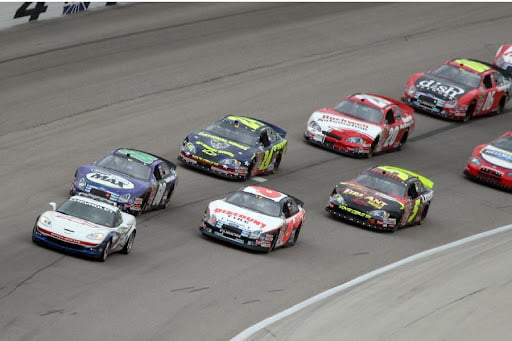
When 40 cars go into Turn 1, that is over 26,000 horsepower all at once. The ground shakes. The crowd cheers.
That is why we watch.
If you ever get the chance, go to a race. Stand by the fence. Feel the power for yourself. You will never forget it.
Frequently Asked Questions (FAQ)
Do all NASCAR cars have the same engine?
No, they do not. Ford, Chevrolet, and Toyota build their own engines. However, they must all follow the exact same rules. They must be the same size and shape. NASCAR checks them closely to ensure no one cheats.
What is the top speed of a NASCAR car in 2026?
On a long track like Michigan International Speedway, a NASCAR car can hit about 200 mph. On smaller tracks, the top speed is much lower. At Martinsville, they might only reach 130 or 140 mph on the straights.
Why did NASCAR reduce horsepower from the 2000s?
They lowered it for two reasons: safety and money. Cars going 210 mph were dangerous if they crashed. Also, building engines that fast was very expensive. Lowering the power saves money for the race teams.
Does a NASCAR car use a turbo?
No, NASCAR engines are “naturally aspirated.” This means they use regular air pressure. They do not use turbos or superchargers. This keeps the engine simpler and the throttle response instant for the drivers.
How much horsepower does an Xfinity car have?
The Xfinity Series cars usually have about 650 to 700 horsepower. Sometimes, they actually have slightly more power than the Cup cars on certain tracks. However, the Xfinity cars have different aerodynamics and are harder to handle.
What fuel does a NASCAR car use?
NASCAR cars use Sunoco Green E15 fuel. This is a racing fuel. It is 98 octane. It contains 15% ethanol. It burns clean and helps make good power. It is different from the gas at your local station.