Where to Put Coolant in Car: Essential Guide
Imagine this scenario. You are driving down the highway. The music is loud. The sun is shining. Suddenly, you look down. A red light glows on your dashboard. The temperature needle climbs high. Steam starts to rise from the hood.
Your heart beats fast. Panic sets in. You know you need coolant. But where does it go?
Do not worry. You are not alone. I have been there too. Knowing where to put coolant in car is a basic skill. It is vital for every driver. It saves money. It saves time. Most importantly, it keeps you safe.
This guide is for you. We will keep it simple. We will keep it safe. By the end, you will be an expert. Let’s dive in.
The Quick Answer
Are you in a rush? Here is the short answer.
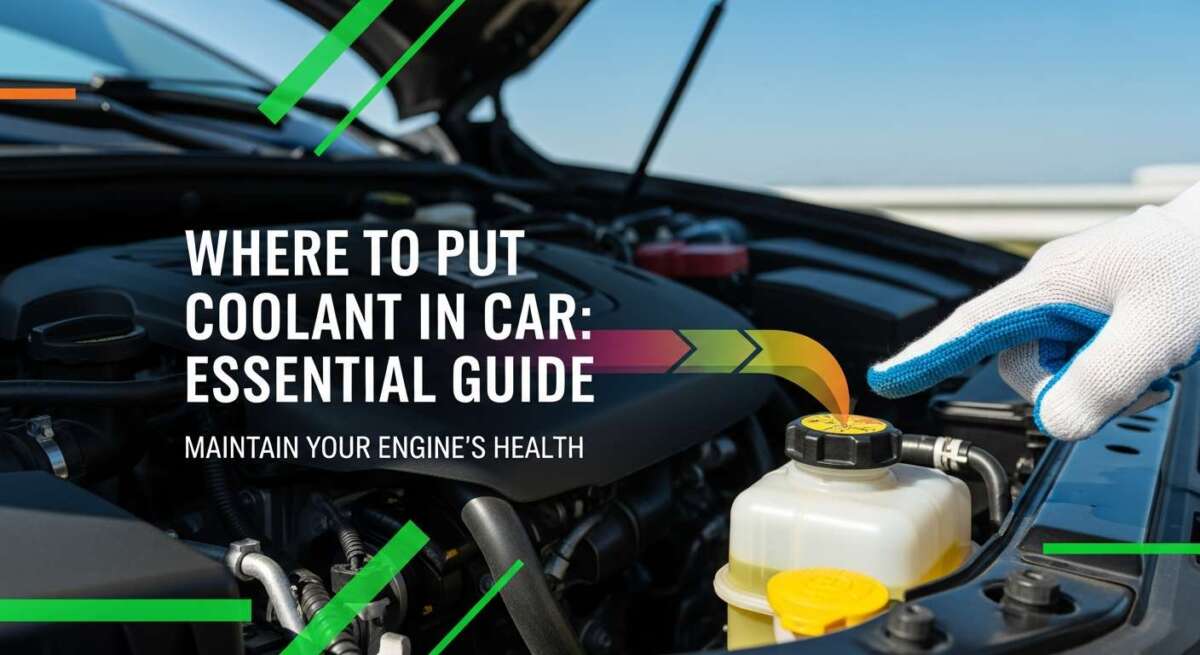
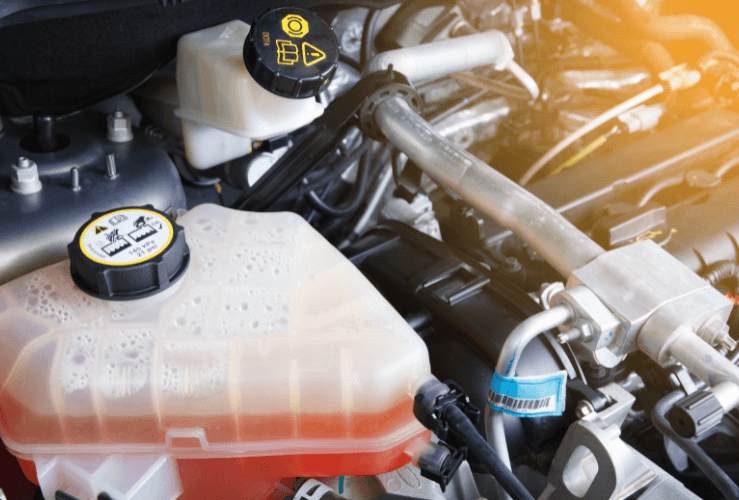
Look under the hood. Find a plastic tank. It is usually clear or white. It holds colored liquid. This is the coolant reservoir. It has lines on the side. One says “MIN.” One says “MAX.” You put the coolant in there.
But wait! Never open it while it is hot. Read on to do this safely.
A Lesson From the Road: My Burning Mistake
I want to share a story. It happened years ago. I was young. I drove an old sedan. It was a hot day in Nevada. My car started to get hot. I pulled over. I was in a hurry. I popped the hood. I saw the radiator cap. I reached out to twist it off.
Luckily, an older truck driver stopped. He yelled, “Stop!”
He ran over. He told me to touch the hose first. It was rock hard. It was hot. If I had opened that cap, hot water would have sprayed on me. I would have been burned.
That day, I learned a lesson. Patience is key. Never rush the cooling system. Since then, I treat the engine with respect. I want you to do the same.
What is Coolant Anyway?
Before we pour, let’s learn. What is this stuff?
Your engine burns gas. This makes heat. A lot of heat. If the heat stays, metal melts. The engine breaks.
Coolant is a liquid helper. It moves through the engine. It grabs the heat. Then, it goes to the radiator. The radiator uses air to cool the liquid down. Then, the liquid goes back to the engine. It is a circle of life for your car.
Coolant vs Antifreeze
You might hear two names. Are they the same? Yes and no.
- Antifreeze is the raw chemical. It is usually ethylene glycol. It stops freezing. It stops boiling.
- Coolant is the mix. It is antifreeze plus water. Usually, it is a 50/50 mix.
So, when we say “add coolant,” we mean the mix.
Credit: www.startrescue.co.uk
Safety First: The Golden Rules
Safety is our top priority. Please read this carefully.
Rule 1: The engine must be cool.
Park the car. Turn it off. Wait at least 30 minutes. The hood should feel cool.
Rule 2: Protect your hands.
Use a rag. Use gloves. Even if it feels cool, be safe.
Rule 3: Protect your eyes.
Fluids can splash. Wear glasses if you can.
Rule 4: Squeeze the hose.
Find the big rubber hose near the radiator. Squeeze it. Is it hard? Is it hot? If yes, wait longer. It is under pressure. Pressure burns.
Step-by-Step: Where to Put Coolant in Car
Ready? Let’s get your hands dirty. Well, not too dirty.
Step 1: Prep Your Car
Park on flat ground. Do not park on a hill. A hill messes up the level check. Turn off the engine. Set the parking brake.
Step 2: Pop the Hood
Go to the driver’s seat. Pull the lever. Go to the front of the car. Find the latch. Lift the hood. Use the rod to hold it up.
Step 3: Find the Coolant Reservoir
Look around the engine bay. You are looking for a plastic jug. It is semi-transparent. You can see liquid inside.
- The Symbol: Look for a cap. It might have a coolant reservoir symbol. It looks like a thermometer in waves. Or it might say “Engine Coolant.”
- The Location: It is usually near the side. Sometimes it is near the windshield.
Step 4: Check the Level
Look at the side of the tank. Do not open it yet.
- Do you see a line that says “FULL” or “MAX”?
- Do you see a line that says “LOW” or “MIN”?
The liquid should be between these lines. If it is below the “MIN” line, you need to add more.
Step 5: Pick the Right Fluid
This is vital. Types of car coolant vary.
- Is your coolant green?
- Is it orange?
- Is it pink?
- Is it blue?
Buy the same color. Check your owner’s manual. Mixing types is bad. It can turn into gel. Gel clogs the engine. If you are unsure, buy “Universal Coolant.” It works with all colors.
Step 6: The Pour
Get a funnel. This prevents spills.
- Slowly twist the cap off. If you hear a hiss, stop. Wait. Let the pressure go.
- Once off, put the funnel in.
- Pour the 50/50 mix slowly.
- Watch the line. Stop when it hits the “MAX” line.
- Do not overfill. The liquid needs room to expand.
Step 7: Close Up
Twist the cap back on. Make it tight. If it clicks, let it click. Wipe up any drops. Close the hood. You are done!
Reservoir vs. Radiator: Where Does It Go?
This confuses many people. There are two caps. One is plastic (the reservoir). One is metal (the radiator). Which one do you use?
The Reservoir (Plastic Tank)
Use this 99% of the time. It is for maintenance. It is for topping off. It is safer.
The Radiator (Metal Cap)
Only use this if the system is empty. Maybe you replaced a part. Maybe you drained the system. If the plastic tank is empty, check the radiator too. But be careful. The metal cap holds high pressure. Never open this hot.
My Advice: Stick to the plastic tank. It is easier. It feeds the radiator automatically.
How to Check Coolant Level Correctly
You should check this often. Do not wait for smoke. Check it when you get gas. Check it before a road trip.
The Visual Check
You do not need tools. Just look. Is the liquid near the top mark? Good. Is it low? Add some.
The Quality Check
Look at the color.
- Bright and clear? Good.
- Rusty or brown? Bad. This means rust.
- Milky or oil-mixed? Very bad. This means a leak inside the engine.
If it looks dirty, adding more won’t help. You need a flush.
Signs You Have a Problem
Sometimes, adding fluid is not enough. Your car might talk to you. Listen to it.
1. The Sweet Smell
Do you smell maple syrup? Is it coming from the car? This is coolant. It smells sweet. If you smell it, you have a leak. It might be a hose. It might be the radiator.
2. Puddles
Look under the car. Do you see a puddle? Is it green or orange? That is a leak.
3. Wet Floor Mats
This is a weird one. Feel the floor on the passenger side. Is it wet? Is it slimy? This means the heater core is leaking. It is a big job to fix.
4. White Smoke
Look at the tailpipe. Do you see thick white smoke? Does it smell sweet? This is a blown head gasket. The engine is burning the fluid. This is serious. Stop driving. Call a mechanic.
Car Overheating: What to Do?
It happens. You are stuck in traffic. The gauge goes red. Car overheating what to do?
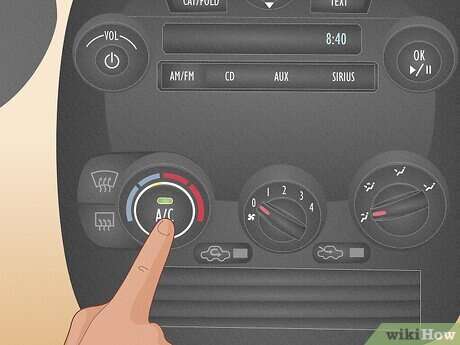
Step 1: Turn off the AC.
The AC makes the engine work hard. Kill it.
Step 2: Turn ON the Heater.
I know. It is hot outside. You do not want heat. But do it. Blast the heat. The heater pulls heat from the engine. It helps cool it down.
Step 3: Pull Over.
Do not keep driving. Find a safe spot. Stop the car. Turn it off.
Step 4: Open the Hood.
Let the heat escape. But do not touch anything. Just let it air out.
Step 5: Wait.
Wait at least 30 minutes. Maybe an hour. Do not open the cap until it is cool.
Environmental Responsibility
We must care for our planet. Coolant is toxic.
The Pet Danger
Remember the sweet smell? Animals love it. Dogs will lick it. Cats will lick it. It is poison. Even a little bit can kill a pet.
- Never leave a spill.
- Wipe it up with paper towels.
- Wash the spot with water.
Disposal
Do not pour old fluid in the drain. Do not pour it on the grass. Put it in a bottle. Take it to an auto parts store. They recycle it for free.
Advanced Tip: Burping the System
Here is an expert tip. Sometimes, air gets trapped. Air bubbles get hot. They cause spikes in temperature.
After you fill the car, you need to “burp” it.
- Leave the cap off (only if the engine is cold!).
- Start the engine.
- Let it run for a few minutes.
- Turn the heater on max.
- Watch the hole. You might see bubbles. The level might drop.
- Add more fluid if it drops.
- Put the cap back on.
This gets the air out. It makes the system work better.

Credit: www.reddit.com
Conclusion: You Got This
You now know where to put coolant in car. It is not scary. It is a plastic tank. It has lines. You just pour.
Remember my story in the desert. Respect the heat. Take your time. Check your fluids often. A happy car takes you places. An unhappy car leaves you stranded.
Go out to your car today. Pop the hood. Find the tank. Check the level. You will feel good knowing you are ready. Safe driving, my friend!
Frequently Asked Questions (FAQ)
Can I use water instead of coolant?
In an emergency, yes. You can use water to get home. But do not leave it there. Water freezes. Water boils. Water causes rust. You must flush it and add real coolant soon. Distilled water is best. Tap water has minerals that clog the radiator.
How often should I check my coolant?
Check it once a month. It takes two seconds. Also, check it before any long trip. If you see it dropping often, you have a leak. Cars do not “use up” fluid like gas. It should stay full.
Can I mix different colors of coolant?
No. Try not to. Green is different from orange. Mixing them can make a thick sludge. This sludge blocks the flow. If you are in a pinch, use “Universal” yellow fluid. It is made to mix safely.
What if I overfill the tank?
It is usually okay. The tank has an overflow tube. The extra fluid will pour out when it gets hot. It goes onto the road. It makes a mess. It is bad for animals. But it won’t break your engine. Just try to stay at the “MAX” line.
Why is my coolant boiling?
This means the system is not holding pressure. It could be a bad cap. The cap holds pressure to raise the boiling point. If the seal is bad, the liquid boils. Replace the cap. It is cheap and easy.
Is coolant the same as oil?
No! Never put this in the engine oil hole. Never put oil in the radiator. They must stay separate. If they mix, the engine is ruined. The oil cap says “Oil.” The coolant cap says “Coolant.” Double-check before you pour.