
Do It Yourself Car Washes near Me: Discover Local Gems
Imagine this. It is a sunny Saturday morning. You walk outside. You look at your car. Is it shining? Or is it covered in a layer of gray dust and mud?
We have all been there. You love your car. I know I love mine. There is a special feeling you get when you drive a clean car. You feel proud. You feel confident. The car runs better. Okay, maybe it just feels like it runs better. But that counts, right?
You want that shine. But you do not want to pay fifty dollars at a fancy detail shop. You also do not want those big, scary machines at the automatic wash slapping your paint with dirty brushes.
So, you pick up your phone. You type in: Do it yourself car washes near me.
That is why you are here. You want to take control. You want to save money. You want to do it right.
I have spent years detailing cars. I have washed everything from muddy trucks to classic sports cars. I have learned a lot. I have made mistakes, too. I want to share those lessons with you.
In this guide, we will find the best local spots. I will teach you how to use them. We will talk about tools. We will talk about secrets to get a perfect shine.
Are you ready? Let’s clean that car.
Understanding the Self-Service Car Wash
First, let’s be clear on what we are looking for.
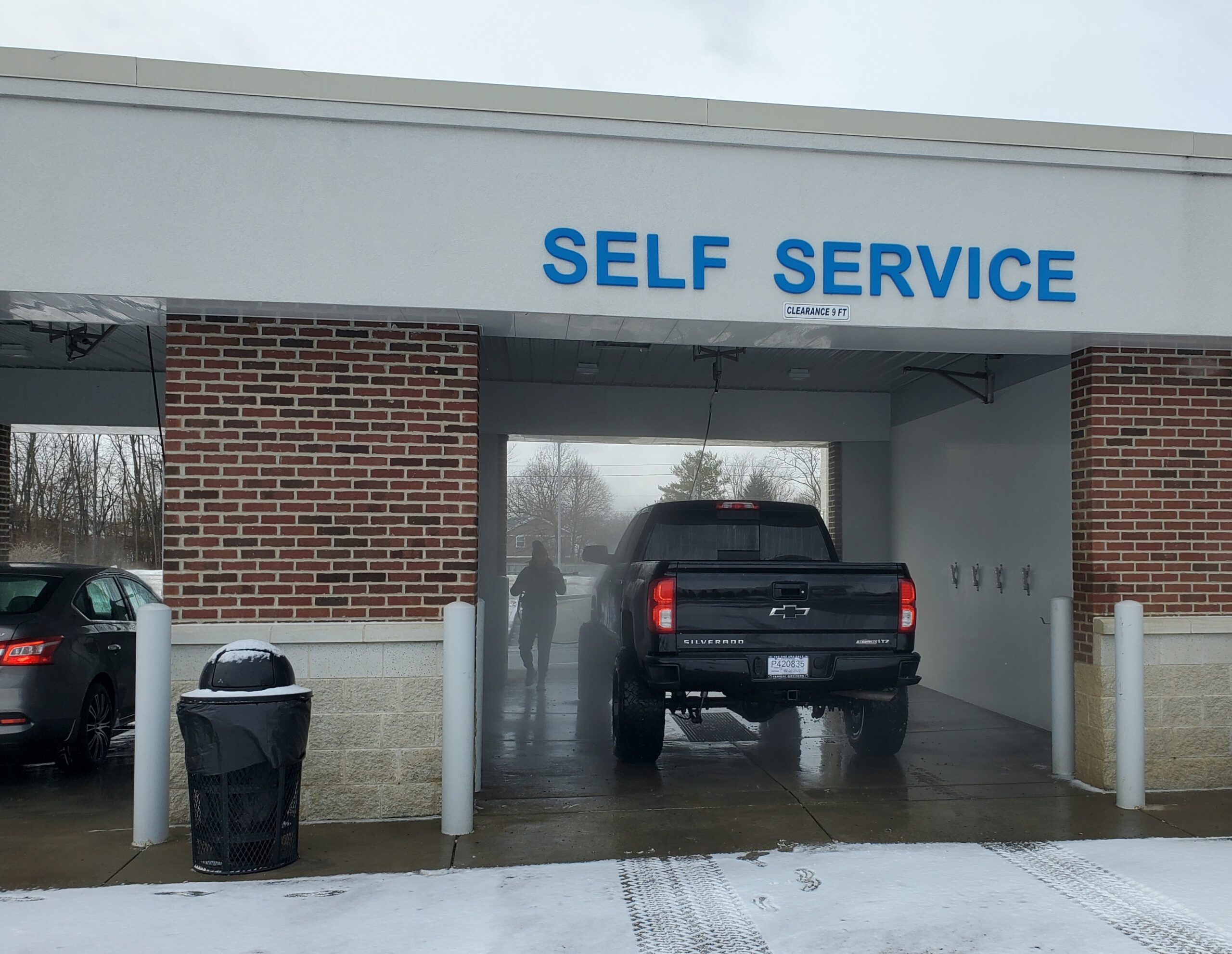
When you search for do it yourself car washes near me, you usually find “coin-operated” washes. These are the places with the big open bays. They have a wand sprayer. They have a foamy brush. You put in quarters or swipe a card. The machine turns on. You do the work.
Why go here instead of your driveway?
- High Pressure: Their hoses are strong. They blast away mud that your garden hose cannot move.
- Shade: Most bays have a roof. This keeps the sun off the paint while you wash.
- Drainage: The dirty water goes into a drain, not your lawn.
- Winter Use: In the winter, you cannot wash at home. The hose freezes. These bays use warm water.
I used to wash my car in my driveway. Then I moved to an apartment. I lost my hose. I had to find a local bay. At first, I was scared. I didn’t know the settings. I didn’t know the etiquette.
But now? I love them. It is just me and the car. It is therapy.
Credit: bradscarwash.com
Locating the Best DIY Car Washes near Me
Finding a spot is easy. Finding a good spot is hard.
You can use Google Maps. Just type in the keywords. But look closely at the results.
What to Look For
I look for a few specific things when I scout a new location:
- Lighting: Is it bright? Good lights mean safety. It also means you can see the dirt.
- Clean Bays: Look at the floor. Is it covered in mud? If the owner does not clean the bay, the equipment might be broken.
- Credit Card Readers: Coins are heavy. A card reader is a sign of a modern, updated facility.
- The Crowd: Are there car enthusiasts there? If you see a guy carefully drying a Corvette, you found a good spot.
What to Avoid
If you see rusty pipes, run away. If the brush looks like a dead animal, leave. If the trash cans are overflowing, go to the next town.
I once stopped at a run-down wash in the middle of nowhere. The pressure was low. The soap was empty. It ate my quarters. I learned my lesson. Read the reviews first. Look for find local car wash bays that have high ratings.
The “Pro” Kit: What to Bring With You
Here is a secret. The equipment at the car wash is okay. But it is not great.
To get a pro-level clean, you need to bring your own gear.
My “Foam Brush of Doom” Story
Let me tell you a quick story. Years ago, I took my black sedan to a wash. I was in a hurry. I grabbed the foaming brush from the wall. I started scrubbing.
I felt good. Lots of foam. Lots of bubbles.
Then I rinsed the car. I saw them. Hundreds of tiny scratches. Swirl marks everywhere.
Why? The guy before me washed his muddy Jeep. The brush was full of sand. I rubbed that sand all over my paint. It cost me $300 to fix.
Actionable Tip: Never touch your paint with the bay brush unless you clean it first. Better yet, do not use it at all.
Your Packing List
Here is what I bring in my trunk:
- Two Buckets: One for soap, one for rinse water.
- Car Shampoo: High quality. pH neutral.
- Wash Mitt: Microfiber or lambswool.
- Drying Towel: A big, twisted-loop microfiber towel.
- Wheel Cleaner: A spray bottle for the rims.
This kit changes everything. You use their water, but your tools. This is one of the best car detailing tips for beginners.
Master the Dial: A Step-by-Step Process
You pulled into the bay. You have your bucket. You have your coins. What now?
The dial on the machine can be confusing. Let’s break it down.
Step 1: The Setup
Park in the center. Give yourself room to walk around.
Take out your floor mats. Clip them to the wall if there are clips.
Spray your wheels with your own wheel cleaner. Let it sit for a minute.
Step 2: High-Pressure Rinse
Put in your money. Turn the dial to “Rinse” or “High Pressure Soap.”
Blast the car. Start at the top. Go down.
Get the wheel wells. Get the bugs off the bumper.
Blast the floor mats.
The goal here is to knock off the big chunks. Do not scrub yet. Just spray.
Step 3: The Bucket Fill
This is a pro move. Turn the dial to “Rinse.” Put the wand in your bucket. Fill it up.
Now you have clean water. Add your own soap.
Use the wand to mix it up. Foam it up.
Step 4: The Contact Wash (The Pause)
Here is the trick. If the line is not long, I stop the timer.
I use my mitt and my bucket. I hand wash the car.
I know the dirt is gone because I sprayed it. Now I am removing the film.
Note: If the wash is busy, do not stop the timer. Be polite. Keep moving.
Step 5: The Final Rinse
Turn the machine back on. Rinse off all the soap.
Make sure you get the roof. Soap likes to hide there.
Step 6: The Spot-Free Rinse
This is the most important setting.
Turn the dial to Spot-Free Rinse.
This water is filtered. It has no minerals. It will not leave white spots.
Go slow. Use low pressure. Mist the whole car.
This is the ultimate coin-operated car wash guide method. It works every time.

Credit: m.yelp.com
Washing Like a Pro: The Two-Bucket Method
I mentioned two buckets earlier. Why two?
One bucket has your soapy water.
The other bucket has plain water.
Here is how you do it:
- Dip your mitt in the soap.
- Wash a panel (like the hood).
- Dip the dirty mitt in the plain water bucket.
- Rub it against the bottom. The dirt falls off.
- Go back to the soap bucket.
This keeps your soap clean. It keeps grit off your mitt. It saves your paint.
If you only use one bucket, you are putting dirt back onto the car. That causes scratches. It is a simple change, but it makes a huge difference.
The Art of Drying: No More Water Spots
You are done washing. The timer beeped. The water shut off.
Do not drive away yet!
If you drive off wet, dust will stick to the water. Your car will be dirty in five minutes.
Also, the sun will dry the water drops. This leaves hard spots.
The Drag Method
Take your big drying towel.
Open it up. Lay it flat on the hood.
Grab two corners. Pull it towards you slowly.
The towel drinks the water. It leaves no streaks.
Do not scrub. Just drag.
Wring it out if it gets heavy.
Check the door jams. Water hides there. Open the doors and wipe the edges.
Now, step back. Look at that shine. You did that.
Don’t Wreck Your Paint: Mistakes to Watch For
I want you to succeed. So, please avoid these common traps.
The Dish Soap Myth
You might think, “Soap is soap, right?”
Wrong.
Dish soap is made to strip grease off pans. It is very strong.
If you use it on a car, it strips off the wax. It dries out the rubber seals. It makes the plastic turn gray.
Expertise Check: Always use a car-specific shampoo. It is pH balanced. It cleans gently. It keeps your wax safe.
The Engine Bay
Be careful cleaning the engine.
The high-pressure wand is dangerous here.
You can force water into the electrical plugs. The car might not start.
If you wash the engine, keep the engine running. Use low pressure. Cover the alternator with a bag.
Ignoring the Wind
Is it a windy day?
Be careful. The wind blows sand onto your wet car. If you wipe it, you scratch it.
If it is very windy, skip the dry step. Just use the spot-free rinse and drive home slowly.
Driveway vs. Car Wash Bay: Which is Better?
You might still be wondering if you should just hand wash car at home.
Let’s compare them.
At Home
- Pros: It is free. You have all your supplies. You can take your time.
- Cons: You use a lot of water. The hose pressure is low. The sun might be hot.
At the Bay
- Pros: High pressure cleans better. The drain captures the mess. Spot-free water is available.
- Cons: It costs money. You might feel rushed. You have to drive there.
I do both. In the summer, I like the driveway. It is relaxing.
In the winter or after a muddy trip, I go to the bay. I need that high pressure.
Seasonal Car Washing Tips
Cars need different care in different seasons.
Winter Washing
Salt is the enemy. It eats metal. It causes rust.
When you go to the DIY wash in winter, focus on the bottom.
Get on your knees. Spray the underside of the car. Spray the wheel wells.
Get that salt off.
Do not worry about drying the car perfectly. It will get dirty again. Just get the salt off.
Summer Washing
Bugs and bird poop are the enemies.
They have acid. They burn the paint.
Soak them first. Let the soap sit on the bugs for a minute.
Do not scrub hard. They will come off.
Also, never wash a hot car. If the hood burns your hand, it is too hot. The soap will dry instantly. It will leave stains. Wait for it to cool down.
Is It Worth the Money?
Let’s talk cash.
A specialized car wash might cost $4 to $10 in coins.
Supplies might cost you $2 per wash (if you buy a big bottle of soap).
So, a DIY wash is maybe $8 to $12.
An automatic wash is $15 to $20.
A professional detail is $150+.
Yes, it is worth it.
You save money. But more importantly, you save your paint.
Automatic washes scratch cars. They use dirty brushes.
By doing it yourself, you keep the car looking new. When you sell the car later, good paint is worth thousands.
So, investing $10 and an hour of your time pays off.
Frequently Asked Questions
What if I do not have a bucket?
If you forget your bucket, you can use the bay’s brush. But please, spray it out first. Blast the bristles with high pressure for 30 seconds. This cleans out the sand from the last truck. Use lots of foam. Press lightly.
How do I get change for the machine?
Most car washes have a change machine. It turns $1, $5, and $10 bills into quarters. However, many modern washes now have card readers right in the bay. I keep a roll of quarters in my glove box just in case.
Can I wax my car at the DIY wash?
Yes, you can. The dial usually has a “High Pressure Wax” setting. It sprays a liquid wax. It is not as good as hand wax, but it helps. It helps the water bead up. It adds a little shine.
How long does it take to wash a car yourself?
It depends on how dirty it is. A quick rinse takes 5 minutes. A full two-bucket hand wash takes about 30 to 45 minutes. If you wax and dry it, plan for an hour.
Is it okay to wash the engine?
Yes, but be careful. Use the “Engine Cleaner” or “Tire Cleaner” setting. It cuts grease. Rinse with low pressure. Avoid the fuse box and the alternator. Do not do it while the engine is super hot.
Why are there spots on my car after washing?
These are water spots. They come from minerals in the water (calcium). When the water evaporates, the rock stays behind. Use the “Spot-Free Rinse” setting at the end. It uses filtered water to prevent this.
Conclusion
We have covered a lot today. We talked about finding the hidden gems in your town. We talked about the dangers of the foam brush. We learned the two-bucket method.
You now have the knowledge. You are no longer a rookie. You are a DIY car wash pro.
Next time you see a sunny day, grab your bucket. Find a local spot. Put on some music. Enjoy the process.
There is nothing quite like stepping back and seeing your reflection in the hood.
So, go ahead. Search for do it yourself car washes near me. Find your spot. Make it shine.
You got this!