Does Home Depot Make Car Keys With Chips: Unlocking Options
Have you ever stared at your car key and felt a sudden wave of panic? Maybe you only have one left. Or perhaps, like me, you dropped your spare key down a storm drain. It happens. We are only human.
Losing a car key is stressful. It ruins your day. It hurts your wallet. But, it does not have to be a disaster.
In the past, a lost key meant a metal cutter. It was cheap. It was easy. But cars changed. They got smarter. Now, keys have brains. They have chips.
You need a new key. You see a Home Depot sign. You wonder, “Does Home Depot make car keys with chips?”
The short answer is: Yes, they usually can. But, there is a catch. They cannot do every car. They cannot do every key.
I have been there. I have tested their service. I want to save you time. I want to save you money. In this guide, I will share everything. I will tell you about costs. I will explain the tech. I will tell you exactly what to do.
Let’s get that key fixed.
Understanding Car Keys with Chips (Transponder Keys)
Before we drive to the store, we must learn a bit. Why is this key different? Why does it cost more than a house key?
It is all about security.
What is a Transponder Chip?
Hold your car key. Look at the black plastic head. Inside that plastic, there is a secret. It is a tiny glass tube. Or, sometimes, a black wedge.
This is the Transponder Chip.
It uses RFID technology. That stands for Radio Frequency Identification. It is like the chip in a pet. It is passive. It has no battery. It waits for a signal.
Old keys were just metal. If the metal fit the lock, the car started. This was easy for thieves. They could force the lock.
Car makers wanted to stop this. So, in the 1990s, they added chips. Now, the key is a password.
How the Chip Talks to Your Car
Imagine your car has a question. The question is, “Are you the right owner?”
When you put the key in the ignition, the car wakes up. A coil around the lock sends out a burst of energy. This energy hits the key.
The chip in the key wakes up. It catches the energy. Then, it shouts back a code. It is a digital code.
The car’s computer listens. It checks the code.
- If the code matches: The engine starts. You drive away.
- If the code fails: The engine spins, but it will not start. The fuel is cut off.
This happens in less than a second. You do not see it. But it keeps your car safe.
This is why you cannot just cut the metal. A metal copy will open the door. But it will not start the engine. You need the chip.
Types of Car Keys
Not all keys are the same. Home Depot can help with some. They cannot help with others. We need to know the difference.
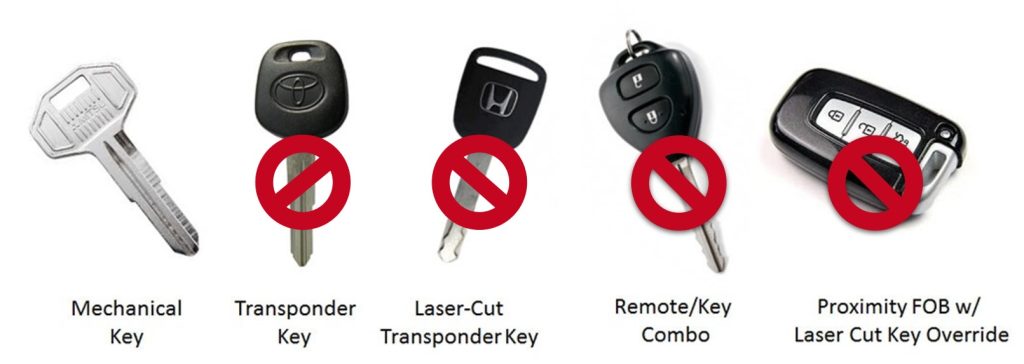
- Basic Metal Keys: These are for old cars. Usually before 1995. They have no chip. Home Depot can copy these easily. It costs a few dollars.
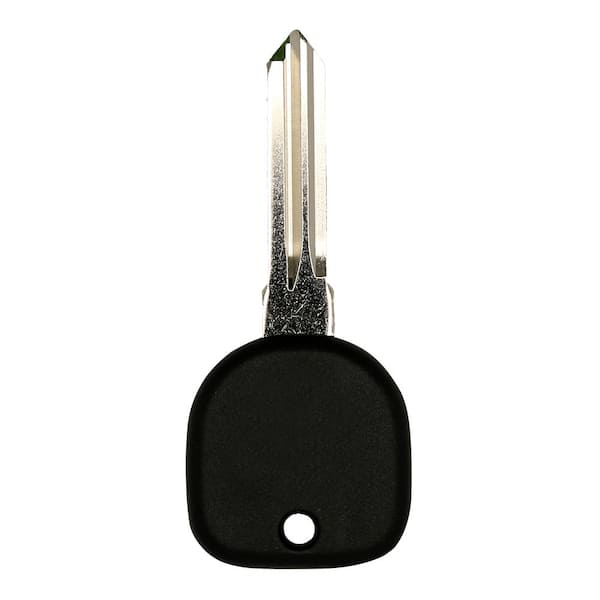
- Transponder Keys: These look like metal keys but have a plastic head. The chip is inside. This is what we are talking about today. Home Depot handles many of these.
- Laser-Cut / Sidewinder Keys: Look at the metal blade. Is it flat with a squiggle cut down the middle? That is a laser key. They are thicker. They are harder to cut. Home Depot often struggles with these.
- Smart Keys & Fobs: These are for push-to-start cars. You keep them in your pocket. They are complex computers. Home Depot usually cannot program these.
Credit: www.homedepot.com
My Trip to Home Depot: A First-Hand Experience
I want to tell you a story. It is about my 2015 Honda Civic.
I love that car. But I am bad with keys. I lost my spare while hiking. I was left with one key. That is a dangerous way to live. If I lost the last one, I would be stuck.
I called the dealership. They quoted me $250. I gasped. That was too much money.
So, I drove to my local Home Depot. I wanted to see if they could help.
Arriving at the Store
I walked in. It smelled like lumber. It smelled like possibilities. I bypassed the paint. I skipped the garden center. I looked for the keys.
Usually, the key station is near the front. Sometimes, it is in the hardware aisle. At my store, it was an end-cap display. It had a big orange sign. It said “Key Hero” and “Hillman.”
There was an employee there. His name was Dave. He wore an orange apron.
“Can you copy this?” I asked. I held up my Honda key.
Dave didn’t just say yes. He took the key. He had a special tool.
The Key Copying Station
The station had two machines.
- The Cutter: This cuts the metal brass. It follows the shape of your old key.
- The Cloner: This is a small black box. It looks like a credit card reader.
Dave put my key into the Cloner. This is the most important step.
The Testing Process
The machine beeped. It was reading my key. It was checking for a chip.
“Okay,” Dave said. “It reads. We can do this.”
He explained the process. He was not making a new unique key. He was making a clone.
What is a clone? Imagine you have a book. You photocopy the book. Now you have two books. But they have the same text.
The car cannot tell the difference. To the car, the new key is the old key. It has the exact same digital ID.
This is great news. It means no fancy programming. It means Dave can do it right there.
He grabbed a blank key. It was a generic brand. It did not say Honda. But it had the right shape.
He put it in the cutter. Zzzzzzt. The metal was cut.
He put it in the cloner. Beep. The code was copied.
It took ten minutes. The price? About $70. That is way less than $250.
But did it work?
I walked to the parking lot. I was nervous. I put the new key in. I turned it.
Vroom.
The engine purred. I was happy. I had a spare key. I saved money.
This was my experience. Yours might be similar. But, it depends on your car.
Does Home Depot Make Car Keys With Chips? The Capabilities
So, we know they can do it. But will they do it for you? Let’s break it down.
What Home Depot CAN Do
Home Depot is great for “Standard” chip keys.
- Cloning Keys: This is their main trick. If you have a working key, they can copy it. They copy the metal shape. They copy the chip signal.
- Most Common Brands: Do you drive a Ford? A Chevy? A Toyota? A Honda? If your car is from 1998 to 2015, you are likely in luck. These keys use standard chips. They are easy to clone.
- Battery Replacement: Is your key fob dead? They sell batteries. They have small screwdrivers. You can fix it there.
What Home Depot CANNOT Do
Home Depot is a hardware store. It is not a mechanic shop. They have limits.
- No Original Keys: Imagine you lost all your keys. You have zero keys. You tow your car to Home Depot. Can they help? No. They need a key to copy. They cannot make a key from thin air. You need a locksmith for that.
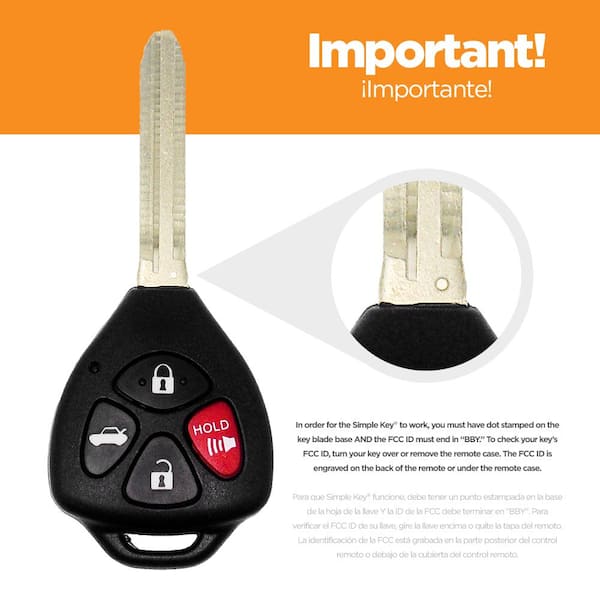
- No Remote Programming: Look at your key. Does it have buttons? Lock, unlock, panic. Home Depot copies the key part. They usually cannot program the buttons part. You might have a key that starts the car. But you will have to lock the door manually.
- High-Security Keys: Some keys are cut with a laser. They have a weird groove. Most Home Depot machines cut the edge, not the middle. Some newer stores have laser cutters. But many do not.
- Luxury Cars: Do you drive a BMW? A Mercedes? A Volvo? These cars are stubborn. They have rolling codes. The code changes every time. You cannot clone them easily. Home Depot will likely say no.
Also, they cannot fix a broken key. If your key is snapped in half, the machine cannot trace it.
It is important to manage expectations. Home Depot is for simple, quick duplicates. It is not for complex security problems.
The “Minute Key” Kiosk Option
You might have seen them. They are bright green or yellow machines. They are called Minute Key. They stand near the exit.
They look like vending machines. But for keys.
What is a Minute Key Kiosk?
It is a robot locksmith. You put your key in a slot. A laser scans it. A robot arm cuts a new one. It is fun to watch.
It is very fast. It takes about a minute. Hence the name.
Can Kiosks Handle Chips?
This is where it gets tricky.
Most older kiosks are for house keys only. They do Schlage and Kwikset. They do not do cars.
However, new kiosks are smarter. Some modern Minute Key machines can detect a car key.
Here is the process:
- You insert your car key.
- The machine scans the chip.
- If it can copy it, it will tell you.
- It might not dispense the key right there.
- Sometimes, it ships the key to your house. This is for security.
But, I do not recommend this for cars. Not yet.
Why? Because car keys are precise. If the machine makes a mistake, no one is there to fix it. A human employee is better. They can test it. They can clean the burrs off the metal.
If you need a house key, use the kiosk. If you need a car key with a chip, talk to Dave (or whoever is at the desk).
Also, the selection is small. The kiosk holds a few blank types. The store desk hangs hundreds of options. You have a better chance with the human.
Credit: www.acmelocksmith.com
Home Depot Car Key Copy Cost Analysis
Let’s talk money. This is usually the biggest factor for car owners. Why go to a hardware store instead of the fancy dealership? The answer is almost always the price tag.
But how much are we really talking about?
Price Breakdown
Home Depot pricing is generally transparent. You won’t find hidden labor fees or “shop supply” charges here.
- Standard Metal Keys (No Chip):
If you are driving a 1990 Ford F-150, you are in luck. A simple brass key duplication costs between $2.00 and $6.00. It’s cheap enough to buy three and hide them everywhere. - Transponder / Chip Keys:
This is where the price jumps, but it is still reasonable. The blank key itself contains the electronic chip.- Cost: Expect to pay between $60 and $80.
- What that includes: This price covers the key blank, the cutting of the metal blade, and the cloning of the transponder signal.
Comparing Costs
To understand the value, we have to look at the competition.
- Home Depot vs. The Dealership:
The dealership is the most expensive option. For that same Honda Civic key I mentioned earlier, the dealer wanted $250. That included the key and an hour of “programming labor.”- Home Depot: ~$70
- Dealership: ~$250
- Savings: $180. That is a week’s worth of groceries.
- Home Depot vs. Local Locksmith:
Locksmiths are professionals. They can do more than Home Depot. They can come to your house. But you pay for that expertise.- Locksmith Storefront: Usually charges $90 to $120 for a clone.
- Mobile Locksmith: If they come to you, add a $50 to $100 service call fee.
- Verdict: Home Depot is cheaper than a locksmith, but a locksmith offers higher quality and more options for difficult cars.
Is it Worth the Savings?
For a spare key? Absolutely.
If you just need a backup to keep in a drawer or give to your teenager, the Home Depot key is perfect. It is functional and affordable.
However, if this is your primary key—the one you use every single day—you might want to consider the quality. Dealer keys are factory original (OEM). They are durable. Home Depot keys are aftermarket. The plastic might feel a bit lighter. The buttons (if they have them) might feel a bit clicky.
But for the price difference, most people are happy with the aftermarket version.
Step-by-Step: How to Get Your Key Made at Home Depot
You are ready to go. You have your keys. You have your wallet. How do you make this trip smooth? Follow these steps.
Step 1: Check Your Key Type
Look at your current key.
- Is it a simple metal blade?
- Does it have a thick plastic head?
- Does it say “Do Not Duplicate”? (They usually ignore this for cars, but good to note).
- Is it a laser cut (squiggly groove)?
- Tip: If it is laser cut, call the store first. Ask, “Do you have a sidewinder key cutter?” This saves you a wasted trip.
Step 2: Go to the Store (Best Times to Visit)
Home Depot gets busy. Saturday morning is chaos. Contractors are buying lumber. Homeowners are buying paint. The key desk is often understaffed.
- Best Time: Tuesday or Wednesday mid-morning (10 AM – 11 AM) or mid-afternoon (2 PM).
- Why? The staff will have time to focus on your key. Cloning a chip takes focus. You don’t want them rushing because a line is forming.
Step 3: The Verification Scan
Find the key desk. Hand your key to the associate.
- Ask clearly: “Can you check if this key is cloneable?”
- They will put it in the “Cloner” box (often a Hy-Ko or Hillman machine).
- The Green Light: If the machine beeps and shows a green light or a “Read OK” message, you are good to go.
- The Red Light: If it fails, wipe the key clean and ask them to try once more. Sometimes dirt blocks the signal.
Step 4: Cutting and Programming
Once verified, you pick a blank.
- They will cut the metal first.
- Then they will perform the “write” sequence. They might ask you to hold your original key near the machine.
- The machine copies the digital “signature” from your key to the new blank.
Step 5: The Parking Lot Test (Crucial Step)
Do not drive home yet.
Walk out to your car immediately.
- Insert the new key.
- Turn it to the “ON” position (don’t start it yet). Watch the security light on your dashboard. (It usually looks like a key or a padlock).
- If the light stays on solid or flashes rapidly, the chip is bad. The car does not recognize it.
- If the light turns off like normal, the chip is good.
- Start the engine.
- Lock and unlock the door manually to check the metal cut.
If it doesn’t work, go back inside immediately. They will refund you or try again. It is much harder to get a refund three days later.
When Home Depot Says “No”: Alternative Options
Sometimes, the answer is no. Maybe your car is too new (2024 model). Maybe it is a fancy German car. Maybe the machine is broken.
Do not panic. You have other options.
Automotive Locksmiths
This is my favorite “Plan B.”
- Why? They have better tools. They can plug into your car’s OBDII port (the computer port under the steering wheel). This allows them to program keys that Home Depot cannot clone.
- Mobile Service: They come to you. If you are stuck at work with a broken key, this is a lifesaver.
- Complexity: They can handle laser cuts, smart fobs, and push-to-start remotes.
The Dealership
This is the “Plan C” or “Last Resort.”
- When to go: If you lose all keys and need a car computer reset. Or, if your car is brand new and under strict warranty security.
- Pros: You get a factory-perfect key.
- Cons: It is expensive. You often have to tow the car there. You have to wait for an appointment.
Online Services (Car Keys Express, etc.)
This is the “DIY” hybrid method.
- How it works: You take a photo of your key and upload it to a site like Car Keys Express or KeyMe.
- The delivery: They cut the key from the photo and mail it to you.
- The chip: They send a programming tool (a dongle) that you plug into your car to pair the key yourself.
- Verdict: This is convenient but can be hit-or-miss. If the photo isn’t perfect, the key won’t turn.
DIY Key Programming: Can You Do It Yourself?
I am a DIY guy. I like to fix things. Can I program my own key?
Sometimes.
On-Board Programming Method
Some older cars allow you to add a key without tools. This is common in older Fords, Chevys, and Toyotas (early 2000s).
- The Trick: You usually need two working keys.
- The Process: You insert Key 1, turn it on, turn it off. Insert Key 2, turn it on, turn it off. Insert the New Key, turn it on. The car enters “programming mode” and accepts the new key.
- The Catch: If you only have one key, this usually does not work. You are locked out of the system.
Tools You Might Need
If the “two-key trick” doesn’t work, you need hardware.
- OBDII Programmer: You can buy a cheap key programmer on Amazon for
20−20−50. It plugs into your car. - Risk: These cheap tools can sometimes glitch your car’s computer. I once set off my car alarm and couldn’t stop it for an hour. Proceed with caution.
Risks of DIY
- You can brick your car (disable the computer).
- You can trigger the anti-theft system, requiring a dealer unlock.
- The key blank might be cheap and break in the lock.
Unless you are very comfortable with car electronics, spending the $70 at Home Depot is usually safer.
Credit: www.homedepot.com
Frequently Asked Questions (FAQ)
You might still have specific questions about your situation. I have gathered the most common ones I hear from friends and readers.
Does Home Depot program key fobs?
Generally, no. Home Depot focuses on the chip inside the key head that starts the engine. They rarely program the remote buttons (lock/unlock/trunk) on a separate fob. However, some newer “Key Hero” locations carry “Universal Car Remotes” that they can pair to your car for a fee. You must ask your local store if they have this specific tool, as it is not standard in every aisle.
How long does it take to make a chip key?
It is surprisingly fast. If there is no line, the actual process takes about 15 to 20 minutes.
- Scanning and verifying: 2 minutes.
- Cutting the metal blade: 5 minutes.
- Cloning the chip signal: 5-10 minutes.
Comparing this to a dealership, where you might wait two hours in a lobby, it is a huge time-saver.
Can I bring my own key blank to Home Depot?
This is a tricky one. Officially, the policy is often no.
Why? Because if their machine miscuts your key (which you bought on eBay), they cannot replace it. They don’t want the liability.
- The Loophole: Some nice employees might do it for you if you agree to take the risk. They will charge you a “cut fee.” But don’t count on it. It is safer to buy their key blank so you get the guarantee.
What if the new key doesn’t work?
Home Depot has a good return policy. If you test the key in the parking lot and it fails, walk right back in.
- The Fix: They will usually try to recut or reprogram it once more for free.
- The Refund: If it still doesn’t work, they will refund your money. Keep your receipt! This is why I prefer Home Depot over a random kiosk—you have a human to talk to.
Does Lowe’s make chip keys?
Yes, they do. Lowe’s is Home Depot’s direct competitor, and their services are almost identical. They also use Hillman systems.
- The difference: It really comes down to which store is closer to you or which one has a working machine that day. Pricing is usually within $5 of each other. If Home Depot can’t do your specific car, it is worth driving across the street to check Lowe’s.
Conclusion & Final Recommendations
So, does Home Depot make car keys with chips? Yes, they do. And for most drivers, it is a fantastic, wallet-friendly option.
If you have a standard car (Ford, Toyota, Honda, Chevy, Nissan) from the last 20 years, Home Depot can likely save you over $100 compared to the dealership. The process is simple: walk in, scan your key, and walk out with a working spare.
However, remember the limitations:
- You need one working key to make a copy. (No “lost all keys” situations).
- Luxury and brand-new cars (last 3-4 years) might not be supported yet.
- Always test the key before you leave the parking lot.
My Personal Advice:
Don’t wait until you lose your last key. I learned that lesson the hard way with my Civic. Go this weekend. Spend the $70. Put that spare key in a safe drawer at home.
The peace of mind is worth every penny.
Next time you are picking up lightbulbs or potting soil, stop by the key desk. You might just solve a future emergency before it happens.
Drive safe, and keep those keys handy!