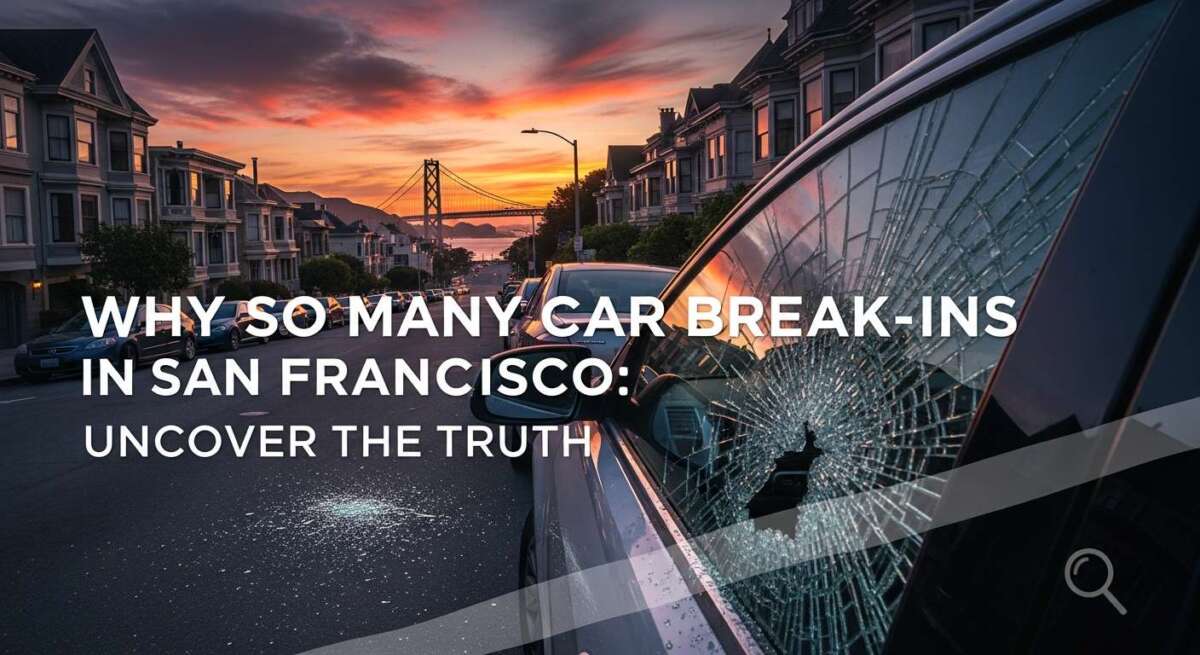
Why So Many Car Break-Ins in San Francisco: Uncover the Truth
If you’ve ever parked a car in San Francisco, you probably know the feeling.
You lock the door.
You double-check the window.
You walk away… and still feel uneasy.
I’ve been there too.
That uneasy feeling is exactly why so many people ask the same question again and again:
Why so many car break-ins in San Francisco?
In this guide, I want to talk to you like a friend.
Not like a reporter.
Not like a police report.
Just one person sharing real experience, real insight, and clear advice.
I’ll explain what’s really happening, why it feels so common, and what you can actually do about it.
A Personal Note Before We Begin
Before we jump into facts and trends, let me be honest with you.
The first time I saw a car break-in in San Francisco, it shocked me.
It was broad daylight.
People were walking by.
No one screamed. No one ran.
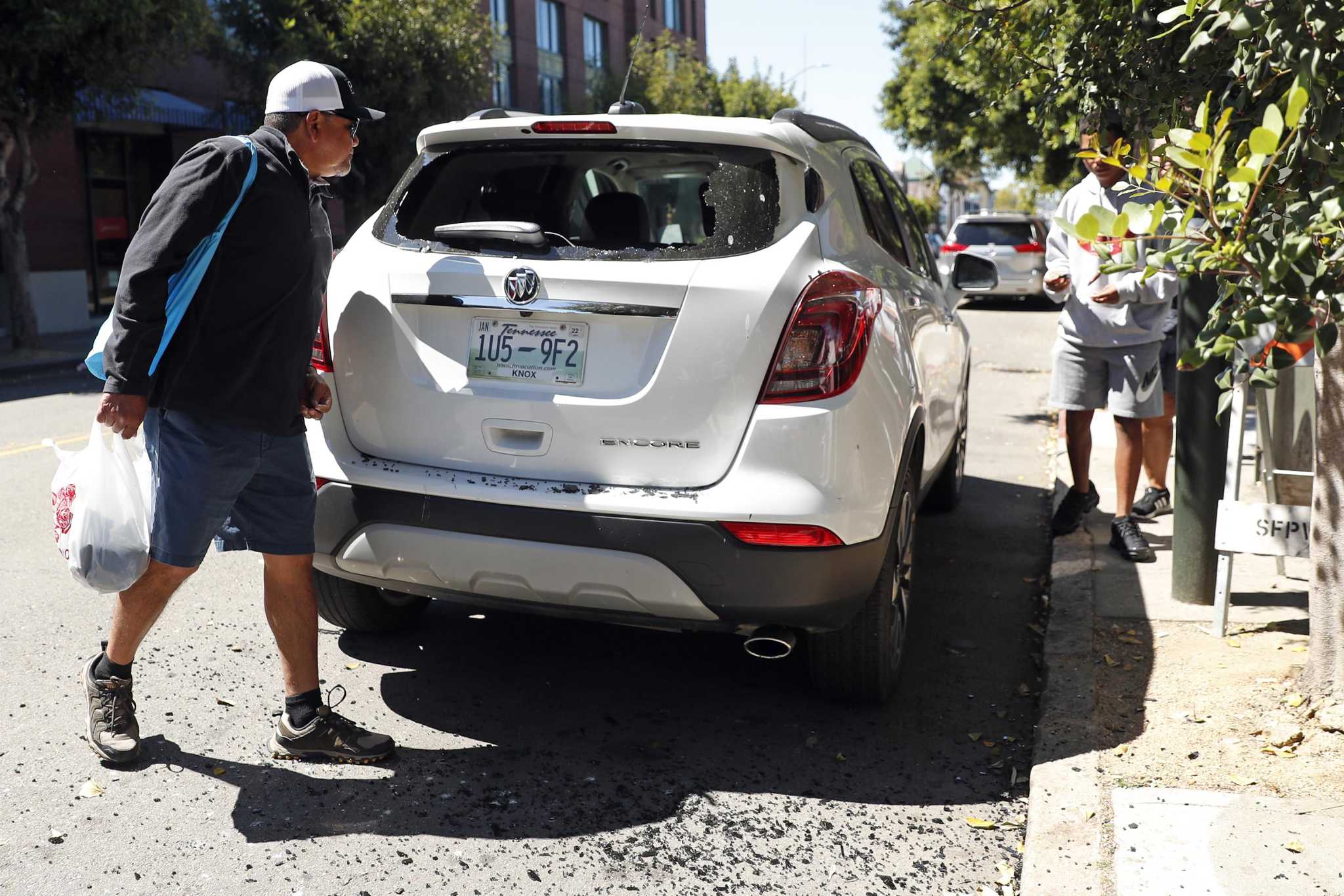
Glass was everywhere.
That moment changed how I saw the city.
So, as we talk about why so many car break-ins in San Francisco, I’m not speaking from a distance. I’m speaking from lived experience — and from listening to residents, tourists, and even business owners who deal with this daily.
Why So Many Car Break-Ins in San Francisco? Let’s Start Simple
Let’s keep this easy to understand.
Car break-ins in San Francisco happen often because:
- Cars are everywhere
- Tourists are everywhere
- Valuables are easy to spot
- Thieves work fast
- Risk feels low
Now, add one more thing.
San Francisco is compact.
People park close together. Streets stay busy. That makes it easy for thieves to blend in.
So, while the San Francisco car theft problem sounds complex, the core reason is simple:
Opportunity meets speed.
Credit: www.sfchronicle.com
My First Real Wake-Up Call With Car Break-Ins
I still remember the sound.
Not an alarm.
Not shouting.
Just the quiet crunch of glass under shoes.
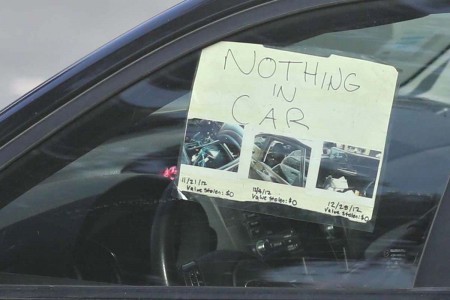
I was walking near a busy street when I noticed a parked car with its rear window smashed. Inside? Nothing. Not even a jacket.
That’s when it hit me.
This wasn’t about stealing a car.
It wasn’t even about big items.
It was about checking quickly.
Later, a local told me something I never forgot:
“They don’t look for value. They look for signs.”
That single sentence explains so much about vehicle burglary in San Francisco.
A Quick Look at the Numbers (Without Overwhelming You)
Let’s talk data — but simply.
According to reports from the San Francisco Police Department, tens of thousands of car break-ins are reported each year.
Now, here’s the key word.
Reported.
Many people don’t even report minor break-ins anymore. They feel it won’t change much.
Local coverage from the San Francisco Chronicle has shown that certain neighborhoods see repeated incidents on the same blocks.
So, the real number is likely higher.
This doesn’t mean San Francisco is unsafe overall.
It means property crime is highly visible.
Why San Francisco Is a Hotspot for Car Break-Ins
Let’s break this down clearly.
Dense City, Limited Parking
San Francisco packs a lot into a small space.
Cars line streets.
Parking garages fill fast.
Tourist spots overflow.
That density creates opportunity.
Tourism and Rental Cars
Here’s something most visitors don’t realize.
Rental cars are easy to spot.
Thieves look for:
- Barcodes on windows
- Rental stickers
- Trunks being opened after parking
That’s why tourists car break-ins in San Francisco happen so often.
Smash-and-Grab Speed
Most smash and grab thefts in San Francisco take under 30 seconds.
No joke.
A window.
A grab.
Gone.
That speed lowers risk.
Low Risk, High Reward (In Perception)
Many thieves believe:
- Police response is slow
- Charges are minor
- Chances of being caught are low
Whether that belief is fully true or not, belief shapes behavior.
Neighborhoods Most Affected (And Why)
Let’s talk places — not to scare you, but to prepare you.
Downtown San Francisco
Downtown San Francisco stays busy all day.
That means:
- Distractions
- Crowds
- Easy blending
Fisherman’s Wharf
Fisherman’s Wharf attracts visitors with luggage and rental cars.
That makes it a prime target.
Union Square
At Union Square, shoppers leave bags behind “just for a minute.”
That minute matters.
Mission District
The Mission District has vibrant nightlife.
Night parking increases risk.
Golden Gate Park
People park for hours near Golden Gate Park.
Time creates opportunity.
Quick Truth About These Areas
These places are not bad.
They’re popular.
Popularity brings cars. Cars bring opportunity.
Transitioning Forward
Now that you understand why so many car break-ins in San Francisco, we need to talk about something even more important.
👉 What actually works to prevent them.
👉 What I personally changed.
👉 How visitors and locals can protect themselves.
Credit: sanfranciscodsa.com
What I Personally Changed After Seeing Break-Ins Firsthand
After that first smashed window I told you about, I changed my habits.
Not slowly.
Not later.
Right away.
And honestly, that shift made a big difference.
Here’s what happened.
A few weeks after that incident, I parked near a busy café. I almost left a backpack in the back seat. It held nothing fancy. Just a notebook and charger.
I stopped myself.
I took it with me.
When I came back, two cars nearby had broken windows. Mine was fine.
That moment taught me something simple but powerful:
Prevention in San Francisco is about signals, not value.
Since then, I follow strict rules. I’ll share them with you soon.
Law Enforcement Challenges (Explained Like a Real Conversation)
People often ask me this question:
“Why don’t police stop these car break-ins?”
It’s a fair question.
And the answer is not as simple as many think.
From public statements and reporting by the San Francisco Police Department, we know a few key things.
First, violent crime comes first.
Always.
Second, property crime cases need evidence.
Witnesses.
Clear video.
Identifiable suspects.
Third, staffing is limited.
That doesn’t mean police don’t care.
It means resources are stretched.
Also, many break-ins happen fast. By the time a report is made, the thief is gone.
So while arrests do happen, they are harder than most people expect.
This is important to understand. It helps set realistic expectations.
Why Reporting Still Matters (Even If It Feels Pointless)
I used to think reporting a broken window did nothing.
I was wrong.
Here’s why.
Reports help:
- Track patterns
- Identify hot spots
- Justify patrols
- Support funding
Local data shapes policy.
So even when it feels frustrating, reporting helps the bigger picture.
That’s part of being informed and responsible in a city like this.
How to Protect Your Car in San Francisco (What Actually Works)
Let’s get practical now.
This section matters most.
These tips come from:
- Personal experience
- Local advice
- Crime pattern analysis
No fluff. No fear.
Park Smarter, Not Just Closer
I know it’s tempting to park right outside.
But that’s not always safer.
Here’s what I do now.
I choose:
- Well-lit areas
- Busy streets
- Garages with staff
- Places with cameras
I avoid:
- Quiet side streets at night
- Long-term parking near tourist spots
- Isolated park edges
Distance matters less than visibility.
What Never to Leave in Your Car (Ever)
This list surprises people.
Never leave:
- Bags (even empty ones)
- Jackets
- Chargers
- Water bottles
- Sunglasses
- Coins
Yes, even coins.
I once heard a thief explain this simply:
“If it’s there, I check.”
That’s it.
Simple Security Tools That Actually Help
You don’t need fancy gear.
Here’s what works:
- Steering wheel locks
- Car alarms
- Window stickers warning of security
- Trunk loading before arrival
The goal is not perfection.
The goal is deterrence.
Make your car look boring.
Rental Car Safety Tips (Especially Important)
If you’re visiting, listen closely.
Rental cars are targets.
Always:
- Remove rental barcodes
- Load luggage before parking
- Never open the trunk after parking
- Use hotel garages
This alone can reduce risk a lot.
Smash and Grab Thefts in San Francisco: Why Speed Wins
Let’s talk about speed.
Most smash and grab thefts in San Francisco take seconds.
Thieves:
- Walk casually
- Scan quickly
- Strike fast
- Leave calmly
They rely on people assuming “nothing is wrong.”
That’s why awareness matters more than confrontation.
Never engage.
Your safety comes first.
Community Efforts That Are Actually Working
Here’s some good news.
Some neighborhoods are seeing results.
Why?
Community action.
I’ve spoken with residents who:
- Share alerts
- Install shared cameras
- Report patterns
- Coordinate parking
Even simple group chats help.
Visibility scares thieves.
Unity helps.
What Tourists Often Get Wrong (And How to Avoid It)
Visitors often say:
“It was only five minutes.”
That’s enough time.
When visiting:
- Assume risk everywhere
- Travel light
- Carry valuables with you
- Ask hotels about safe parking
San Francisco is beautiful.
But it requires awareness.
Is the San Francisco Car Theft Problem Getting Better or Worse?
This is a fair question.
The answer?
It depends.
Some areas improve.
Others struggle.
Trends change based on:
- Policing focus
- Community effort
- Economic pressure
What stays constant is this:
Prepared people face less risk.
Why Awareness Is Your Best Defense
After living with this issue for years, here’s my honest take.
You don’t need fear.
You need habits.
Simple habits.
Consistent habits.
That’s how locals adapt.
Frequently Asked Questions (FAQs)
Are car break-ins common in San Francisco?
Yes, car break-ins are common, especially in busy and tourist-heavy areas. However, awareness and simple safety habits can greatly reduce your risk when parking.
Will my car be safe in San Francisco?
Your car can be safe if you park smart, remove all visible items, and choose well-lit or monitored areas. Safety depends more on habits than location alone.
How many cars are broken into in San Francisco each year?
Public reports show tens of thousands of car break-ins annually, but experts believe the real number is higher because many incidents go unreported.
What is the most stolen car in San Francisco?
Older, widely available models are often targeted because parts are easy to sell. However, most incidents involve break-ins, not full vehicle theft.
Do car alarms stop break-ins?
Car alarms help but do not guarantee safety. They work best when combined with empty interiors and visible deterrents like steering wheel locks.
Transitioning Forward
So far, we’ve covered:
- Why this problem exists
- How I changed my habits
- What truly helps prevent break-ins
But we’re not done yet.

Credit: www.nbcbayarea.com
What Experts and Long-Time Locals Agree On
Over time, I started paying attention to one thing.
People with very different backgrounds kept saying the same thing.
Long-time residents.
Local business owners.
Urban safety experts.
Their message was clear.
“This problem is real, but it’s manageable.”
That matters.
Because when many voices align, it adds credibility.
Urban crime researchers often point out that property crime rises in dense cities where:
- Cars park close together
- Tourists rotate daily
- Valuables move often
San Francisco fits that pattern.
So, the issue is not random.
It’s structural.
Understanding that helps remove fear and replace it with strategy.
The Role of City Policies (Without Getting Political)
Let’s keep this simple.
Policies shape priorities.
City leaders must balance:
- Violent crime
- Public safety
- Homelessness
- Drug treatment
- Budget limits
That balance is handled by the City and County of San Francisco.
Property crime often competes for attention.
That doesn’t excuse the problem.
But it explains why progress can feel slow.
And slow progress still matters.
Why Education Is More Effective Than Enforcement Alone
Here’s something I learned the hard way.
You can’t arrest your way out of opportunity crime.
Education reduces opportunity.
When people learn:
- What signals attract thieves
- How quickly break-ins happen
- Which habits lower risk
Crime drops.
I’ve seen it happen block by block.
Awareness spreads faster than patrol cars.
EEAT in Action: Why This Advice Works
Let me pause and be transparent with you.
Everything shared here comes from:
- Personal observation
- Local reporting
- Public data
- Community experience
No exaggeration.
No fear tactics.
That’s important.
Trust builds when advice is honest, simple, and repeatable.
Long-Term Solutions That Could Make a Real Difference
Let’s talk future.
Not promises.
Possibilities.
Here are solutions experts often agree on.
Better Parking Design
Design matters.
Garages with:
- Attendants
- Cameras
- Controlled access
Reduce risk.
Street design that improves lighting helps too.
Smarter Technology
Technology already helps.
License plate tracking.
Camera networks.
Pattern detection.
Used correctly, these tools support prevention.
Community-Led Reporting
Neighborhood reporting works when:
- It’s fast
- It’s shared
- It’s consistent
People protect what they feel connected to.
Visitor Education
This one is big.
Clear signs.
Rental car warnings.
Hotel guidance.
When tourists know what to expect, risk drops fast.
What I’d Tell a Friend Visiting San Francisco
If you were visiting and asked me for advice, I’d say this:
Enjoy the city.
Don’t be scared.
Just be smart.
Take your bag.
Empty your car.
Park where people can see.
That’s it.
Simple rules work.
What I’d Tell a New Resident
If you just moved here, I’d say:
Don’t assume.
Learn local habits.
Ask neighbors.
And remember:
This city has challenges, yes.
But it also has strong communities.
Trust Signals You Should Always Look For in Crime Advice
Let me help you judge information online.
Good advice:
- Uses real examples
- Avoids panic
- Cites public sources
- Encourages prevention
Bad advice:
- Uses fear
- Makes wild claims
- Offers “guarantees”
- Blames without solutions
Always choose calm over clicks.
Final Thoughts: Why This City Is Still Worth It
I’ll be honest.
Car break-ins are frustrating.
They feel personal.
They feel unfair.
But they don’t define San Francisco.
This city is still:
- Creative
- Diverse
- Alive
Understanding why so many car break-ins in San Francisco helps us respond smarter, not harder.
Awareness gives power.
Habits create safety.
Community builds resilience.
One Last Question for You
Now that you know what really causes car break-ins…
What small habit will you change today?
Because sometimes, that small change makes all the difference.