Why is My Car Rattling When I Start It: Uncover Causes
You turn the key. You expect a smooth hum. Instead, you hear it. Clank, rattle, clatter.
It sounds like a tin can full of rocks is shaking under your feet. Your heart sinks a little. We have all been there. It is a terrible feeling. You instantly wonder, “How much is this going to cost me?”
If you are asking, “Why is my car rattling when I start it?” you are in the right place. I have spent years working on cars. I have heard every noise an engine can make. Most of the time, the noise sounds scary. But often, the fix is simple.
In this guide, I will walk you through the causes. We will look at cheap fixes. We will also look at signs of bigger trouble. I will talk to you like a friend in the garage. Let’s figure this out together.
Safety First: Read This Before You Pop the Hood
Before we start, we need to be safe. Cars are fun, but they can hurt you.
First, never touch the exhaust if the car has been running. It gets incredibly hot. It can burn your skin in a split second. If you just drove the car, park it. Let it sit for at least an hour.
Second, watch out for moving parts. The fan and belts spin very fast. Keep your hands, hair, and loose clothes away from the front of the engine.
Third, always use the parking brake. You do not want the car to roll while you are looking at it.
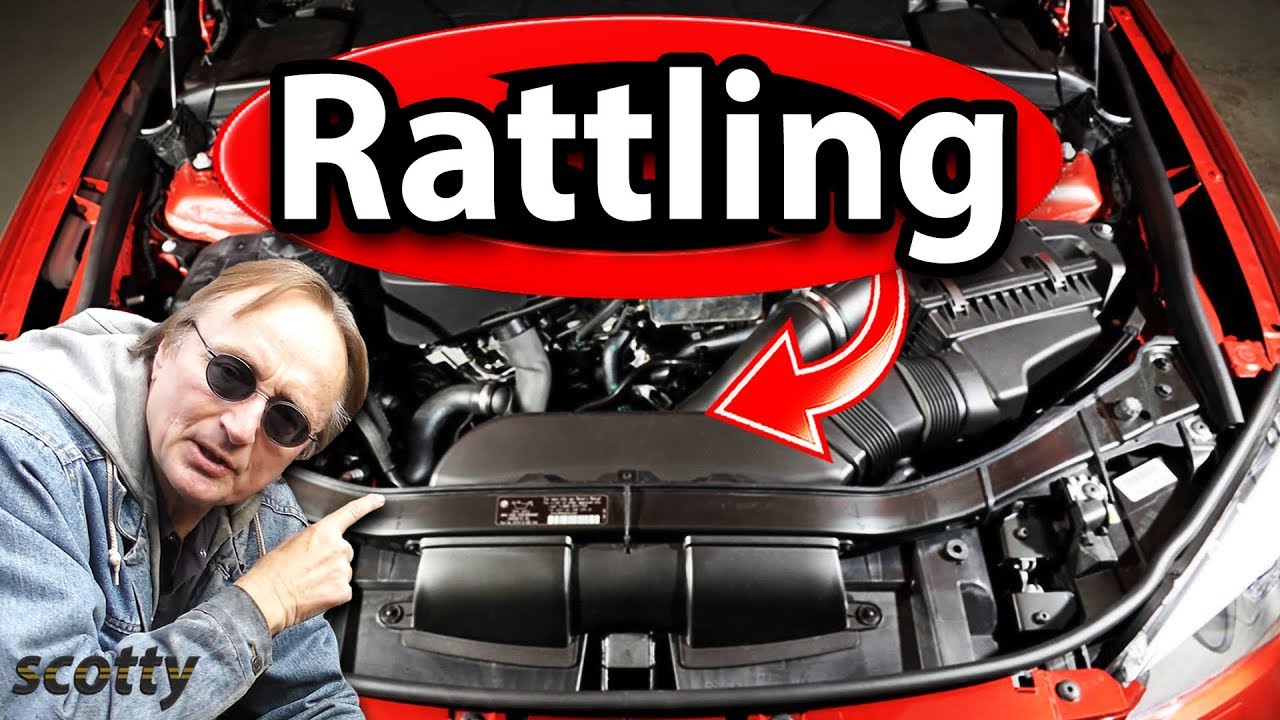
Credit: www.youtube.com
The Detective Work: How to Diagnose the Sound
Diagnosing a car is like being a doctor. You have to listen. You have to look. You have to feel.
A few years ago, I bought a used sedan. It had a nasty rattle. The seller thought the engine was dying. I took a look. I used a rubber mallet to tap the tailpipe. I heard a buzz. It was just a loose clamp. I fixed it for five dollars. The seller was shocked.
You can do this too. You need to identify where the sound is.
The Location Test
Open your door when you start the car. Lean out. Is the sound coming from under your seat? That is likely the exhaust. Is it coming from the front? That is likely the engine.
The Timing Test
Does the noise stop after a minute? This is a huge clue. If the car rattles when cold starting but stops when warm, it is often an oil issue or a heat shield. If the noise never stops, you might have a loose part.
The Most Common Culprit: Your Exhaust System
Let’s start with the most likely cause. In my experience, 80% of rattles come from the exhaust.
The Loose Heat Shield
This is the number one cause of heat shield rattle noise.
Your car has metal plates under it. These are heat shields. They sit above the hot exhaust pipes. They stop the heat from melting your floor.
These shields are thin. They are held on by small bolts or clamps. Over time, these bolts rust. They break. Then, the shield sits loose. When you start the engine, the vibration makes the metal shield hit the pipe.
It makes a loud, metallic buzzing sound. It sounds cheap and tinny.
The Fix:
This is easy. Wait for the car to cool. Crawl under (safely). Look for the thin metal sheets. Wiggle them. If one moves, that is your problem. You can often fix this with a large hose clamp. You just tighten the clamp around the shield and the pipe. The noise will vanish.
The Broken Catalytic Converter
This one is more expensive. Your catalytic converter cleans the smoke from your engine. It looks like a metal oval in your exhaust pipe.
Inside, there is a ceramic honeycomb. It looks like a hard sponge. Sometimes, this honeycomb breaks. It breaks into small chunks. When the engine vibrates, these chunks bounce around inside the metal shell.
This causes a catalytic converter rattling sound. It sounds like a baby rattle, but deeper. It sounds like rocks in a tin can.
How to Check:
With the car off and cool, hit the converter gently with a rubber mallet. If you hear rocks rattling inside, it is broken. You will need a new one.
Loose Mufflers and Hangers
Your exhaust pipe hangs from the car with rubber loops. We call these hangers. Rubber dries out. It cracks. Eventually, it snaps.
If a hanger breaks, the heavy pipe swings. It can hit the frame of the car. This makes a heavy thud or rattle. A quick look under the car will show you if a rubber loop is broken.

Credit: www.meineke.com
Engine Internals: When the Noise is Under the Hood
Sometimes, the noise is not under the car. It is right in the front. This can be more serious.
Hydraulic Valve Lifters
Your engine has valves. They let air in and smoke out. Small parts called lifters open these valves. They work with oil pressure.
When your car sits overnight, gravity pulls the oil down. The oil goes to the bottom of the engine. The top parts become dry.
When you start the car, it takes a few seconds for oil to pump back up. During this time, the metal parts might click or rattle. We call this “lifter tick.”
It usually goes away in five seconds. If it lasts longer, you might have old oil. Or, you might need an oil change.
Piston Slap
This sounds scary, but it is often normal. Pistons move up and down in the engine. They are made of metal.
When it is cold, metal shrinks. There might be a tiny gap between the piston and the wall. When the piston moves, it “slaps” the wall. This makes a hollow rattling sound.
Once the engine warms up, the metal expands. The gap closes. The noise stops. This is very common in older engines.
Timing Chain Issues
This is a critical issue. Many modern cars use a timing chain. It looks like a bike chain inside the engine.
There is a part called a tensioner. It keeps the chain tight. If the tensioner breaks, the chain gets loose. It whips around. It hits the plastic guides inside the engine.
A timing chain rattle sounds like a distinct “slap-slap-slap” sound. It is loud. It usually happens right when you start the car.
My Advice:
If you hear a chain rattle, do not wait. If the chain breaks, your engine is destroyed. Get this checked by a pro immediately.
Mounts and Belts: The Hidden Sources
There are other parts that hold things together. They can also rattle.
Bad Engine Mounts
Your engine is heavy. It sits on rubber blocks. These are engine mounts. They stop the engine vibration from shaking the car.
Rubber rots over time. If a mount breaks, the engine is not held tight. When you start the car, the engine shakes hard. It can hit the frame.
Bad engine mount symptoms include a deep clunk or rattle. You might also feel the steering wheel shake.
How to Check:
Open the hood. Have a friend start the car. Watch the engine. Does it jump up and down? If it moves more than an inch, your mounts might be bad.
Belt Tensioners
Your car has belts on the front. They turn the alternator and AC. A pulley keeps these belts tight.
Inside the pulley is a spring and a bearing. These wear out. If the bearing is bad, it wobbles. This makes a chirping or rattling noise. This noise is usually constant while the engine runs.
Oil and Lubrication: Check the Basics
Before you panic, check your oil.
Oil is the blood of your engine. It cushions the moving parts. If your oil is low, there is no cushion. Metal hits metal. The engine will be noisy.
Also, check the type of oil. Oil has a thickness. We call this viscosity. If you use thick oil in winter, it moves too slow. It cannot reach the top of the engine fast enough. This causes rattling on cold mornings.
Always use the oil written on your oil cap.
How to Fix the Rattle: A Step-by-Step Plan
So, you have a rattle. What do you do now? Follow these steps.
Step 1: The Oil Check
Pull the dipstick. Is the oil low? Is it black and sludgy?
If it is low, add oil. See if the noise stops. This is the cheapest fix.
Step 2: The Cold Start Listen
Park the car. Let it sleep overnight. In the morning, pop the hood. Ask a helper to start the car.
Stand in front. Listen. Is the noise high (ticks) or low (knocks)?
Walk to the back. Listen to the exhaust.
Step 3: The Tap Test
If the noise is from the back, wait for the car to cool.
Take a rubber hammer. Lightly tap the muffler. Tap the catalytic converter. Tap the pipes.
Listen for loose rust or broken rocks inside.
Step 4: The Inspection
Look for the heat shields. Are they rusty? Are they hanging down?
If you see a loose one, try to move it with your hand. If it clanks, you found your problem.
When Should You Call a Professional?
I love fixing things myself. But sometimes, you need a pro.
Go to a mechanic if:
- The Check Engine Light is flashing.
- The noise gets louder when you press the gas.
- The noise sounds like a deep, heavy knock.
- You hear the timing chain slapping sound.
You can probably fix it yourself if:
- It is just a loose heat shield (use a clamp).
- It is just low oil (add oil).
- It is a loose plastic cover under the hood.
Preventing Future Rattles
You want to avoid this in the future. Here is how.
Change your oil on time. Clean oil protects the engine.
Wash the underbody. Salt causes rust. Rust breaks heat shields. Wash under your car in winter.
Listen often. Turn down the radio once a week. Listen to your car. Catching a noise early saves money.
Conclusion
A car rattling when it starts is annoying. It causes worry. But now you know the reasons.
It is likely a simple heat shield or low oil. These are cheap fixes. Even if it is a bad mount or exhaust part, it is fixable.
The most important thing is action. Do not ignore the noise. A small rattle can turn into a big break. Go out there. Pop the hood. Check the oil. Tap the exhaust.
You can handle this. Your car will thank you with a smooth, quiet start.
Credit: www.dickersonauto.com
Frequently Asked Questions
Why does the rattling stop after a few minutes?
This usually happens because the metal expands as it heats up. Heat closes the small gaps that cause vibration. Also, oil flows to the top of the engine, lubricating the noisy parts.
Is it safe to drive my car if it is rattling?
It depends on the noise. If it is a loose heat shield, it is safe but annoying. If it is a deep engine knock or timing chain issue, driving can destroy the engine. Check it immediately.
How much does it cost to fix a heat shield rattle?
This is very cheap. If you do it yourself with a clamp, it costs about five dollars. A mechanic might charge you for half an hour of labor, which could be fifty to one hundred dollars.
Can low oil cause a rattling noise?
Yes, absolutely. Low oil means metal parts rub together without protection. This creates a clattering sound. Always check your dipstick first when you hear new engine noises.
What does a bad catalytic converter sound like?
A bad catalytic converter sounds like rocks shaking in a metal can. It usually rattles when the car is idling or when you first start the engine. You might also see a Check Engine Light.
Why is my car louder in the winter?
Cold weather makes oil thicker. It takes longer to flow. Also, metal shrinks in the cold, creating gaps. This leads to more vibration and noise until the engine warms up.