Why are Police Cars Black And White: The Iconic Design
Have you ever noticed how fast your eyes catch a police car?
Even in heavy traffic.
Even from far away.
Even at night.
I still remember the first time I truly noticed it. I was driving home late one evening, tired after a long day. The road was quiet. Then suddenly, in my mirror, those bold black and white shapes appeared. I didn’t even see the lights at first. I just knew it was a police car.
That moment made me curious.
Why are police cars black and white?
Why not red, green, or yellow?
And why does this color combo feel so powerful?
Today, I want to walk you through this topic like we’re having a relaxed conversation. No jargon. No confusion. Just clear answers, real examples, and a bit of personal experience along the way.
By the end, you’ll never look at a police car the same way again.
What Makes Police Cars So Easy to Recognize?
Let’s start with something simple.
Our brains love contrast.
Black and white are opposites. When placed together, they stand out fast. That’s not an accident. In fact, it’s one of the biggest reasons behind police vehicle design.
When you see a black and white police car, your brain reacts before you even think. You recognize authority. You sense order. You become alert.
That instant recognition matters. A lot.
In emergencies, seconds count. When someone needs help, they don’t want to guess which car is police. They want to know.
Black and white make that possible.
A Short History of Police Car Colors
Early Police Vehicles (Before Black and White)
Believe it or not, police cars were not always black and white.
In the early 1900s, police departments used whatever vehicles they could get. Some were brown. Some were green. Others looked just like regular cars.
There was no national standard. Each city decided on its own.
That caused confusion.
People often could not tell police cars apart from normal vehicles. That made response times slower and trust harder to build.
Why Black and White Became Popular
Things changed in the 1930s.
Police departments started to realize something important: visibility equals safety.
Black and white paint was cheaper.
It was easier to maintain.
And most importantly, it stood out.
Slowly, city by city, black and white became the norm.
Before long, it became part of police identity itself.

Credit: www.theintermountain.com
Why Are Police Cars Black And White? (The Simple Answer)
Let me say this clearly:
Police cars are black and white because the colors are easy to see, easy to recognize, and easy to trust.
That’s it.
No mystery. No secret rule.
But let’s break it down even more.
- Black shows authority
- White shows clarity
- Together, they send a strong message
That message is: law and order are present.
Visibility and Safety on the Road
This part really matters.
I once spoke to a traffic officer during a community safety event. He told me something simple but powerful.
He said, “If people see us early, they slow down early.”
That stuck with me.
Black and white police cars are visible in:
- Bright sunlight
- Rainy weather
- Fog
- Nighttime
White reflects light.
Black creates contrast.
That combo helps drivers spot police cars faster. And when drivers see police, they drive more carefully.
That saves lives.
The Psychology Behind Black and White Police Cars
Now let’s talk about how color affects the mind.
Black is linked to strength, control, and authority.
White is linked to honesty, clarity, and safety.
When you see both together, your brain processes them fast. You feel alert but guided.
This is not fear.
This is awareness.
Psychologists call this visual authority recognition. You don’t need words. The colors speak for themselves.
Police Car Color Meaning: What Black and White Symbolize
Let’s keep this simple.
- Black says: “Rules matter.”
- White says: “Help is here.”
Together, they balance power and protection.
That balance is key in policing.
How Black and White Police Cars Help Law Enforcement
These colors don’t just help the public. They help officers too.
Officers can spot each other quickly.
Backup arrives faster.
Scenes stay organized.
In high-stress moments, clear visuals reduce confusion.
That’s real-world safety in action.
Cost and Practical Reasons Behind Police Car Colors
Here’s something many people don’t think about.
Police departments have budgets. Tight ones.
Black and white paint is affordable.
It hides dirt better.
It lasts longer.
That means less money spent on repainting and more money spent on training, tools, and community work.
Are All Police Cars Black And White?
No. And this part often surprises people.
Some police cars are:
- White
- Blue
- Gray
- Even unmarked
Undercover vehicles blend in on purpose. Highway patrol cars may use brighter colors.
Still, black and white remain the most trusted and recognized combo.
Police Cars in Different Countries
In the United States, black and white police cars dominate.
In Europe, reflective stripes are more common.
In Japan, many police cars are white with dark accents.
Each country adapts. But visibility always stays the goal.
Why Police Cars Are Often Ford Models
You might have noticed many police cars come from the same brand.
That’s because companies like Ford build vehicles designed specifically for law enforcement.
They focus on:
- Durability
- Safety
- Easy maintenance
That matters when cars run all day, every day.
Personal Experience: Seeing Police Cars Differently
I’ll be honest.
I used to think police car colors were just tradition.
But after learning the reasoning, I see them differently now.
Every time I spot one, I notice how fast my eyes lock on it. How my driving changes. How calm I feel knowing help is nearby.
That’s not random.
That’s smart design.
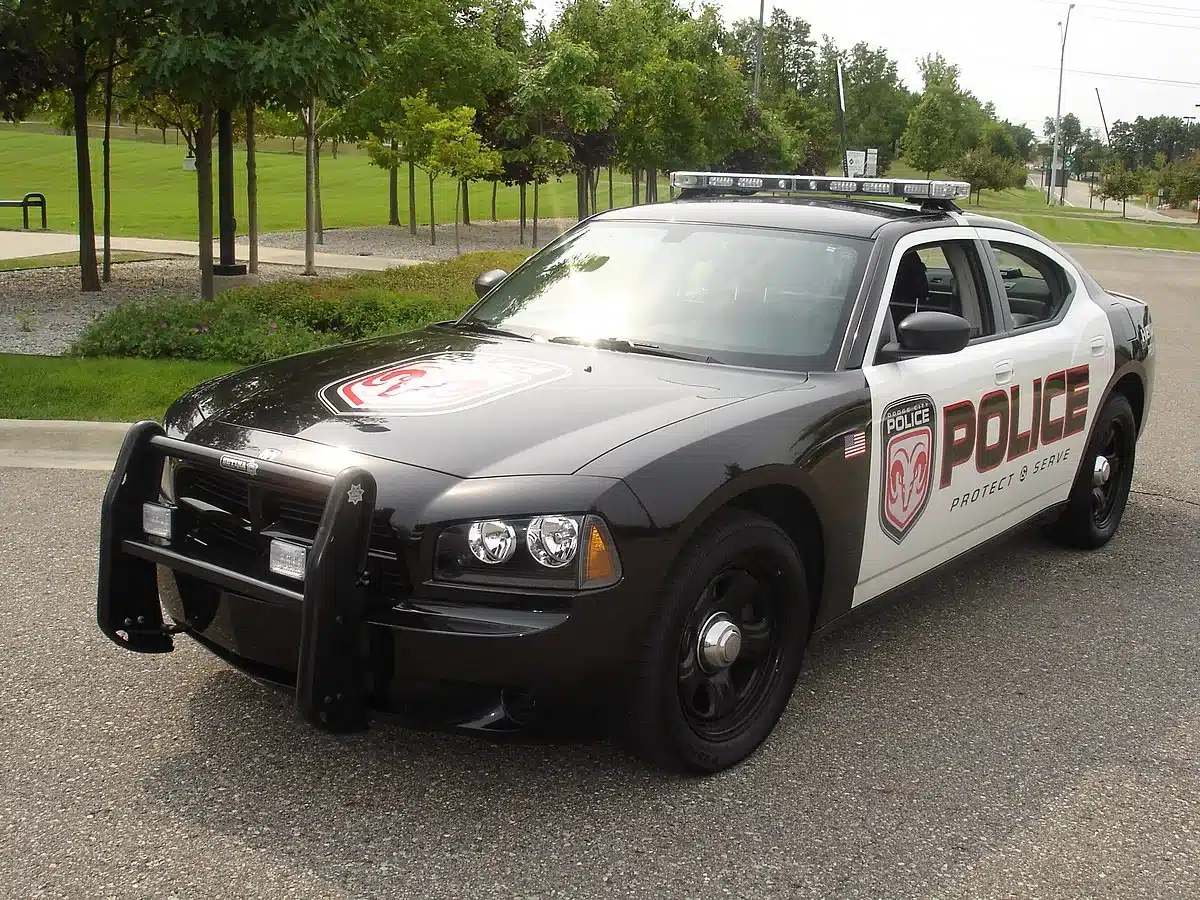
Credit: supercarblondie.com
Common Myths About Police Car Colors (Let’s Clear Them Up)
Over the years, I’ve heard many theories about police car colors.
Some sound smart.
Some sound dramatic.
Most are simply not true.
So let’s slow down and clear the air.
Myth 1: “Police cars are black and white only because of tradition”
This is half true. But only half.
Yes, tradition plays a role. However, tradition alone does not keep something alive for nearly a century.
Black and white police cars stayed because they work.
They are visible.
They are affordable.
They are trusted.
If they failed at any of these, police departments would have changed long ago.
Myth 2: “All police cars must be black and white by law”
This one is false.
There is no federal law that forces police cars to be black and white.
Each department chooses what works best for them.
Some choose white.
Some choose blue.
Some use gray or silver.
Still, black and white remain the most common because people recognize them instantly.
Myth 3: “Color doesn’t affect crime prevention”
This is also false.
Studies in visual psychology show that high-contrast vehicles increase attention.
When people see police cars clearly, they adjust behavior.
They slow down.
They follow rules.
They think twice.
That is prevention in action.
Modern Police Car Designs: Are Things Changing?
Now let’s talk about today.
Because yes, police car design is evolving.
But no, black and white are not going away anytime soon.
Reflective Decals and New Materials
Many modern police cars now use:
- Reflective vinyl
- Brighter white tones
- Matte black paint
These upgrades improve night visibility even more.
I noticed this change while driving on a highway last year. A police car parked far ahead caught my eye instantly. No flashing lights. Just reflective markings. That alone slowed traffic.
That’s design doing its job.
Hybrid and Electric Police Cars
Police departments are also thinking green.
Some cities now use hybrid or electric patrol cars.
These reduce fuel costs.
They cut noise.
They lower emissions.
Still, even these new vehicles often keep the black and white police car look.
Why?
Because people trust what they recognize.
Why Recognition Matters More Than Ever
Let me ask you something.
If you needed help right now, would you rather:
- Search for a logo?
- Read small text on a car?
- Or instantly spot black and white?
Exactly.
Recognition reduces panic.
In emergencies, the brain wants fast answers. Police car colors provide that.
How Police Car Colors Build Public Trust
This part is often overlooked.
Trust grows when people feel safe.
Black and white police cars signal presence without words.
They say:
“We are here.”
“We are watching.”
“You are not alone.”
That message matters, especially in neighborhoods where trust needs time to grow.
Police Vehicle Design and Community Policing
Community policing depends on visibility.
When police are visible, people feel supported.
Black and white police cars help officers:
- Patrol openly
- Engage easily
- Build familiarity
People wave.
Kids point.
Communities notice.
That matters more than many realize.
Police Cars in Rural vs Urban Areas
Design choices change based on location.
Urban Areas
- Heavy traffic
- Dense population
- High visibility needed
Black and white works perfectly here.
Rural Areas
- Long roads
- Fewer cars
- More open space
Some departments use brighter colors or larger decals.
Still, contrast remains key.
Why Some Police Cars Look Different Today
You may have seen police cars that look “less bold.”
This is intentional.
Some departments soften designs to reduce fear.
Others want cars to blend into the community.
Still, even these designs keep strong contrast elements.
Because visibility can never be optional.
Police Car Color Meaning in Today’s World
Let’s bring this back to meaning.
Black and white police cars still represent:
- Order
- Safety
- Authority
- Help
But today, they also represent balance.
Firm but fair.
Strong but supportive.
That balance matters more than ever.
Real-World Example: Traffic Stops and Color Recognition
Here’s something I learned from speaking with a retired traffic officer.
He told me drivers comply faster when they see traditional black and white cars.
Why?
Because they don’t question it.
They know it’s real law enforcement.
No doubt.
No delay.
That saves time and reduces tension.
Are Bright Colors Better Than Black and White?
Some people argue bright colors are better.
Sometimes they are.
But brightness alone is not enough.
Contrast is what the brain reacts to first.
Black and white offer the strongest contrast possible.
That’s why they remain effective.
Why Are Cop Cars Black And White Instead of One Color?
Single-color cars blend in too easily.
A white car looks like many others.
A black car disappears at night.
Together, they stand out everywhere.
That’s the secret.
The Role of Branding in Police Car Design
Police cars are also a form of branding.
They represent law enforcement as an institution.
Consistent colors build identity.
Identity builds recognition.
Recognition builds trust.
Technology Will Change Police Cars, But Not Visibility
Future police cars may include:
- Smart dashboards
- AI-assisted cameras
- Real-time data systems
Still, visibility will remain non-negotiable.
Black and white may evolve.
But contrast will stay.
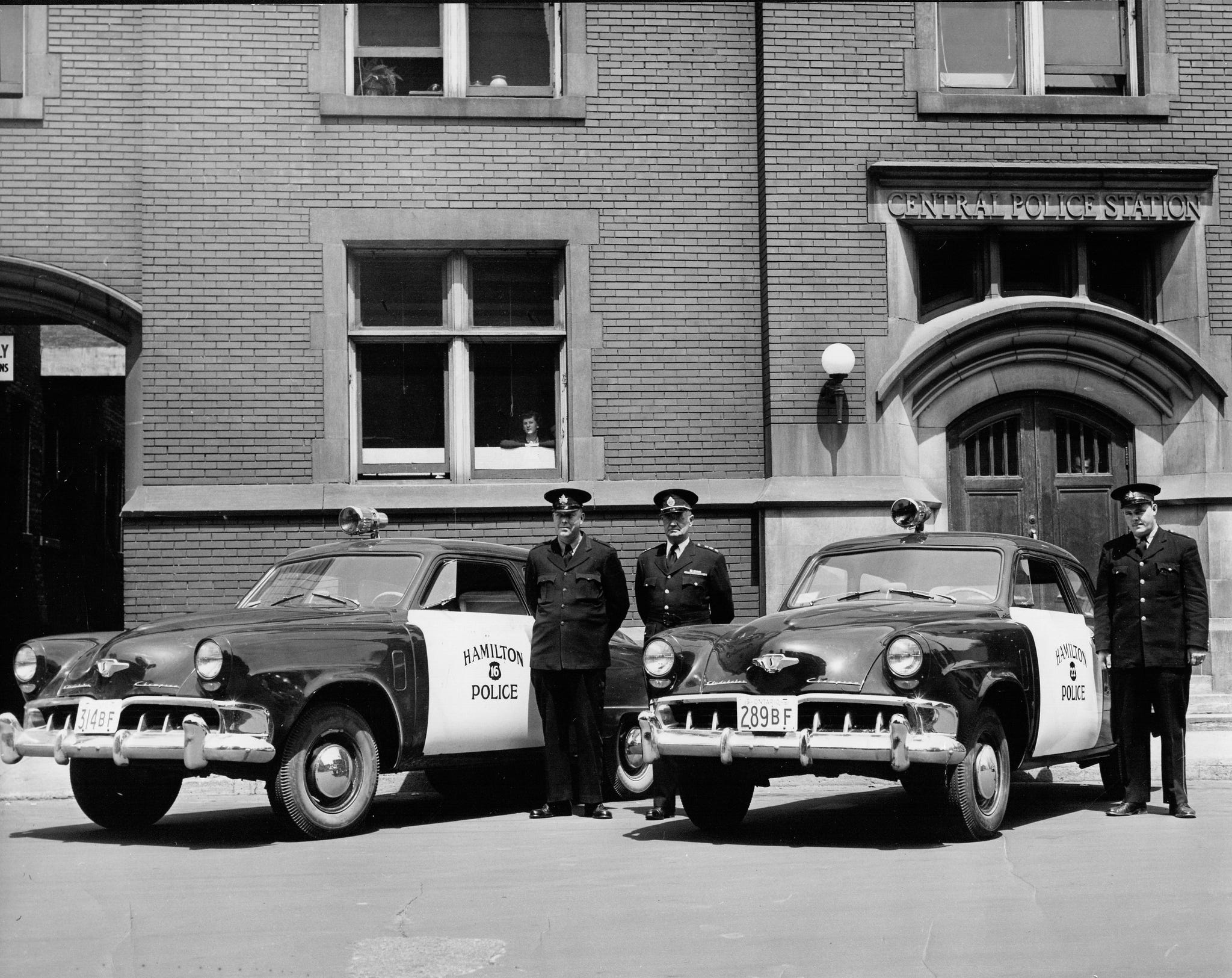
Credit: www.roadandtrack.com
Police Cars Around the World: Same Goal, Different Styles
Now let’s zoom out.
Police cars may look different across countries.
But the goal is always the same.
That goal is visibility, trust, and safety.
Still, how countries achieve this can vary.
Police Cars in the United States
In the U.S., black and white police cars are everywhere.
City police.
County sheriffs.
Highway patrol.
The design has become part of American culture.
Movies.
TV shows.
News footage.
Over time, this look became deeply familiar.
That familiarity matters.
When people recognize something, they trust it faster.
Police Cars in Europe
In many European countries, police cars use:
- Bright colors
- Reflective strips
- Blue and yellow patterns
These designs focus heavily on night visibility.
However, contrast is still the main idea.
Light colors against dark roads.
Bold shapes against moving traffic.
Different look.
Same science.
Police Cars in Asia
In countries like Japan, police cars are often white with dark accents.
The design feels clean and calm.
Still, the contrast remains strong.
I remember visiting a busy city abroad and spotting a police car instantly, even though it looked different from what I knew back home. That moment made me realize something important.
Our brains don’t just learn one design.
They learn contrast and pattern.
The Science of Visibility (Made Simple)
Let’s keep this easy.
Our eyes notice edges first.
Black next to white creates sharp edges.
Sharp edges mean fast recognition.
That’s why black and white police cars work so well.
No thinking needed.
No effort required.
Your brain does the job for you.
The Psychology of Authority on the Road
Now let’s talk about authority.
Authority does not mean fear.
Authority means order.
Black has long been linked to strength and control.
White balances that strength with openness.
Together, they send a clear message:
“There are rules, and they are fair.”
That message helps traffic flow better.
It also reduces conflict during stops.
Why Drivers Behave Differently Around Police Cars
You may have noticed this.
When a police car appears, traffic changes.
People slow down.
Lanes become neater.
Signals get used more.
This happens even when no one is speeding.
Why?
Because visibility triggers awareness.
And awareness shapes behavior.
Police Vehicle Design and Officer Safety
This part matters deeply.
Police officers work in risky conditions.
High-visibility vehicles help keep them safe.
Passing drivers notice police cars earlier.
Earlier notice means fewer accidents.
That protects officers and civilians alike.
Why Police Car Colors Affect Traffic Safety
Traffic safety experts agree on one thing.
High contrast saves lives.
That’s why emergency vehicles often use:
- White
- Black
- Yellow
- Red
Each color has a purpose.
Police cars focus on contrast over brightness.
That’s why black and white remain effective.
Why Police Cars Are Often the Same Brand
Now let’s talk about something people often ask.
“Why do police cars look so similar?”
One reason is manufacturer partnerships.
Companies like Ford design vehicles specifically for police use.
These vehicles are built to:
- Run all day
- Handle fast stops
- Stay safe in crashes
Departments trust what works.
That trust builds consistency.
The Role of Consistency in Law Enforcement
Consistency builds confidence.
When police cars look similar, people know what to expect.
No confusion.
No doubt.
No hesitation.
That helps during emergencies.
Personal Experience: Learning to Notice Design
I’ll share something small but real.
After researching this topic, I started paying closer attention to police cars.
Not just the colors.
But the placement.
The angles.
The markings.
Now, I spot them faster than ever.
And honestly, that makes me feel safer.
Not watched.
Not judged.
Just aware.
Do Police Departments Test Colors Before Choosing Them?
Yes. Many do.
Departments often test designs before adoption.
They look at:
- Visibility
- Public response
- Maintenance cost
Design is not guesswork.
It’s tested.
How Police Car Design Supports Community Trust
Community trust does not happen overnight.
It grows through small signals.
Visible police presence is one of them.
Black and white police cars act as moving signals.
They show order without words.
That quiet presence matters.
Are Unmarked Police Cars Less Effective?
Unmarked cars serve a different role.
They help catch dangerous behavior.
But for public safety and reassurance, marked cars work better.
People want to see police when they need help.
Marked cars provide that comfort.
Why Police Cars Still Matter in the Digital Age
Some people think technology replaces visibility.
That’s not true.
Apps can help.
Cameras can record.
But physical presence still matters.
Seeing a police car changes behavior instantly.
That power remains unmatched.
The Balance Between Authority and Approachability
Modern policing aims for balance.
Strong but fair.
Visible but calm.
Black and white police cars support that balance.
They look serious without being aggressive.
That matters in today’s world.
What Would Happen If Police Cars Blended In?
Let’s imagine that.
If police cars looked like normal cars:
- People would spot them slower
- Emergencies would feel more chaotic
- Officers would face higher risk
Blending in has a place.
But visibility saves lives.
Why Are Police Cars Black And White Still Relevant?
Because the world is busy.
Roads are crowded.
Attention is limited.
Black and white cut through the noise.
The Future of Police Car Design: What Comes Next?
Let’s look ahead.
Police cars will change.
There is no doubt about that.
Technology keeps moving.
Cities keep growing.
Community needs keep shifting.
But one thing will stay important.
Visibility.
Eco-Friendly Police Cars
Many departments are already testing:
- Electric patrol cars
- Hybrid police vehicles
- Low-emission engines
These help reduce costs and pollution.
Still, even these new vehicles often keep high-contrast designs.
Why?
Because people must see police cars quickly.
That rule never changes.
Smarter Police Vehicles
Future police cars may include:
- Smart cameras
- Live traffic analysis
- Real-time alerts
These tools help officers react faster.
But even with smart tech, the outside design still matters.
A police car must be seen before it can help.
Community-Friendly Looks (Without Losing Authority)
Some departments are experimenting with softer designs.
They aim to look less intimidating.
That’s understandable.
Still, contrast remains key.
Black and white may shift slightly in tone.
But strong visual contrast will remain.
Why High Contrast Will Always Matter
Roads are busy.
People are distracted.
Phones.
Music.
Navigation screens.
In this world, visibility must fight for attention.
Black and white win that fight.
Every time.
Frequently Asked Questions (FAQs)
Below are detailed answers to the most common questions people ask about police car colors.
Can police cars be any color?
Yes, police cars can be many colors, depending on local rules and needs. However, departments usually choose high-contrast colors because they improve visibility, public recognition, and safety during emergencies, traffic stops, and patrols.
Why are police cars black with white doors?
Black cars with white doors create strong contrast, making police vehicles easier to recognize from far away. This design improves safety, visibility, and authority, especially during traffic stops and roadside emergencies.
Do police car colors really affect driver behavior?
Yes, police car colors strongly affect driver behavior. High-contrast designs make drivers more alert, encourage slower speeds, and increase rule-following, even when no traffic violation is happening.
Why do some police cars look different today?
Some police cars look different because departments adapt designs to local needs, community trust goals, or visibility conditions. Still, most designs keep strong contrast to maintain recognition and safety.
Are black and white police cars more effective than other colors?
In many cases, yes. Black and white offer the highest contrast possible, which helps people spot police cars faster than single-color designs, especially in complex traffic environments.
Why do undercover police cars not use black and white?
Undercover police cars serve a different purpose. They are designed to blend in, not stand out. Marked black and white police cars focus on visibility, safety, and public reassurance instead.
Final Thoughts: Why This Iconic Design Still Works
Let’s bring it all together.
Police cars are black and white because:
- They are easy to see
- They are easy to trust
- They improve safety
- They guide behavior
- They protect officers and civilians
This design is not random.
It is intentional.
It is tested.
And it works.
The next time you see a black and white police car, pause for a moment.
Notice how fast your eyes catch it.
Notice how your behavior shifts.
Notice how calm awareness replaces confusion.
That’s good design doing its job.