

How Many Square Feet is a 2 Car Garage: Space Guide
If you are planning a garage, let me ask you something first.
Have you ever tried to park two cars in a space that technically fits them—but feels tight every single day?
I have.
And honestly, that experience taught me why this question matters so much:
How many square feet is a 2 car garage?
At first, this sounds like a simple math problem.
However, once you start planning, you quickly learn it is not that simple at all.
Today, I want to walk you through this topic step by step, as if we are having a real conversation. I will explain the numbers, share personal lessons, and help you choose a garage size that actually works in real life—not just on paper.
By the end, you will know:
- The standard size of a 2 car garage
- The ideal size based on your needs
- Common mistakes people make
- How to plan for storage, future cars, and resale value
So, let’s start from the beginning.
What Does “2 Car Garage” Really Mean?
When people say “2 car garage,” they often imagine a wide open space where two cars fit with room to spare.
However, in reality, the term only means the garage is designed to park two vehicles—nothing more.
That means:
- It does not guarantee storage space
- It does not guarantee walking room
- It does not guarantee door clearance
In fact, I have seen many “2 car garages” where opening both car doors at the same time feels like a puzzle.
So, when we talk about how many square feet is a 2 car garage, we are really asking a deeper question:
👉 How much space do I need to park two cars comfortably and live with it every day?
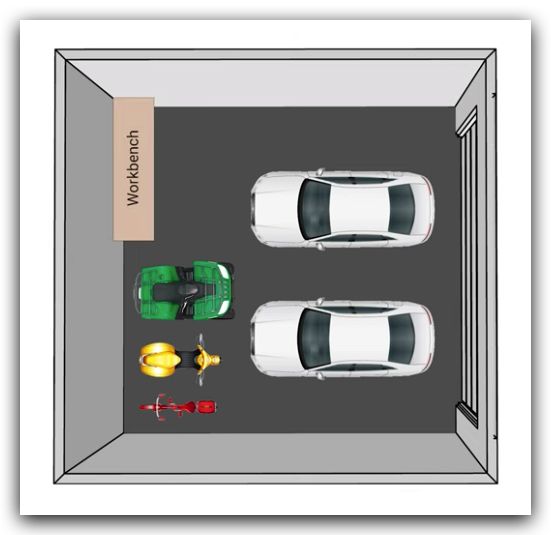
Credit: shedsunlimited.net
How Many Square Feet Is a 2 Car Garage? (The Clear Answer)
Let’s get straight to the answer.
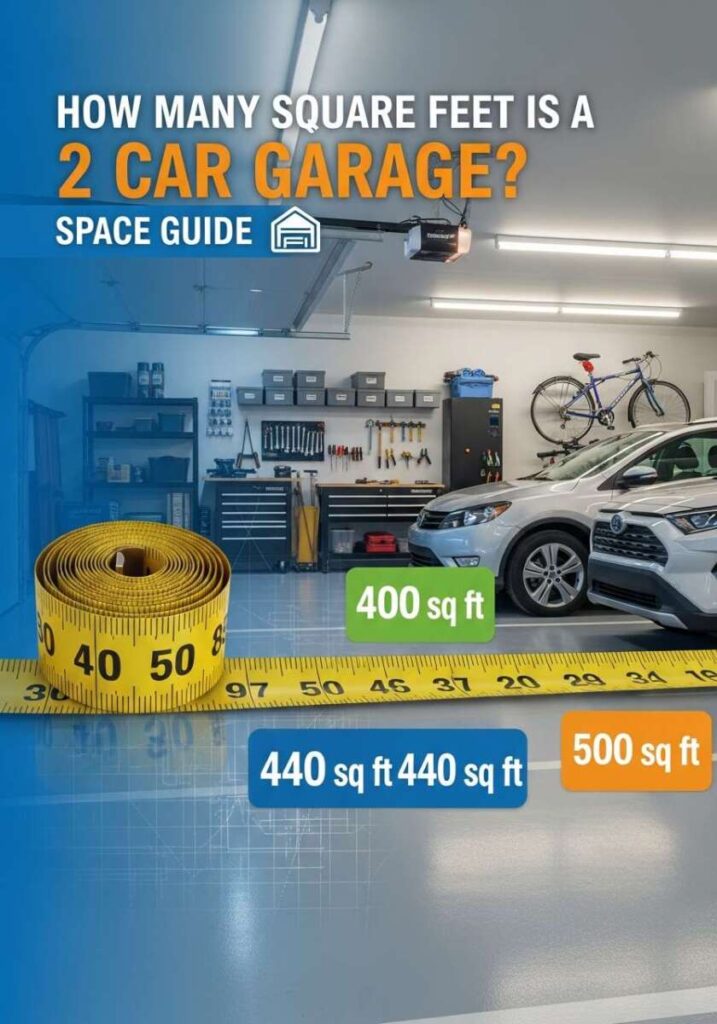
👉 A standard 2 car garage is usually between 400 and 600 square feet.
Most commonly, you will see sizes like:
- 400 sq ft (20 × 20 feet)
- 440 sq ft (22 × 20 feet)
- 484 sq ft (22 × 22 feet)
- 576 sq ft (24 × 24 feet)
Now, here is the key point many people miss:
400 square feet is the minimum.
500–600 square feet is where comfort begins.
I always tell beginners this:
“You can fit two cars in 400 square feet.
You can live with two cars in 550 square feet.”
Standard 2 Car Garage Dimensions (Width, Length, Height)
Standard Width
Most 2 car garages are:
- 18 to 24 feet wide
- The sweet spot is 22 to 24 feet
Why width matters:
- Car doors need space to open
- People need space to walk
- Storage often goes along walls
Standard Length
Garage length is usually:
- 20 to 24 feet long
However:
- Larger vehicles need more length
- Trucks and SUVs often need 22–24 feet
Standard Ceiling Height
Most garages have:
- 7 to 9 feet of ceiling height
If you want overhead storage or taller vehicles:
- 9 feet is far more flexible
Minimum vs Ideal 2 Car Garage Size
Let’s break this down in a very practical way.
Minimum Size (Barely Functional)
- 20 × 20 feet (400 sq ft)
- Fits two small cars
- Very tight door clearance
- Almost no storage
This works if:
- You drive compact cars
- You do not need storage
- Budget is very tight
Ideal Size (Comfortable for Most People)
- 22 × 22 or 24 × 24 feet
- 484–576 square feet
- Easy parking
- Room for shelves or bikes
This is what I usually recommend.
Oversized or Luxury Size
- 600+ square feet
- Trucks, SUVs, storage, workshop
- Higher resale value
How Car Size Affects Garage Square Footage
Here is something I always remind people:
Cars are getting bigger.
Sedans
- Need less width
- Still need door clearance
SUVs
- Wider doors
- Higher roof
- More walking space needed
Pickup Trucks
- Longer beds
- Often need 24 feet of length
When I upgraded from a sedan to an SUV, my old garage suddenly felt very small. That change alone made me realize why planning ahead matters.
Door Size and Clearance Needs
Most 2 car garages use:
- One double door (16 feet wide)
or - Two single doors (8–9 feet each)
Double doors:
- Easier entry
- Less wall space
Single doors:
- More flexible layout
- Better insulation
Always plan:
- At least 3 feet of walking space
- Enough room to fully open doors
Real-Life Experience: What I Learned the Hard Way
Let me share something personal.
Years ago, I thought:
“A 20 × 20 garage will be enough.”
On paper, it was perfect.
In real life:
- Doors hit walls
- Storage took over floor space
- Parking felt stressful
Eventually, I added wall shelves and still felt cramped.
That experience taught me one simple rule:
If you are unsure, go bigger.
A few extra feet feel small on a blueprint—but huge in daily life.
Storage Space: How Much Extra Room You Really Need
Most garages end up storing:
- Bikes
- Lawn tools
- Holiday decorations
- Sports gear
That storage needs space.
Best solutions:
- Wall shelving
- Ceiling racks
- Corner storage
If you want storage:
👉 Aim for at least 500–600 square feet

Credit: www.jdpower.com
2 Car Garage With Workspace or Hobby Area
Many people want more than parking.
You might want:
- A small workshop
- A home gym
- DIY space
For that:
- 24 × 24 feet or larger works best
- Clear zones help organization
Common 2 Car Garage Layouts
Rectangular Layout
- Most common
- Easy parking
Square Layout
- Best balance
- Ideal for storage
L-Shaped Layout
- Extra workspace
- Great for hobbies
Attached vs Detached 2 Car Garage
Attached Garage
- Convenient
- Often limited by house design
Detached Garage
- More flexible size
- Better for workshops
Ceiling Height and Vertical Space Planning
Height matters more than people think.
Higher ceilings allow:
- Overhead racks
- Better lighting
- Future upgrades
If possible:
👉 Choose 9-foot ceilings
Building Codes and Zoning Rules (Beginner-Friendly)
Always check:
- Local building codes
- Zoning setbacks
- Permit requirements
Most areas:
- Allow 400+ sq ft garages
- Require permits
Always confirm locally.
How Much Does a 2 Car Garage Cost Per Square Foot?
Typical cost:
- $50–$120 per square foot
Cost depends on:
- Materials
- Location
- Attached vs detached
Bigger garages cost more—but often add more value.
Future-Proofing Your 2 Car Garage
Think ahead.
Future needs include:
- Electric vehicle chargers
- Growing storage
- Resale value
I now always plan garages as long-term spaces—not just parking spots.
Expert Tips for Choosing the Right Garage Size
Here is my professional advice:
- Plan for the biggest car you may own
- Add storage early
- Think 10 years ahead
- Avoid minimum sizes if possible
Quick Size Recommendations Based on Needs
- Cars only: 20 × 20
- Cars + storage: 22 × 22
- Cars + workshop: 24 × 24
- SUVs or trucks: 24 × 24 or larger
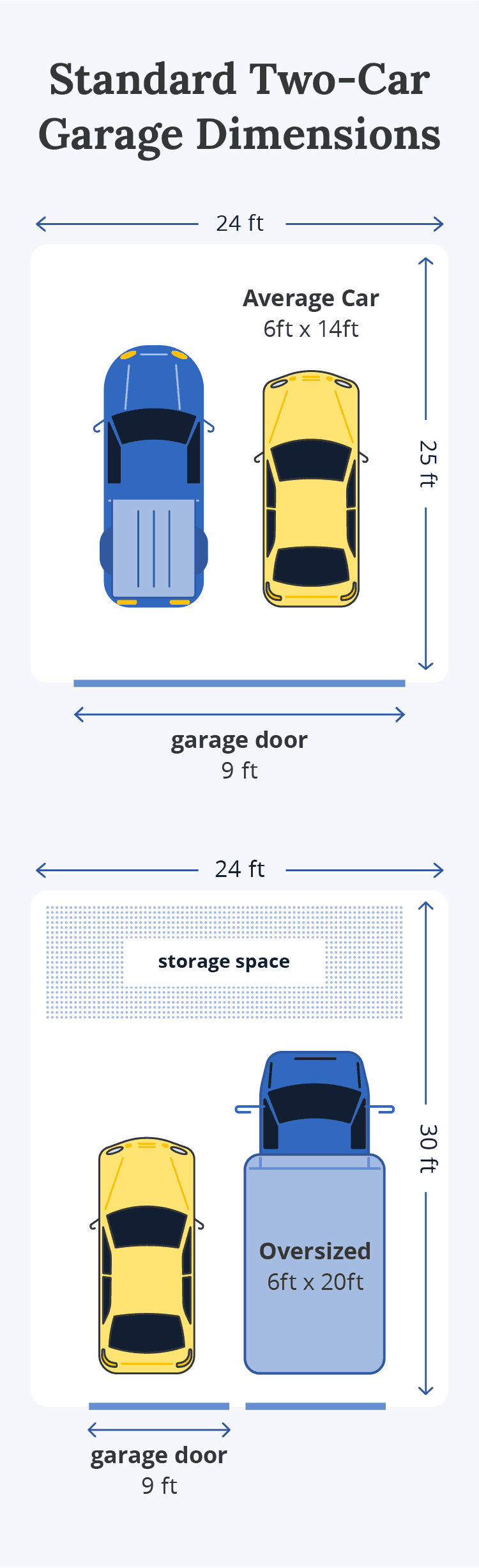
Credit: alansfactoryoutlet.com
Frequently Asked Questions
How many square feet is a standard 2 car garage?
A standard 2 car garage is usually between 400 and 600 square feet, depending on vehicle size, storage needs, and overall layout preferences.
Is 400 square feet enough for a 2 car garage?
Yes, 400 square feet can fit two small cars, but it often feels tight and leaves little room for storage or comfortable movement.
What is the most popular 2 car garage size?
The most popular size is 24 × 24 feet, or 576 square feet, because it balances parking comfort, storage, and future flexibility.
Does garage size affect home value?
Yes, a well-sized garage often increases resale value, especially when it accommodates modern vehicles and storage needs.
Should I plan for electric vehicles now?
Absolutely. Planning for EV charging during construction is easier and cheaper than adding it later.
Final Thoughts
So, how many square feet is a 2 car garage?
The short answer is 400 to 600 square feet.
The better answer is as much space as you can comfortably afford.
From personal experience, I can tell you this:
A garage that feels roomy today will still feel good years from now.
Plan wisely.
Think ahead.
And give yourself space to breathe.
If you do that, your garage will become one of the most useful spaces in your home—not just a place to park cars.