How To Remove Paint Transfer From Car Bumper: Fast Fix
Use gentle solvents, clay bar, or rubbing compound to lift paint transfer safely.
I have spent years removing paint scuffs from cars for friends, family, and side jobs. This guide shows how to remove paint transfer from car bumper step by step. I explain causes, tools, safe methods, and mistakes to avoid. Read on for clear, practical advice you can use today.
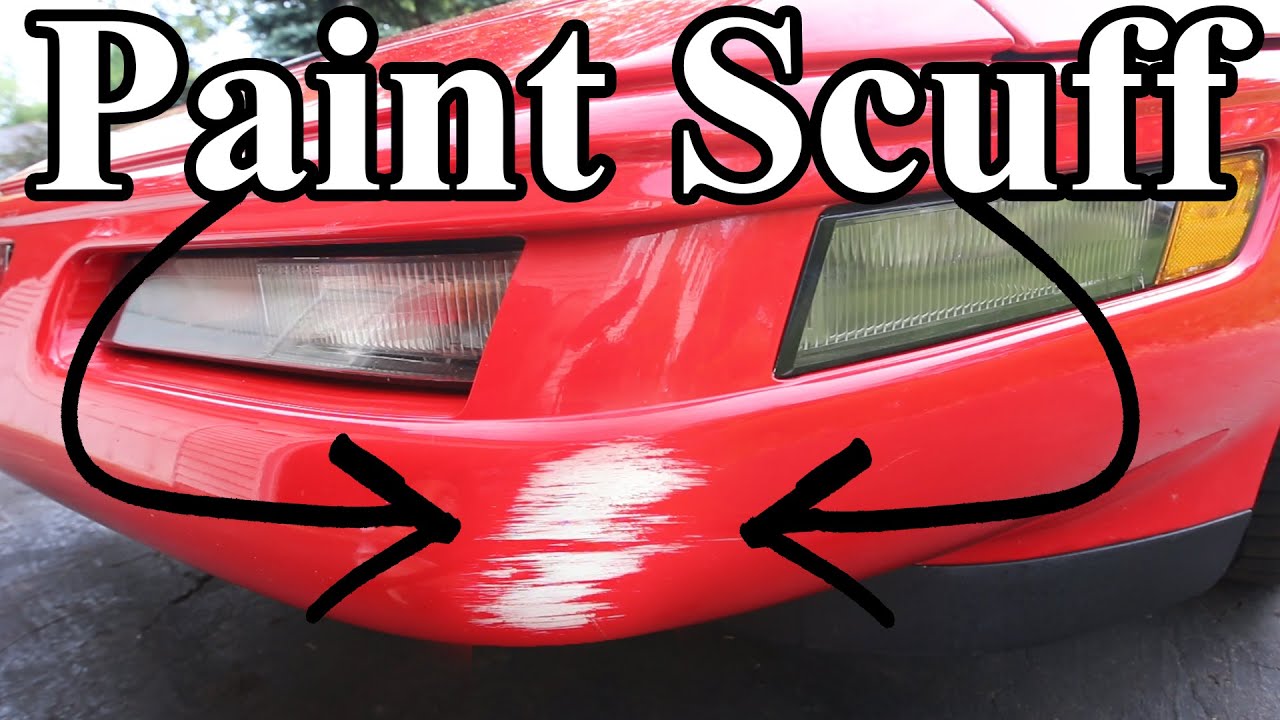
Why paint transfer happens and what it looks like
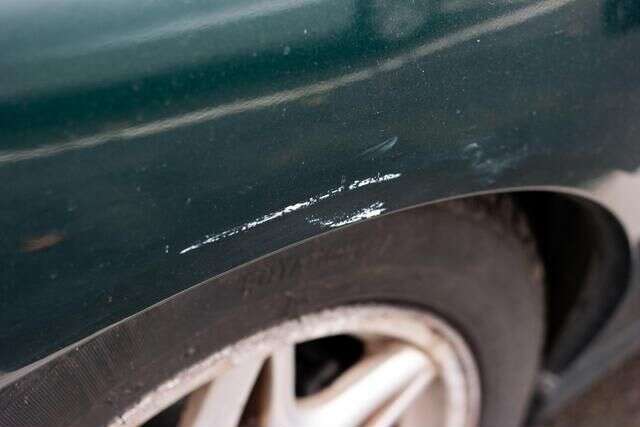
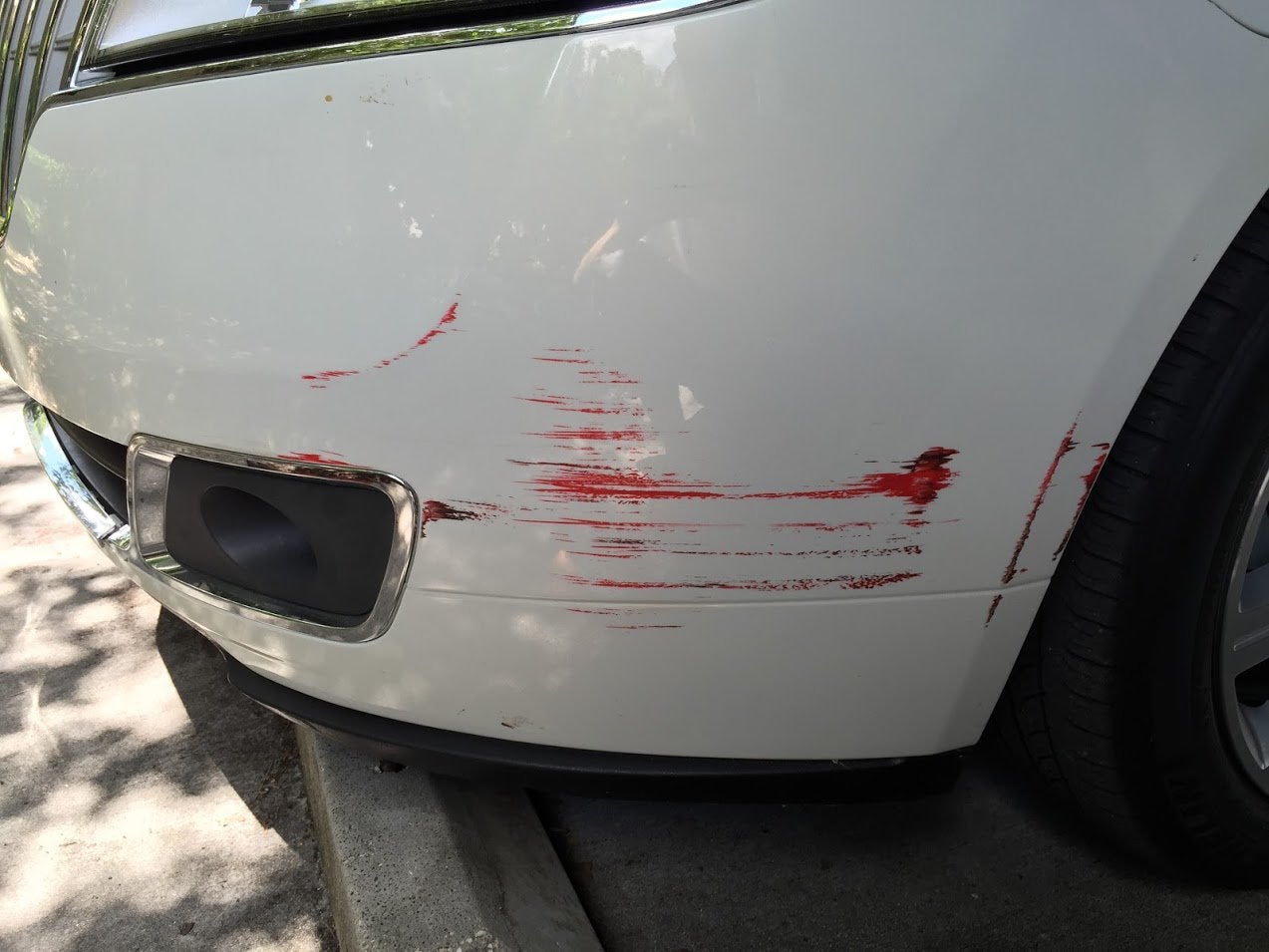
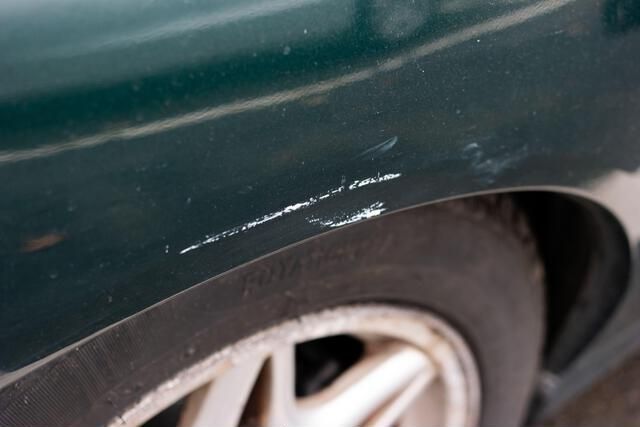
Paint transfer is the foreign paint deposited on your bumper after a fender-bender, parking scrape, or brush with another object. It can look like streaks, blobs, or thin film. The bumper’s finish may be plastic, painted metal, or clear-coated paint. Knowing the surface type helps choose the right removal method.
Tools and supplies you will need
Gathering the right tools saves time and prevents damage. Here are common items I use in every repair job.
- Microfiber towels for gentle wiping and drying.
- Car wash soap and a bucket for cleaning the area first.
- Isopropyl alcohol (70% or 91%) for light transfer.
- Automotive rubbing compound for moderate transfer.
- Clay bar and lubricant for delicate finishes.
- Automotive polish and wax for finishing.
- Fine sandpaper (2000–3000 grit) only for severe, professional fixes.
- Masking tape and gloves to protect nearby areas and your hands.
Step-by-step: How to remove paint transfer from car bumper safely
This section gives clear steps. Read each step before you act.
- Clean the area first.
- Wash with car soap and water. Rinse and dry.
- Dirt can scratch when you rub. Clean surfaces reduce risk.
- Test in a hidden spot.
- Try your chosen method in an unseen corner. Watch for finish damage.
- If the test strips the finish, stop and try a gentler method.
- Start with the gentlest method.
- Use soap and water, then a microfiber and isopropyl alcohol. Rub gently.
- This removes fresh, soft transfer.
- Use a clay bar for stuck-on transfer.
- Lubricate and glide the clay bar over the spot. Do light passes.
- Clay removes tiny paint particles without harming clear coat.
- Apply rubbing compound for stubborn marks.
- Use a small amount on a microfiber pad. Work in circular motions.
- Polish afterward to restore shine.
- Finish with polish and wax.
- Polish smooths minor abrasion. Wax protects the area.
- This restores depth and blends the repair.

Alternative methods and when to use them
Not all solutions work for every case. Match tool to damage level.
- Soap, water, and alcohol:
- Best for fresh or light transfer and for non-painted trims.
- Clay bar:
- Best for light to moderate transfer on clear coated paint.
- Rubbing compound:
- Best for medium, embedded transfer; use carefully to avoid removing clear coat.
- Commercial tar and paint removers:
- Use only automotive-safe products and follow instructions closely.
- Fine sanding and repainting:
- Reserved for deep gouges where paint is removed or bumper plastic is damaged.
Safety and precautions
Protect the car and yourself. Quick, careful work prevents more damage.
- Always test first in a hidden area.
- Wear gloves and eye protection with chemicals.
- Avoid acetone or household paint strippers on clear coat. They can remove factory finish.
- Work in shade and on a cool surface. Heat can make compounds less predictable.
- If you feel resistance or see color fade, stop and reassess.

Aftercare: restoring shine and protection
After removal, help the finish last longer with proper aftercare.
- Polish the area to blend texture and gloss.
- Apply a protective wax or paint sealant to the repaired spot.
- Maintain washing routine to monitor any changes.
- If you used aggressive compound, consider a professional inspection to check clear coat depth.

When to seek professional help
Some cases need a pro. Don’t force a DIY fix if risks are high.
- Large areas of transfer that cover most of the bumper.
- Clear coat is damaged or paint is flaking.
- The bumper has structural cracks or deep gouges.
- You are not confident removing compound without causing swirl marks.

Common mistakes to avoid
I learned these the hard way. Avoid them to save time and money.
- Rushing and skipping the test spot.
- Using harsh solvents like nail polish remover on clear coat.
- Applying too much pressure with a compound or clay bar.
- Forgetting to finish with polish and wax.
- Attempting to sand or repaint without the right tools or experience.

Personal experience, tips, and real-world examples
I started helping neighbors with scuffs years ago. One car had heavy transfer from a parking lot scrape. I used clay bar and a light rubbing compound. The finish came back without repainting. Key lessons I learned are simple and practical.
- Always clean first. Dirt grinds and makes matters worse.
- Use the gentlest method that works. Less is more.
- Keep extra microfiber towels and fresh clay bars. Old clay can pick up grit.
- If you plan to sell the car, a pro detail or paint correction may add value.
Quick semantic questions (PAA-style)
What removes paint transfer without damaging clear coat?
Use a clay bar with lubricant or isopropyl alcohol for light transfer. Always test on a hidden spot first.
Can household items remove paint transfer?
Some items like isopropyl alcohol or baking soda paste can help light marks. Avoid acetone and harsh solvents that remove factory finish.
Will waxing hide paint transfer?
Wax can help blend small marks and protect the area after removal. Wax does not remove transfer; it hides minor imperfections.
Frequently Asked Questions of How to remove paint transfer from car bumper
How long does paint transfer removal take?
Small scuffs can take 10 to 30 minutes. Larger or embedded transfer may take one to several hours.
Will rubbing compound remove my clear coat?
Rubbing compound can remove a thin layer of clear coat if used aggressively. Use sparingly and test first.
Can I use a magic eraser on my bumper?
A magic eraser can help light transfer on plastic trims but can dull gloss on painted areas. Test in an unobtrusive spot first.
Is it safe to remove paint transfer myself?
Yes, most light transfers are safe to remove with common tools. Follow steps, test, and stop if damage appears.
When should I repaint the bumper?
Repaint if the factory paint is scraped off, the clear coat is gone, or repair cannot blend the area. Professional repainting gives the best match.
Final thoughts and next steps
You now know how to remove paint transfer from car bumper with safe methods and clear steps. Start with cleaning and testing, then move from gentle to stronger options. Protect the finish with polish and wax when you are done. Try these tips on a small scrape first, and leave complex jobs to pros. If this helped, try the methods on your car and share your results or questions below.