How To Protect Car Paint From Sun Damage: Essential Tips
Use shade, wax, ceramic coatings, and paint film to block UV and heat damage.
I’ve worked on cars for over a decade. I know exactly how the sun breaks down clear coats, softens paint, and fades color. This guide explains how to protect car paint from sun damage with easy, proven steps you can use today. I’ll share practical tips, product choices, routine schedules, and mistakes I learned from—so your paint stays glossy and strong for years.

How to protect car paint from sun damage: Understanding the risk
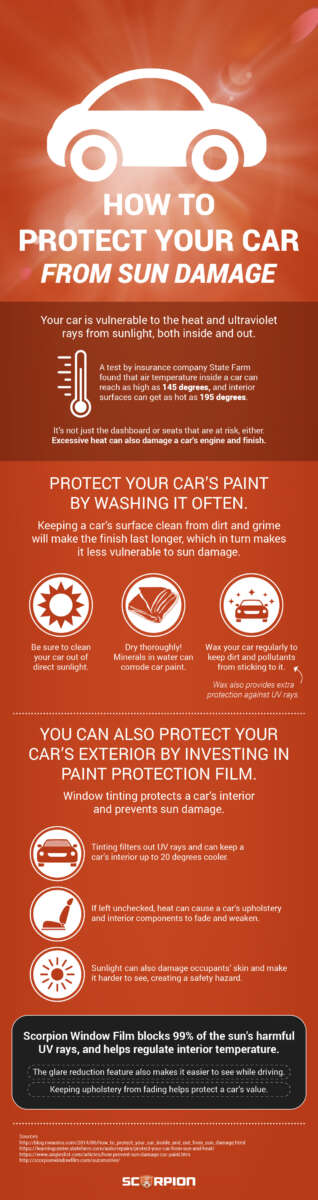
Sunlight contains ultraviolet (UV) rays and heat. UV breaks down the clear coat and pigments. Heat accelerates oxidation and can cause paint to chalk or peel. Knowing this helps you pick the right protection and maintenance steps that actually work.
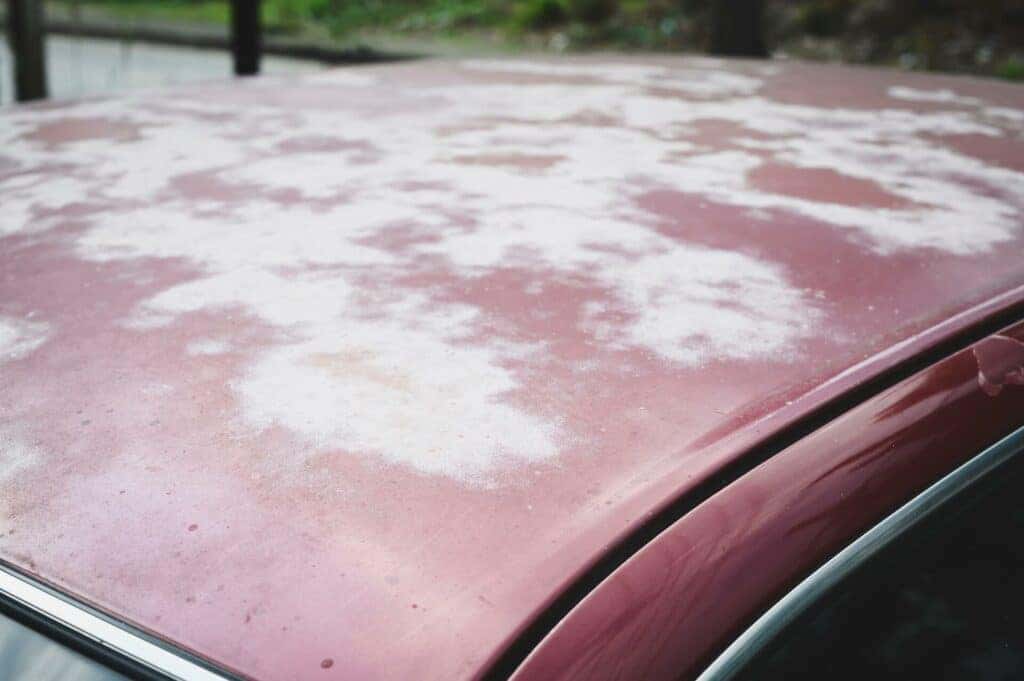
Signs of sun damage to watch for
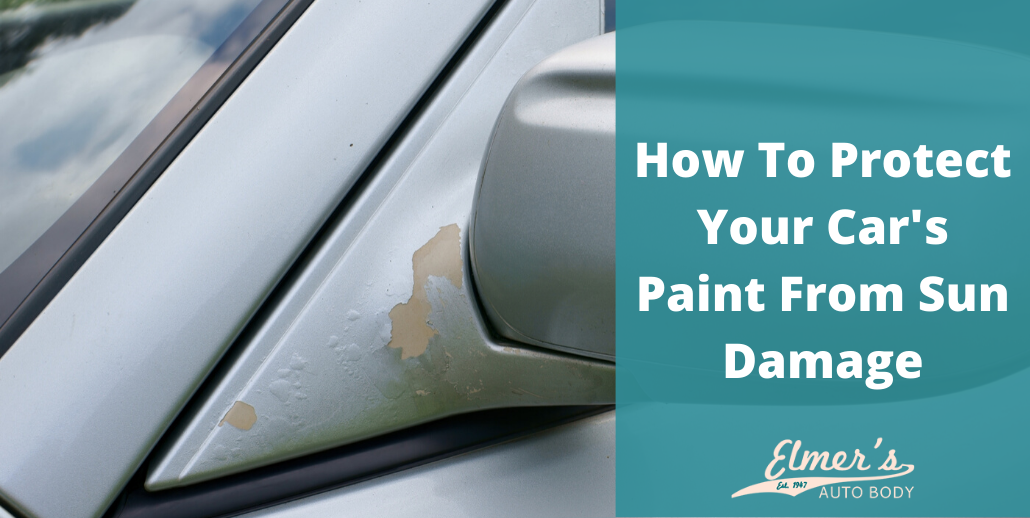
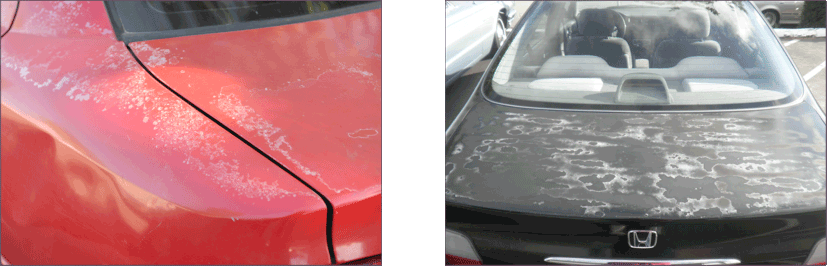
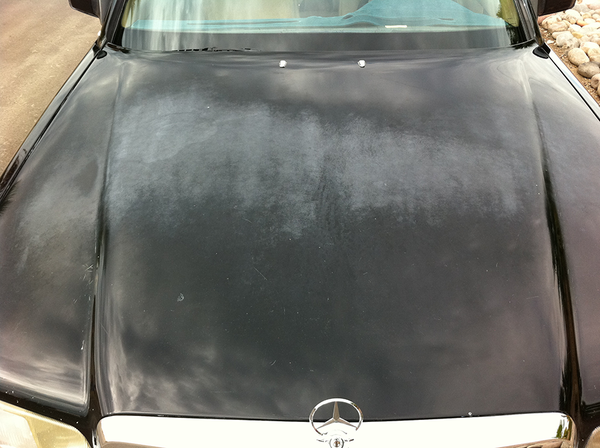
Fading color after a few summers. Clear coat that looks dull or matte. Tiny cracks or spiderwebbing in the clear coat. Paint that feels rough even after washing. Catching these signs early makes repair easier and cheaper.

Core strategies to protect paint from sun damage
Use shade whenever possible
• Park under trees, canopies, or covered garages.
• Even partial shade cuts UV exposure significantly.
Apply wax regularly
• Wax creates a sacrificial layer that blocks UV and reduces oxidation.
• Use a carnauba or synthetic sealant every 2–3 months for best results.
Invest in a ceramic coating
• Ceramic coatings bond to the clear coat and resist UV better than wax.
• One professional application can protect paint for 1–5 years depending on the product.
Consider paint protection film (PPF)
• PPF is a clear, durable film applied to vulnerable panels.
• It deflects UV, stone chips, and minor abrasions while preserving gloss.
Use a quality car cover
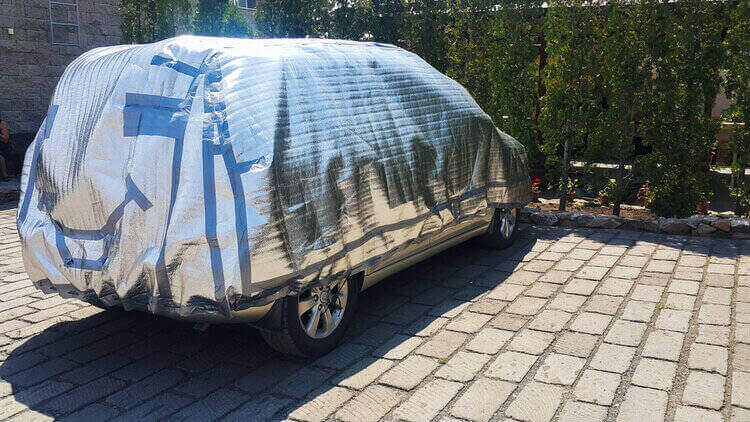
• A breathable, UV-reflective cover protects when you lack shade.
• Choose a cover sized to your vehicle to avoid rubbing that can abrade paint.
Regular gentle washing
• Dirt and bird droppings hold UV and acid against paint.
• Wash with a pH-balanced shampoo and soft microfiber wash mitts.
Choosing between wax, sealant, ceramic coating, and PPF
Short-term protection: wax
• Pros: inexpensive, easy DIY, great shine.
• Cons: lasts weeks to months, less durable vs UV.
Mid-term protection: synthetic sealants
• Pros: better longevity (months), easier maintenance.
• Cons: lower hydrophobic performance than ceramic.
Long-term protection: ceramic coatings
• Pros: strong UV resistance, hydrophobic surface, easier washing.
• Cons: cost higher, prep and application matter for durability.
Maximum protection: paint protection film
• Pros: physical barrier, great for front bumpers, hoods, and mirrors.
• Cons: visible edges if poorly installed, higher cost.
Step-by-step routine to protect paint from sun damage
Daily or as-needed
• Park in shade or use a car cover.
• Remove bird droppings, sap, and bugs quickly.
Weekly
• Rinse or lightly wash to remove grit.
• Dry with a microfiber towel to avoid water spots.
Monthly to quarterly
• Apply quick detailer or spray sealant after washing.
• Inspect for chips and early fade.
Annually
• Reapply wax or have a ceramic boost if needed.
• Consider professional PPF installation on high-impact areas.
DIY vs professional application: when to call a pro
DIY works well for waxes, wash routines, and consumer ceramic kits. Professionals are better for full ceramic coatings, proper machine polishing, and PPF installation. I’ve seen DIY ceramic jobs fail when prep is rushed. Proper surface prep and curing make the biggest difference.
Product selection and application tips
Pick UV-rated products
• Look for UV inhibitors listed on labels or product data sheets.
• Choose products formulated for automotive clear coats.
Prep well before sealing or coating
• Use clay bars and light polish to remove contamination.
• Coatings bond to clean surfaces; skip prep and you shorten life-span.
Follow cure times and instructions
• Many ceramic coatings need 24–72 hours to fully bond.
• Avoid washing or heavy exposure during cure.
Common mistakes and how to avoid them
Skipping prep before coating
• Mist: applying coating over contaminants.
• Fix: clay and polish first.
Relying only on wax for long-term protection
• Mist: assuming wax lasts like ceramic.
• Fix: combine wax with shade and regular washing.
Using non-breathable covers
• Mist: trapping moisture and promoting oxidation.
• Fix: use breathable, UV-reflective covers.

Costs and value: what to budget for protection
Low cost
• Wax and covers: minimal upfront. Good for casual use.
Mid cost
• DIY ceramic kits and professional waxing: moderate investment.
High cost
• Professional ceramic coatings and PPF: higher upfront, but reduce repaint needs.
Think of protection costs as insurance for paint. Spending more once often saves on repainting later.
Personal experience and practical lessons
I once saved a leased car from severe fading by applying a ceramic coating before summer. The car stayed glossy through intense sun. I also learned not to rush prep—one poorly cleaned hood showed halos after a week. My best tip: test a small area before committing to a product on the whole car.
People also ask — short answers
Will wax protect my car from sun damage?
Wax provides a temporary barrier against UV and oxidation. It helps for weeks to months but needs frequent reapplication.
Is ceramic coating worth it for sun protection?
Yes. Ceramic coatings offer long-term UV resistance and make cleaning easier. They cost more but last longer than wax.
Can paint protection film prevent fading?
PPF mainly protects from chips and physical wear. It helps UV protection when the film has UV inhibitors and covers painted areas.
Frequently Asked Questions of How to protect car paint from sun damage
What is the best way to prevent sun damage on car paint?
The best approach is layered protection: park in shade, wash often, apply wax or sealant, and use ceramic coatings or PPF for long-term defense.
How often should I wax to protect paint from sun damage?
Wax every 6–12 weeks depending on product and exposure. Synthetic sealants can extend that interval to several months.
Does ceramic coating completely stop UV damage?
Ceramic coatings greatly reduce UV damage but do not make paint indestructible. Proper prep and occasional maintenance still matter.
Can a car cover trap moisture and harm paint?
Non-breathable covers can trap moisture and cause issues. Use a breathable, UV-reflective cover to avoid problems.
Is professional installation necessary for paint protection film?
Professional installation is recommended for seamless edges and correct fitment. DIY kits exist, but fit and finish vary.
Final thoughts
Protecting your paint pays off over time. Use shade, clean regularly, and layer protection with wax, sealants, ceramic coatings, or PPF based on your budget and needs. Small habits—quick rinses, spot cleaning, and choosing the right cover—make a big difference. Start with one step today and build a routine to keep your car looking great for years. Share your experience, ask a question below, or subscribe for more practical car-care advice.