How To Clean Alloy Wheels Without Wheel Acid: Safe Tips
Clean alloy wheels safely using gentle detergents, brushes, and elbow grease—no acid needed.
I’ve spent years restoring and caring for alloy wheels. I will show clear, tested methods for how to clean alloy wheels without wheel acid. You will get step-by-step directions, tool lists, stain fixes, and real tips from hands-on experience. Read on to learn safe, effective ways to keep wheels bright without harsh acid cleaners.
Why avoid wheel acid?
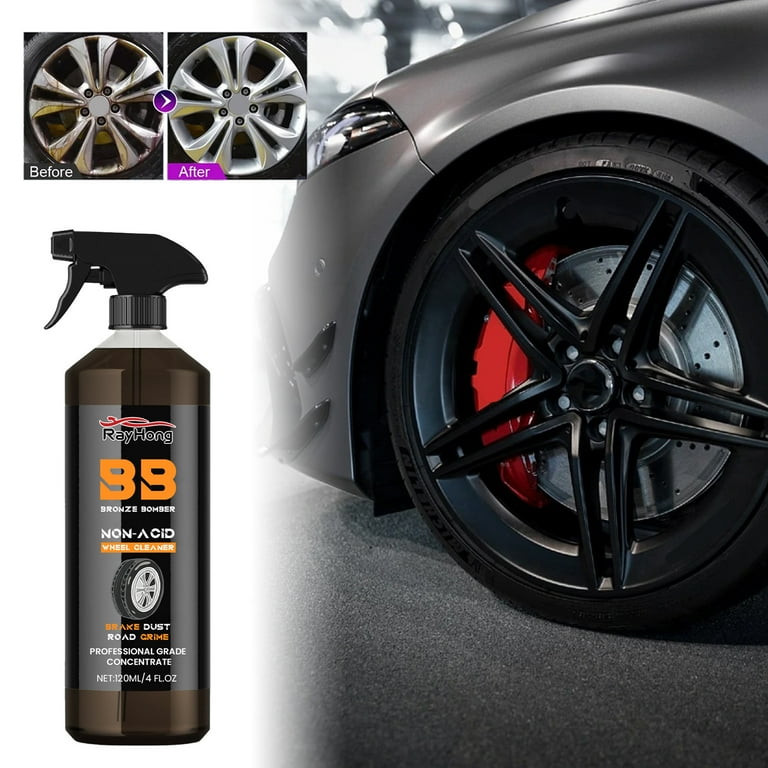
Acid-based wheel cleaners can eat paint, strip clearcoat, and pit soft alloys. Many acids react with aluminum and chrome. This damage may be slow to show but is often permanent.
You can avoid that risk. Learning how to clean alloy wheels without wheel acid keeps finish and value intact. The safer approach uses pH-neutral cleaners and mechanical action to remove grime.
Materials and safety before you start
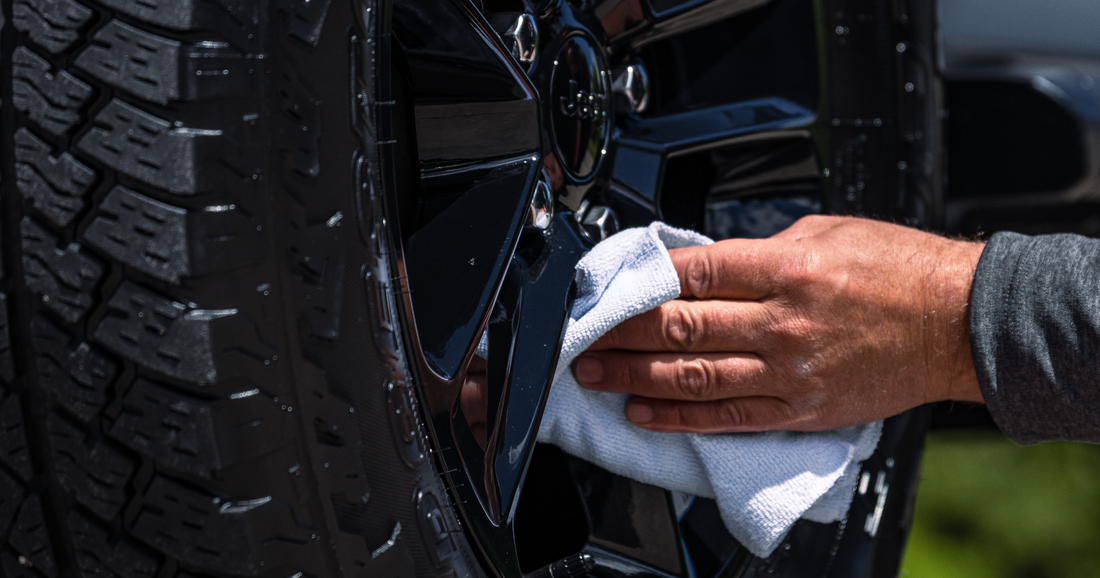
Use gloves and eye protection. Wheels can hide brake dust that irritates skin. Work in shade and on cool wheels to avoid streaks.
Gather these items:
- pH-neutral wheel cleaner or mild car shampoo.
- Soft bristle wheel brush and a detailing brush for tight spots.
- Two buckets: one for clean soap and one for rinse water.
- Microfiber wash mitts and separate microfiber towels.
- Wheel sealant or spray wax for protection.
- Optional: baking soda, white vinegar, or diluted sodium bicarbonate paste for spot cleaning.
Knowing the wheel type matters. Some alloys have clearcoat, others are polished or painted. Always spot-test cleaners on the inside lip before full use.
Tools and cleaners that work (non-acid options)
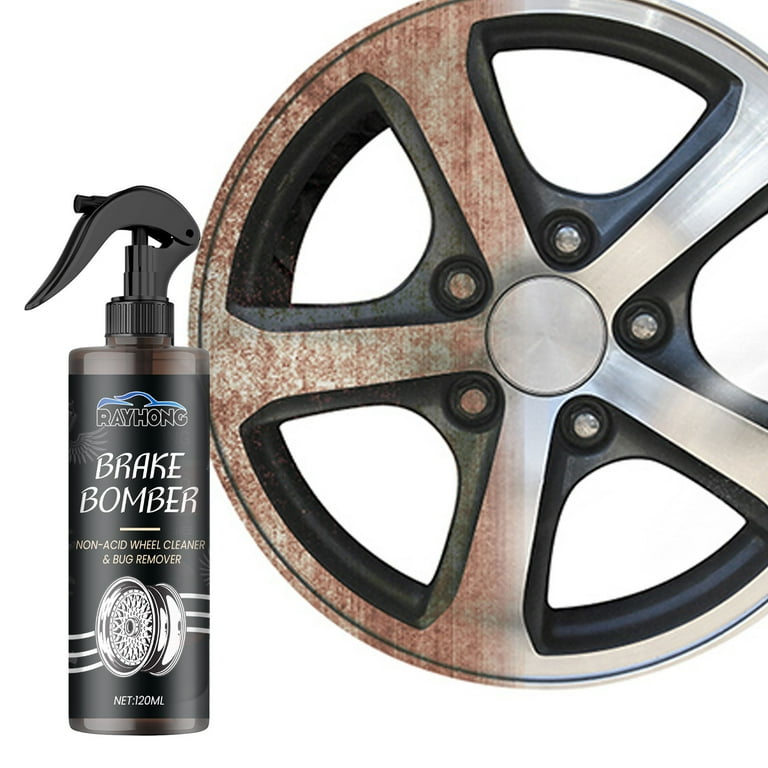
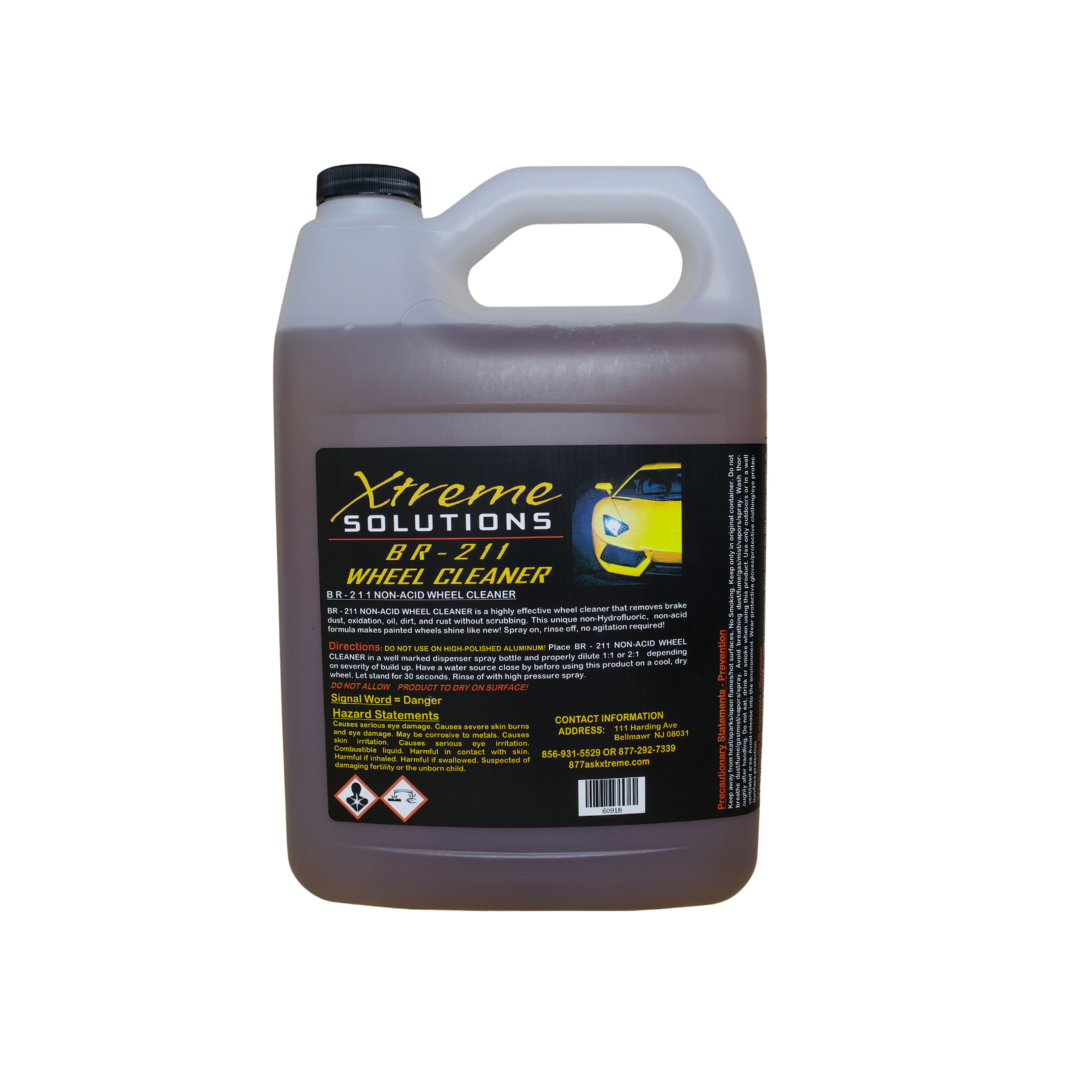
Good tools reduce scraping and over-cleaning. A soft brush and mitt do most of the job. Choose non-acid cleaners labeled pH neutral or safe for aluminum.
Recommended non-acid cleaners and solutions:
- pH-neutral wheel cleaner for regular use.
- Car shampoo mixed at a strong dilution for heavy dirt.
- Degreaser rated safe for painted metal for oily grime.
- Baking soda paste for light stains: mix with water to a spreadable paste.
- White vinegar diluted 1:4 with water for mineral spots only; rinse fast.
People also ask: Does vinegar damage alloy wheels? Diluted vinegar cleans mineral residue but can dull clearcoat if left too long. Rinse quickly and test first.
People also ask: Can baking soda remove brake dust? Yes. Baking soda is mildly abrasive and neutralizes acid; use gently and rinse well.
How to clean alloy wheels without wheel acid — Step-by-step
These steps show a safe, repeatable method. Follow each step for best results.
- Rinse
- Rinse the wheel and inner barrel with a strong spray to remove loose dust.
- Pre-soak
- Spray pH-neutral cleaner or soapy water on the wheel. Let it sit for 1–2 minutes but do not let it dry.
- Agitate
- Use a soft wheel brush on the spokes and a smaller detailing brush for lug nuts and crevices. Work from top to bottom.
- Clean inner barrel
- Clean the barrel with a long-handled brush. Brake dust collects here and can transfer back to the face.
- Rinse again
- Rinse thoroughly to remove soap, loosened dirt, and brake dust.
- Dry and inspect
- Dry with a microfiber towel. Inspect for spots or stains and repeat spot cleaning if needed.
- Protect
- Apply a wheel sealant or spray wax to repel brake dust and make future cleaning easier.
Repeat these steps monthly for city drivers and after heavy braking or track use. Practicing the steps teaches you how to clean alloy wheels without wheel acid safely and effectively.

Tackling stubborn brake dust and stains
Some marks need extra care. Hard brake dust, tar, or iron deposits require specific tactics without acid.
Options for stubborn marks:
- Iron fallout remover labeled non-acidic. These work chemically but are gentle.
- Baking soda paste rubbed gently with a damp cloth for light pitting or stains.
- Clay bar for bonded contaminants on polished or painted wheels.
- Fine polish applied with a soft pad for light oxidation or scuffs.
Avoid wire brushes or heavy abrasives on clearcoated surfaces. If you find white powdery pits, those can signal corrosion. In that case, consult a professional refinisher rather than using strong acids at home. These tips help you manage tough spots when learning how to clean alloy wheels without wheel acid.

Maintenance and protection to reduce cleaning time
Good protection cuts future work. Sealants block contaminants and lower the need for deep cleaning.
Maintenance routine:
- Rinse wheels weekly to stop dust build-up.
- Apply wheel sealant every 2–3 months.
- Use a quick detail spray between washes for sparkle.
- Avoid parking on salty roads without rinsing; salt accelerates corrosion.
A protective layer makes the next cleaning gentler and proves that the best way to clean alloy wheels without wheel acid is prevention as much as technique.

Personal experience, tips, and mistakes to avoid
I once tried a strong acid cleaner on a scratched rim. It removed grime fast. It also etched the clearcoat. I paid for a pro refinish. That taught me to prefer gentle work and test first.
Tips I use on every job:
- Keep two buckets to avoid reusing dirty water.
- Use different mitts for body and wheels to avoid cross-contamination.
- Work wheel by wheel, not the whole car at once.
- Take photos before heavy work; they help track progress and spot issues.
Common mistakes to avoid:
- Letting cleaner dry on the wheel.
- Using hard metal brushes on polished rims.
- Skipping protection after cleaning.
These small choices make a big difference when you want to clean alloy wheels without wheel acid and keep them looking new.

Frequently Asked Questions of How to clean alloy wheels without wheel acid
How often should I clean my wheels?
Clean wheels every 1–4 weeks depending on driving conditions. Frequent cleaning prevents brake dust from bonding and makes each job easier.
Can I use household vinegar to clean alloy wheels?
You can use diluted vinegar for mineral spots, but rinse quickly and test first. Do not use full-strength vinegar on clearcoated or polished surfaces.
Will non-acid cleaners remove brake dust?
Yes. Proper agitation with a pH-neutral cleaner removes most brake dust. Stubborn deposits may need mild specialty products or mechanical removal like clay.
Is baking soda safe on alloy wheels?
Baking soda is mildly abrasive and safe for spot cleaning when used gently. Rinse thoroughly and avoid heavy scrubbing on clearcoat.
What if wheels show pitting or corrosion?
Pitting or deep corrosion means a pro may be needed for repair. Avoid strong acids at home; they can worsen the damage.
Are wheel sealants necessary?
Sealants are not required but help repel dirt and make cleaning easier. They also protect the finish and extend time between deep cleans.
Can I pressure wash my wheels?
Yes, with care. Use moderate pressure and keep the wand at an angle to avoid forcing water behind seals. Do not use the highest setting close to the wheel surface.
Conclusion
You can keep rims bright and intact by learning how to clean alloy wheels without wheel acid. Use pH-neutral cleaners, soft tools, and protective sealants. Test products, work gently, and maintain a steady routine to avoid damage.
Start today: pick a gentle cleaner, gather your tools, and clean one wheel as a test. Share your results or questions below, or subscribe for more step-by-step car care guides.