How To Clean Car Dashboard Without Leaving Streaks: Tips
Use a gentle cleaner and a microfiber cloth; dry and buff to avoid streaks.
I’ve cleaned hundreds of dashboards in my years of car care work. I know what causes streaks and how to stop them. This guide shows step-by-step methods, safe products, and pro tips for how to clean car dashboard without leaving streaks. You’ll learn what works for plastic, vinyl, leather, and matte finishes. Read on to save time and keep your dash looking new.

Why dashboards streak and what causes the problem
Dashboards streak when residue, oils, or the wrong cleaner sit on the surface. Heat and sunlight make cleaners evaporate fast and leave marks. Old residue from polish or sunscreen can smear. Some materials, like matte vinyl, show streaks more easily. Knowing the cause makes it easier to fix.

Tools and supplies you need
Here are the items that help you clean well and avoid streaks.
- Microfiber cloths low-lint and soft for drying and buffing.
- Soft-bristle brush for vents and crevices.
- Spray bottle to mist cleaners lightly.
- Gentle all-purpose cleaner pH-neutral or a dedicated dashboard cleaner.
- Isopropyl alcohol 70% for spot cleaning sticky residues.
- Distilled water to mix solutions and avoid mineral spots.
- Cotton swabs for tight areas.
- UV protectant or matte finish protectant appropriate to the dash material.
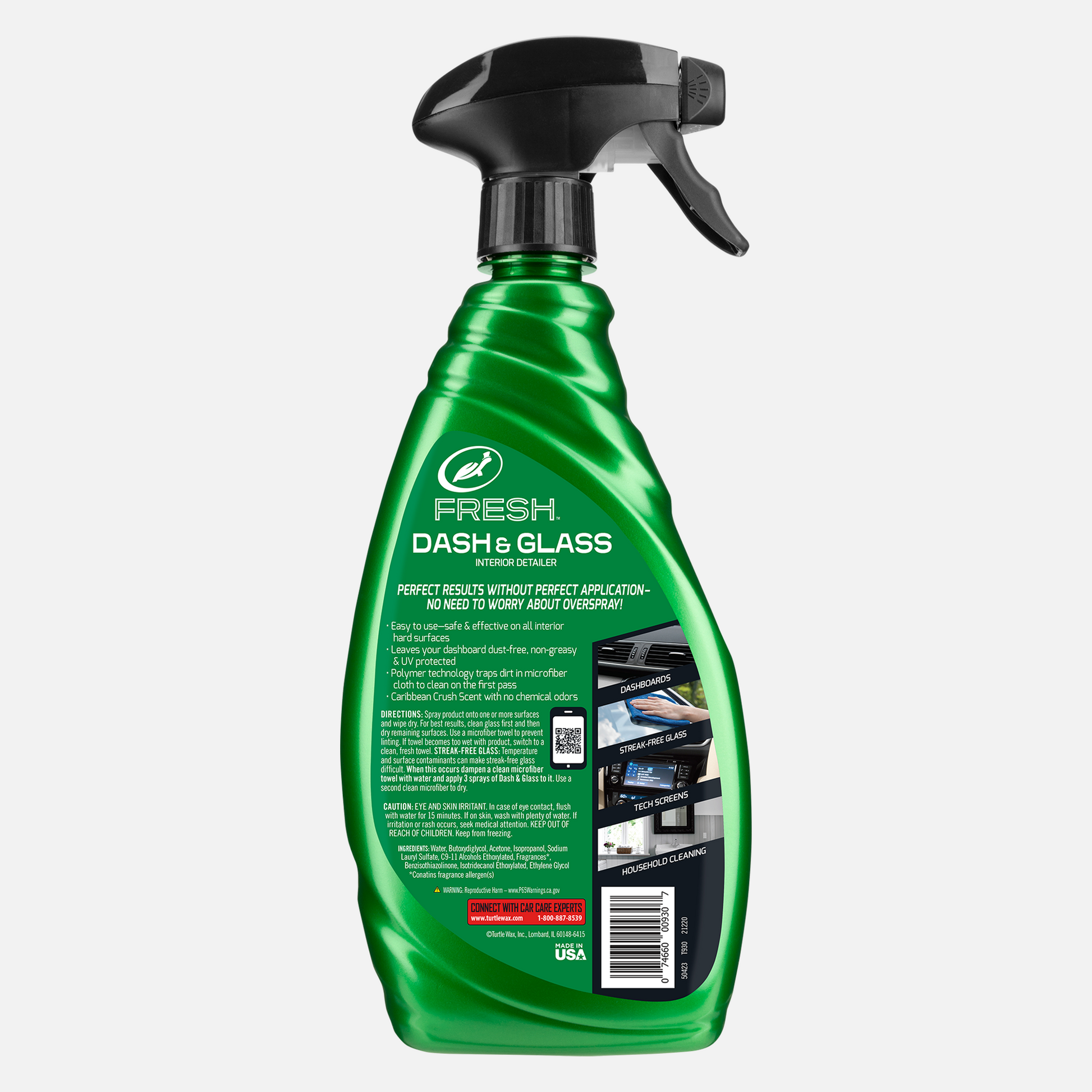
Step-by-step: How to clean car dashboard without leaving streaks
Follow these steps for a streak-free finish.
- Park in shade and cool the car. Heat speeds evaporation and causes streaks.
- Remove dust first. Use a dry microfiber cloth or soft brush to lift loose dust.
- Clean vents and seams. Brush or vacuum these areas to avoid pushing dirt onto the dash.
- Mix a gentle solution. Use one part distilled water and one part gentle cleaner, or use a ready-made dashboard cleaner. Avoid harsh chemicals.
- Test in a hidden spot. Spray a tiny amount on an unseen area. Wait one minute to check for color change.
- Lightly mist the cloth, not the dash. Spray the cleaner on the microfiber. This prevents pooling and streaks.
- Wipe with the grain. Use long, even strokes that follow the texture of the dash.
- Rinse and repeat with a clean cloth. Wipe again with a slightly damp cloth using distilled water to remove residue.
- Dry fully with a dry microfiber cloth. Buff in circular motions until no shine shows. Drying is key to no streaks.
- Apply a protectant sparingly if needed. Use a matte protectant for matte dashes. Buff gently after application.
This routine helps you clean car dashboard without leaving streaks every time.

Best cleaners for different dashboard materials
Choose a cleaner based on the dash material to avoid streaks and damage.
- Plastic and vinyl use pH-neutral cleaners or mild soap solution. Avoid solvents.
- Leather dashboards need a leather cleaner and conditioner. Do not use regular vinyl polish.
- Matte finishes require water-based, matting protectants. Avoid anything that adds shine.
- Glossy trims and hard plastics can use mild glass cleaner on the trim only. Avoid spraying on textured dash areas.
Always test first. Using the wrong product is the main reason dashboards streak after cleaning.

Common mistakes that cause streaks and how to avoid them
Knowing mistakes saves time and prevents streaks.
- Spraying cleaner directly on the dash causes runoff and streaks. Spray cloth instead.
- Using paper towels leaves lint and scratch marks. Use microfiber only.
- Cleaning in direct sun makes products dry too fast. Work in shade.
- Overusing protectant floods the surface and leaves a greasy film. Use a small amount.
- Skipping the rinse step leaves soap residue. Always wipe again with distilled water.
Fix these habits and your dash will stay streak-free.

Maintenance tips to keep the dashboard streak-free longer
Short habits keep things clean between deep cleans.
- Dust weekly with a dry microfiber cloth to prevent buildup.
- Wipe spills immediately to avoid sticky residue.
- Use a sunshade to cut UV damage and reduce product breakdown.
- Reapply a light protectant every 2–3 months, not weekly.
- Keep cleaners and cloths dedicated to the car. Dirty cloths reintroduce oils that cause streaks.
These simple steps reduce the need to deep clean and help maintain a streak-free surface.

Personal experience and pro tips
I once cleaned a rental fleet of ten cars in one afternoon. I used a spray-on cloth method and dried every panel. The difference was clear: no streaks, not even on matte dashboards. My biggest lessons:
- Always dry fully. Even small damp spots turn into streaks.
- Use multiple microfiber cloths. One for dirt, one for rinse, one for buff.
- For stubborn sunscreen marks, a little isopropyl alcohol on a cloth works, but rinse after.
These small habits make a big difference in how to clean car dashboard without leaving streaks.

Frequently Asked Questions of How to clean car dashboard without leaving streaks
What cleaner is best for a plastic dashboard?
Use a pH-neutral cleaner or a mild soap and distilled water mix. Spray the cloth, not the dash, to avoid streaks.
Can I use vinegar to clean the dashboard?
A mild white vinegar solution can work for tough grime, but test first and rinse well to prevent smells or dulling.
How often should I clean the dashboard to prevent streaks?
Dust weekly and do a deeper clean every 1–3 months depending on use and exposure to sunlight.
Will leather dashboards need special care to avoid streaks?
Yes. Use a leather cleaner and conditioner. Avoid water-only methods and always buff dry to remove residue.
How do I remove greasy fingerprints without leaving streaks?
Use a microfiber cloth dampened with a gentle cleaner, wipe with the grain, then dry and buff with a clean microfiber.
Conclusion
A streak-free dash is the result of the right tools, the right products, and the right steps. Clean in shade, test first, mist your cloth, and always dry and buff well. Try the routine for one car and you’ll notice the difference instantly. Take action today: gather a few microfiber cloths and a gentle cleaner, and practice this method next time you clean. If this guide helped, leave a comment or share your own tips for keeping dashboards spotless.