How To Remove Bad Smell From Car Air Vents: Quick Fixes
Clean or replace the cabin filter, disinfect vents and the evaporator, and air out the car.
I’ve spent years fixing cars and dealing with funky HVAC smells. This guide explains how to remove bad smell from car air vents step by step, why odors form, and how to stop them coming back. You’ll get clear, tested methods for cleaning vents, the evaporator, ducts, and cabin filter, plus simple prevention tips you can use today.
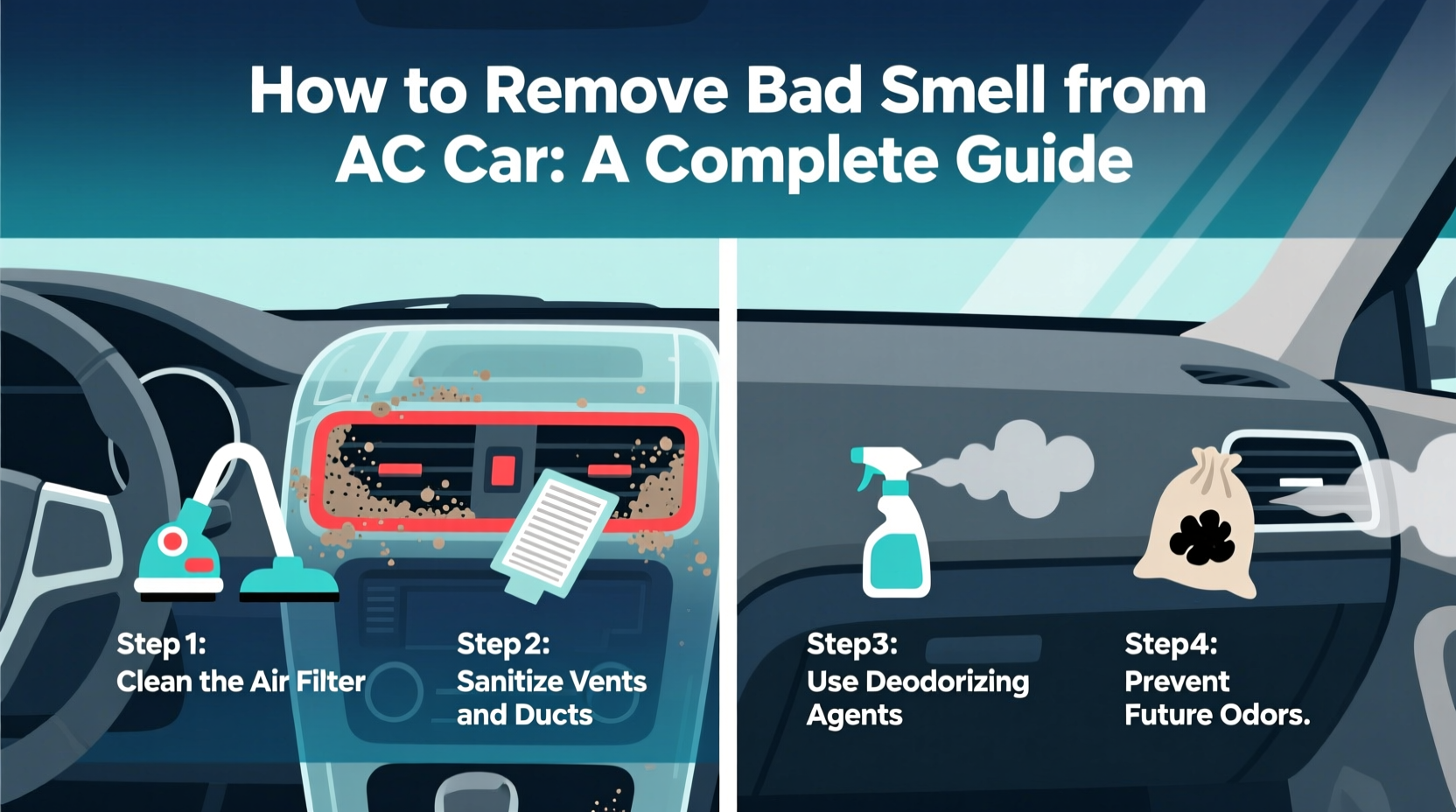
Why your car air vents smell and how to remove bad smell from car air vents
Most foul vent odors come from mold, mildew, trapped debris, or smelly moisture in the HVAC system. When warm, humid air meets the cold evaporator coil, it creates condensation that feeds bacteria and mold. That growth lives in the evaporator, ducts, and blower fan housing, and pushing air through these spots spreads the odor.
Understanding the root cause makes it easier to remove bad smell from car air vents. Fixing the smell means stopping moisture, cleaning or replacing the cabin filter, and killing microbial growth. Once you treat the source, simple vent cleaning and regular maintenance keep the scent away.

Tools and materials you’ll need to remove bad smell from car air vents
Prepare these items before you start. A small investment saves time and gives better results.
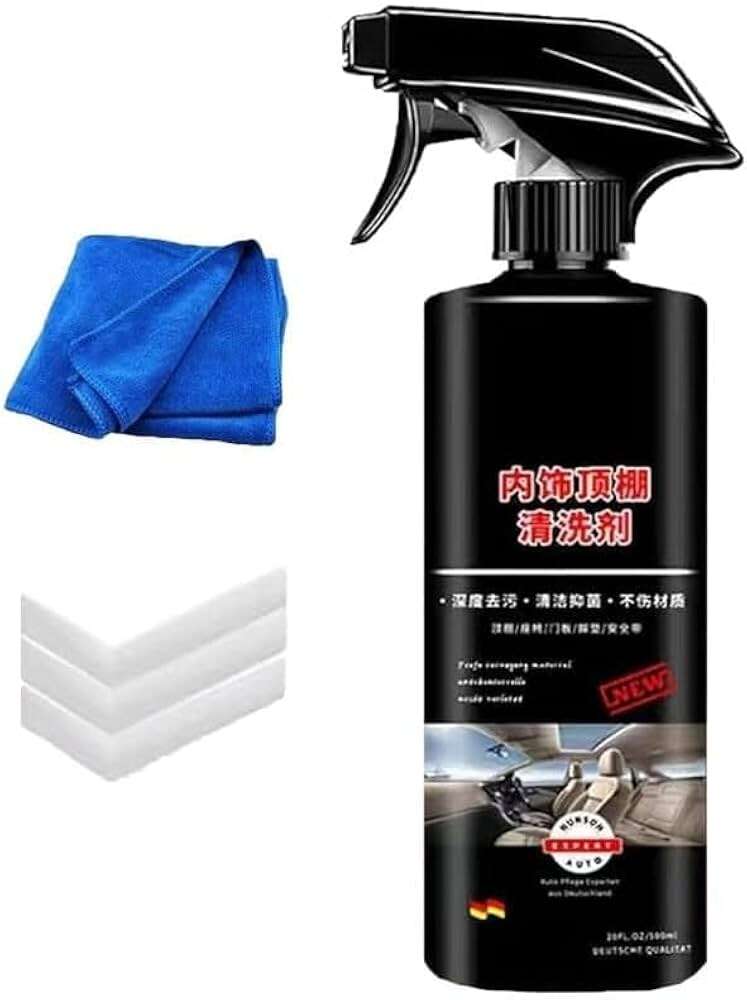
- Foam or aerosol HVAC disinfectant labeled safe for cars.
- Replacement cabin air filter that fits your car.
- Soft brush, microfiber cloths, and a flexible vent-cleaning brush.
- Spray bottle with a mild solution (water and a little white vinegar).
- Protective gloves and a mask if you’re sensitive to mold.
- Wet-dry vacuum or shop vac (optional for deeper debris removal).
Having these tools ready makes cleaning faster and helps you remove bad smell from car air vents properly.

Step-by-step: How to remove bad smell from car air vents (quick DIY)
These steps work for most cars. Follow them in order for best results.
- Ventilate the car and inspect the issue
- Open doors and windows and run the fan on high with A/C on for a few minutes. This moves out stagnant air and helps locate the worst smells.
- Replace the cabin air filter
- Find and remove the old filter. If it smells or is dirty, replace it. A clogged filter traps odor and spreads it through vents.
- Clean visible vents and ducts
- Use a soft brush and microfiber cloth to wipe vent slats. Use a vent brush to loosen dust inside the grille.
- Disinfect with an approved HVAC spray or foam
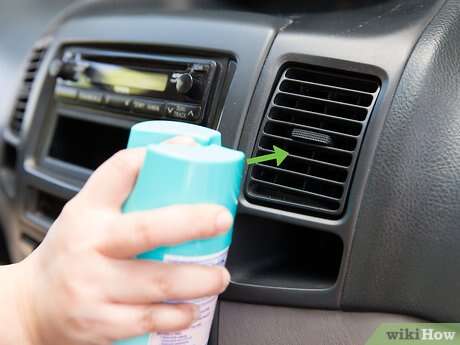
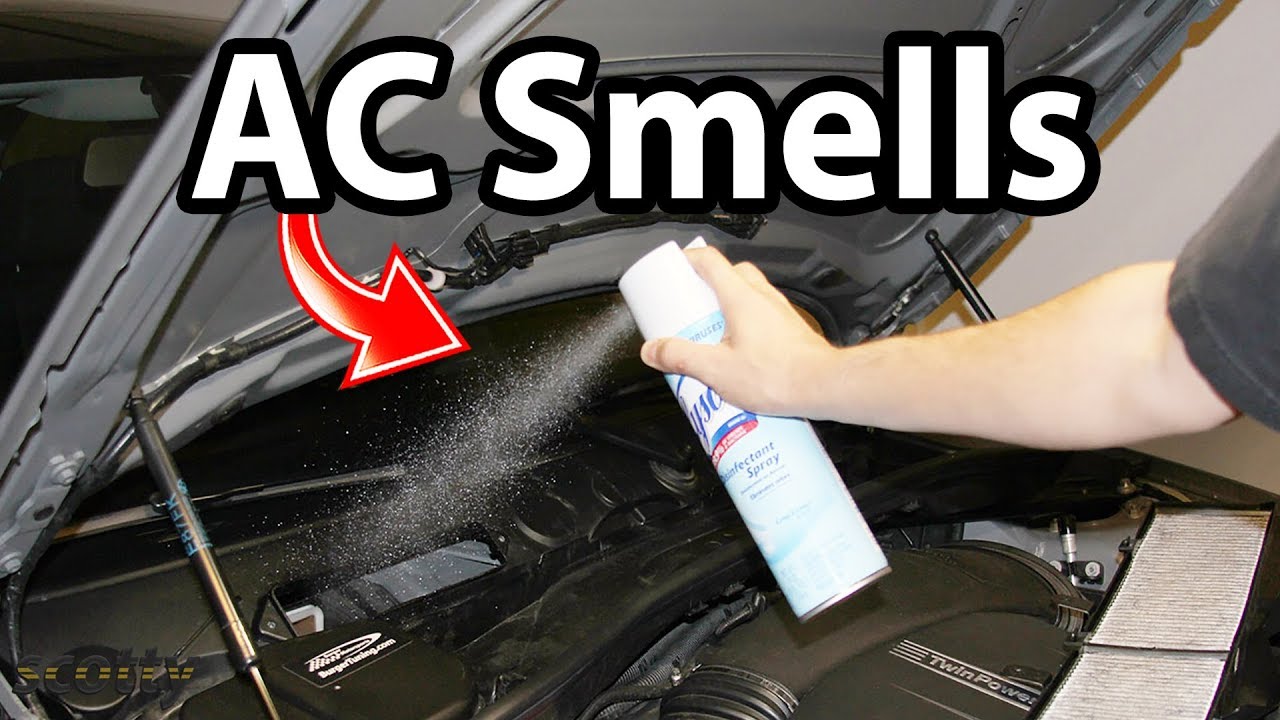
- Spray into the vents and blower intake (usually under the glove box). Follow product directions and let it dwell to kill microbes.
- Treat the evaporator (simple method)
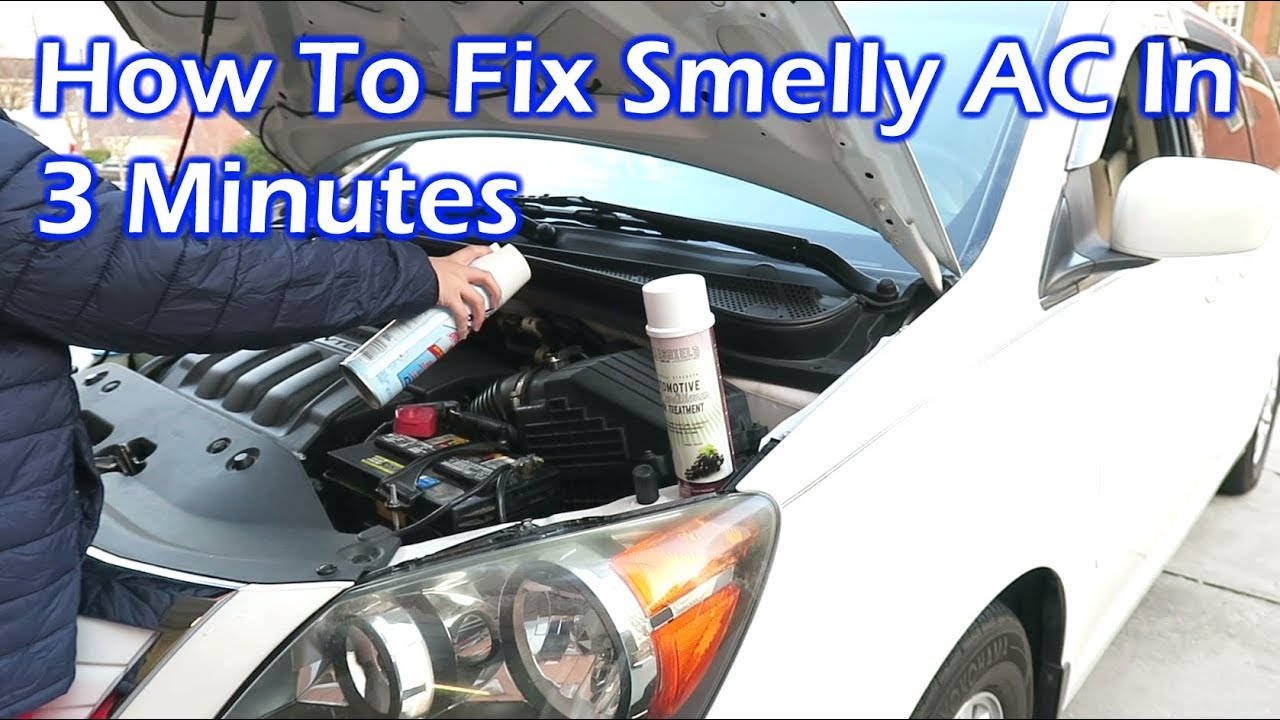
- With the fan running on high and A/C on, spray a no-rinse disinfectant into the intake. This sends the cleaner through the evaporator and ducts.
- Air the cabin and test
- Run the A/C and heater through modes to cycle the treated air. Leave windows open for a short drive to freshen the system.
These actions remove bad smell from car air vents in most cases. If odor persists, read the deep-cleaning section next.
Deep cleaning: evaporator, ducts, and stubborn odors
If basic cleaning fails, the problem often sits deep in the evaporator or ductwork. Deep cleaning can stop recurring smells.
- Access the evaporator core
- This usually requires removing dash panels or a service port. If you’re comfortable, follow a service manual. Otherwise, leave this to a shop.
- Use an evaporator cleaner or foam
- Inject the cleaner through the evaporator case or access port. Let it foam and break down biofilm, then drain the residue.
- Clean ducts and blower housing
- Remove the blower motor if possible. Vacuum debris, then wipe surfaces with disinfectant. Replace rubber seals if they trap moisture.
- Deodorize with an ozone or professional treatment
- Ozone machines or professional fogging can neutralize deep odors. Use only through trained services to avoid material damage.
Deep methods are effective when basic steps don’t remove bad smell from car air vents. These require care and sometimes a professional touch.

Prevention: keep smells away and maintain fresh vents
Stopping odors is easier than chasing them. Regular care prevents the need for deep cleaning.
- Replace the cabin air filter every 12,000 to 24,000 miles or per your owner’s manual.
- Run the fan for a few minutes with the A/C off after using A/C to dry the evaporator.
- Avoid letting wet items sit in the cabin. Moisture fuels mold growth.
- Use setting “recirculate” sparingly; fresh-air mode reduces trapped odors.
- Clean vents quickly if you spill food or liquids inside the car.
By following these habits you’ll reduce the chance you need to learn how to remove bad smell from car air vents again.

When to seek professional help to remove bad smell from car air vents
Professional service is wise if the smell persists or if you suspect mechanical issues.
- Persistent odor after DIY cleaning suggests deep mold or contamination.
- If you detect fuel, burning, or chemical smells, stop driving and get professional help immediately.
- Technicians can access the evaporator, replace seals, and perform ozone or steam treatments safely.
I recommend pro help if you’re not comfortable taking apart dash panels or if cleaning doesn’t work. A trained shop can diagnose and treat root causes faster.

People also ask (PAA)
Will spraying air freshener remove the smell from vents?
Air fresheners only mask odors. They don’t kill mold or clean the evaporator, so they’re a short-term fix rather than a solution.
Can I use vinegar to remove smell from vents?
Vinegar is a mild, safe disinfectant and can help odor control. Use diluted vinegar sparingly; it cleans light buildup but won’t reach deep evaporator mold.
How long does a vent disinfectant treatment last?
A typical disinfectant effect can last weeks to months, depending on humidity and cabin cleanliness. Regular maintenance extends the benefit.
Frequently Asked Questions of How to remove bad smell from car air vents
How often should I change the cabin air filter?
Change the cabin air filter every 12,000 to 24,000 miles or as your owner’s manual suggests. Replace sooner if you notice odor or heavy dust.
Is it safe to spray cleaners into air vents?
Yes, use cleaners labeled for automotive HVAC systems and follow directions. Avoid harsh solvents that can damage seals or electronic components.
Can mold in vents make me sick?
Mold can trigger allergies and respiratory irritation in sensitive people. If you have symptoms, treat vents promptly and consider professional cleaning.
Will an ozone treatment harm my car?
When done by professionals and following safety protocols, ozone treatments effectively remove odors. Incorrect use can damage rubber or plastics and should be avoided by DIYers.
Why does the odor return after cleaning?
Odor often returns when the evaporator or ducts still host microbial growth or when moisture persists. Deep cleaning or replacing contaminated parts usually fixes repeat smells.
Can I use household bleach to clean my vents?
Household bleach can corrode metal and damage interior surfaces; it’s not recommended for HVAC systems. Use automotive-safe disinfectants instead.
How long before I can use the car after treatment?
Most sprays and foams dry or dissipate in 15–30 minutes; follow product directions. For ozone or professional fogging, wait the recommended airing-out period.
Conclusion
You can stop and prevent vent odors by targeting the true sources: moisture, mold, and trapped debris. Replace the cabin filter, clean vents, treat the evaporator when needed, and adopt simple habits that keep the HVAC system dry and clean. Start with the basic steps today and move to deep cleaning or professional help only if odors persist. Try one method now, track results, and subscribe or comment below if you want troubleshooting help or product recommendations.