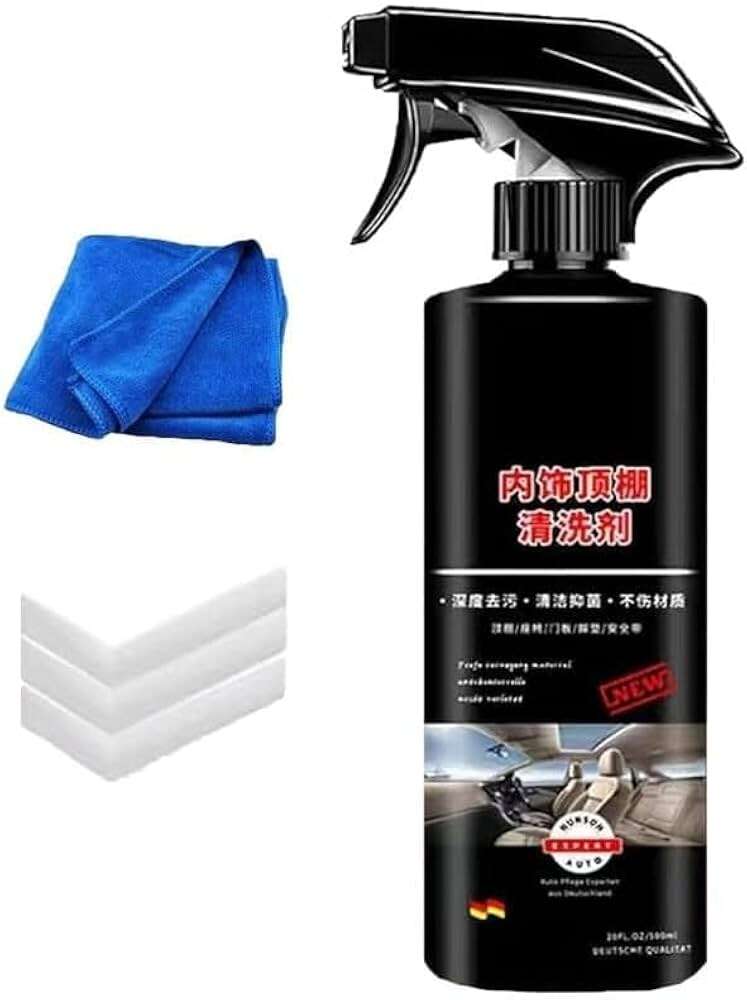
How To Clean Car Interior Stains From Fabric Seats: Guide
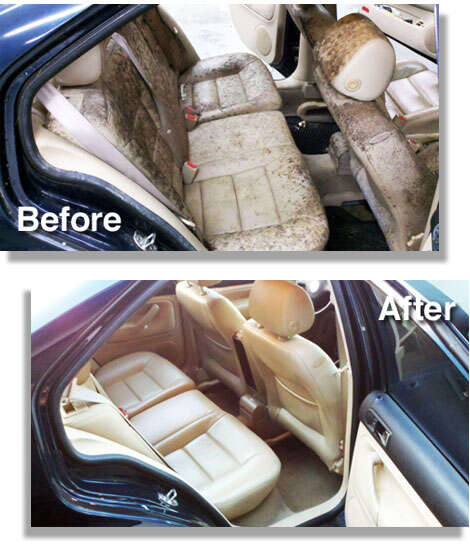
Use mild detergent, club soda, and targeted spot-cleaning to lift most fabric seat stains quickly.
I’ve cleaned hundreds of car seats over the last decade. I know which tricks work and which waste time. This guide on how to clean car interior stains from fabric seats shows step-by-step methods, stain-specific fixes, and prevention tips. Read on to learn easy, safe, and proven ways to restore fabric seats without damaging the upholstery.
Why fabric seats stain and what makes stains set
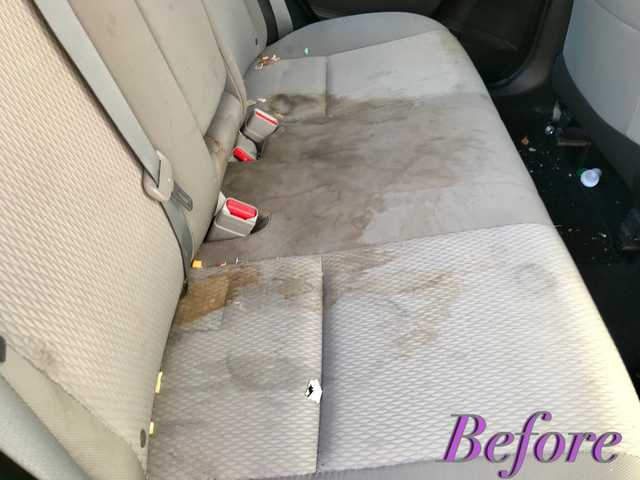
Fabric seats trap dirt and liquids. Tiny threads soak in spills. Heat and time make stains harder to remove. Oils, dyes, and proteins each behave differently on fabric. That is why knowing the stain type helps you remove it fast.
Common stain types:
- Oil and grease from food or hands.
- Organic stains like coffee, blood, vomit, or urine.
- Dye stains from wine, soda, or clothing.
- Ink and marker stains.
- Mold or mildew from damp seats.
I’ve seen coffee become permanent when left overnight. Acting fast often means the difference between full removal and a faint shadow that never leaves.
What you’ll need before you start
Gather supplies before you begin. Working fast reduces the chance of set-in stains.
Basic kit:
- Vacuum with upholstery nozzle.
- Clean microfiber towels or lint-free rags.
- Soft-bristle brush or upholstery brush.
- Spray bottle with water.
- Mild liquid dish soap or upholstery shampoo.
- White vinegar.
- Baking soda.
- Club soda for fresh spills.
- Isopropyl alcohol (70%) for ink.
- Enzyme cleaner for organic stains.
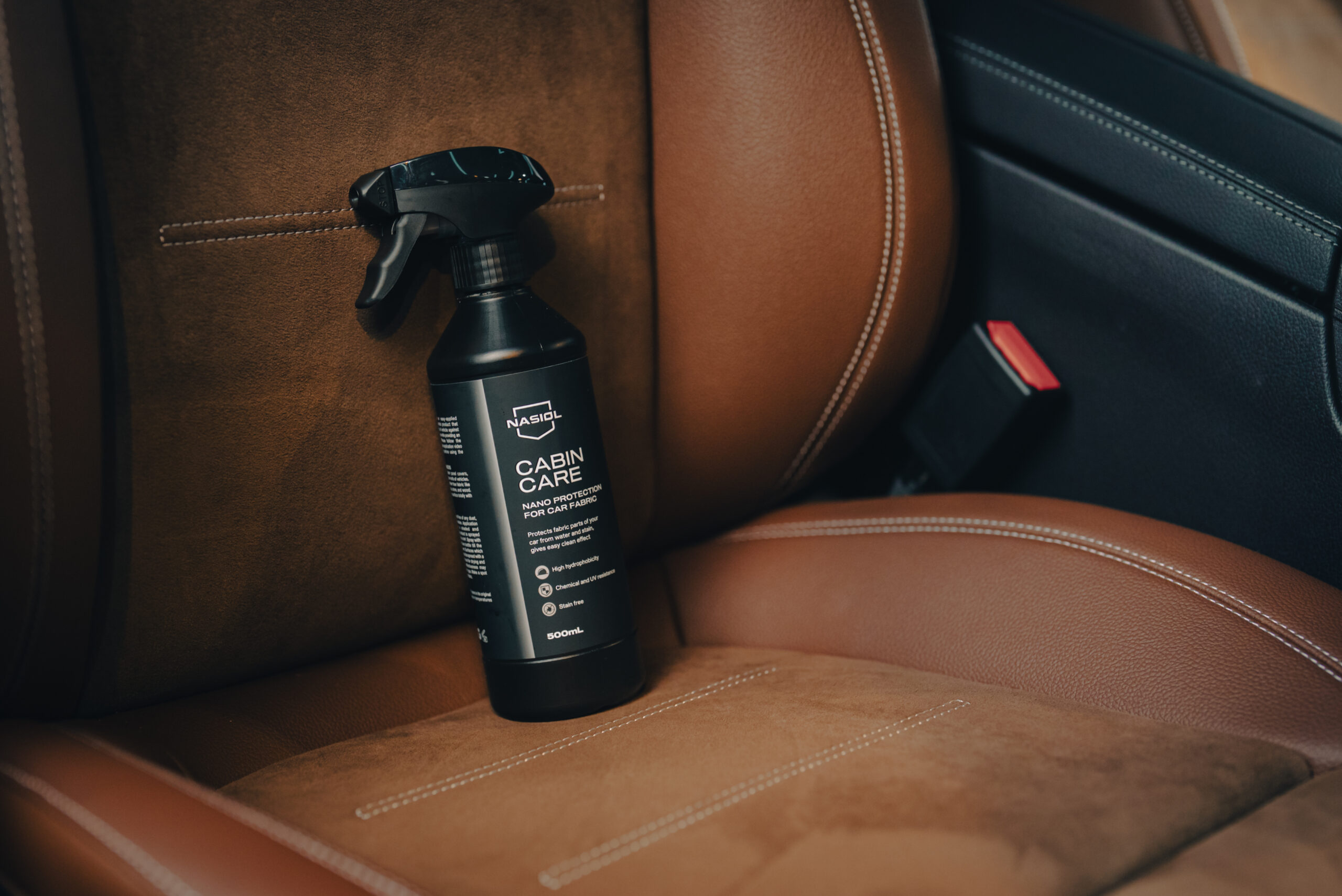
- Upholstery cleaner or foam cleaner for fabric seats.
Safety and prep tips:
- Test any cleaner on a hidden spot first.
- Work in a well-ventilated area.
- Avoid harsh bleach or strong solvents on colored fabric.
- Use gloves if you have sensitive skin.

Step-by-step guide: how to clean car interior stains from fabric seats
Follow this simple sequence for most stains. It keeps you from pushing the stain deeper.
- Vacuum the area
- Remove loose dirt first.
- Use small nozzle and crevice tool.
- Work the seams and under cushions.
- Blot, don’t rub
- Blot fresh spills with a microfiber towel.
- Rubbing spreads the stain and frays fibers.
- Pretest cleaner
- Apply cleaner to a hidden seam.
- Wait 5–10 minutes. Check for color change or fabric damage.
- Apply cleaner
- Mix 1 cup warm water with a few drops of dish soap. For organic stains, mix 1:1 water and white vinegar or use an enzyme cleaner.
- Lightly spray the stain. Don’t soak the foam beneath the fabric.
- Agitate gently
- Use a soft brush in small circular motions.
- Lift the stain with short, repeated motions.
- Rinse and remove soap
- Dampen a clean towel with plain water.
- Blot until no suds remain.
- Dry thoroughly
- Blot with dry towel.
- Use a fan or open windows.
- Avoid direct heat like a blow dryer on high, which can set some stains.
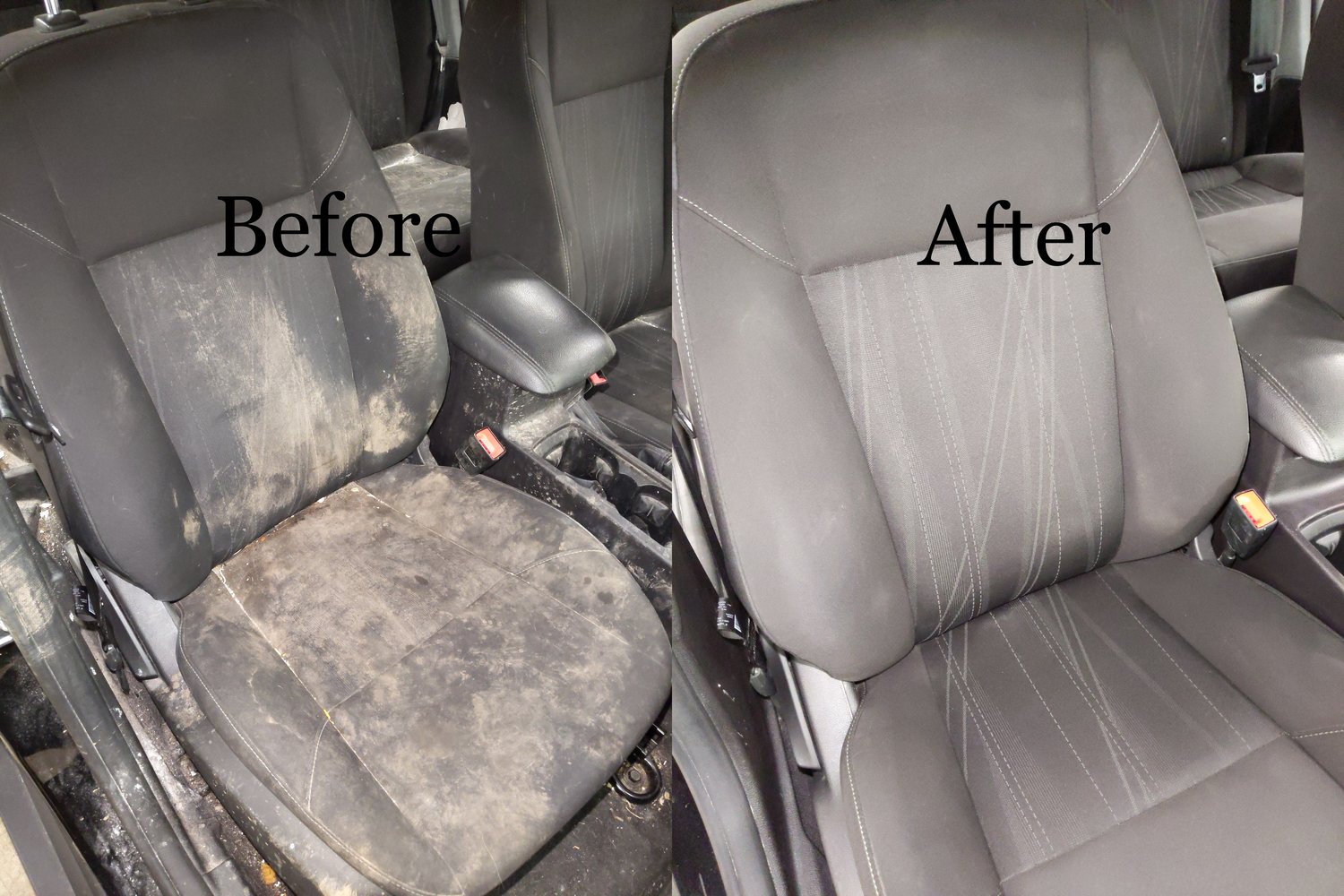
These steps are the backbone when learning how to clean car interior stains from fabric seats. Repeat the process if needed, but reduce soap concentration on repeat passes.

Common quick questions (PAA-style)
What do I do first when a spill happens?
- Blot the spill with a clean cloth and vacuum loose debris. Acting fast prevents setting.
Can I use household cleaners on car seats?
- Yes, mild dish soap and white vinegar work on many stains. Test first on an unseen spot.
How long to wait after cleaning before using the car?
- Let seats dry 2–6 hours. Use fans to speed drying and avoid using the car while damp.
Stain-specific methods
Different stains need different approaches. Below are practical fixes for common problems.
Coffee and soda
- Blot fresh spill immediately.
- Spray a mix of 1 cup warm water and 1 tsp dish soap.
- Agitate gently and blot with plain water. Repeat if needed.
Grease and oil
- Sprinkle baking soda or cornstarch to absorb oil. Wait 15 minutes.
- Vacuum, then apply a small amount of dish soap and water. Work gently.
- Rinse and dry.
Ink
- Dab isopropyl alcohol on a cotton swab. Test first.
- Blot from the outside toward the center until ink lifts.
- Rinse with water and blot dry.
Blood
- Use cold water, not warm. Warm water sets protein stains.
- Blot with cold water, then apply an enzymatic cleaner if needed.
- Rinse and air dry.
Wine and juice
- Blot immediately. Apply club soda to lift dyes.
- Use a 1:1 mix of white vinegar and water for stubborn dye stains.
- Rinse and dry.
Vomit or urine
- Remove solids carefully.
- Use enzyme cleaner to break down proteins and odors.
- Rinse lightly and dry thoroughly to prevent mold and smell.
These methods reflect practical experience. In my detailing work, enzyme cleaners rescued more than one upholstery job that soap alone couldn’t fix.
Homemade cleaners vs commercial products
Both choices work. Pick by stain type and your comfort level.
Homemade cleaner benefits:
- Cheap and easy.
- Good for fresh or mild stains.
- Typical mixes: dish soap + water, vinegar + water, baking soda paste.
Commercial cleaner benefits:
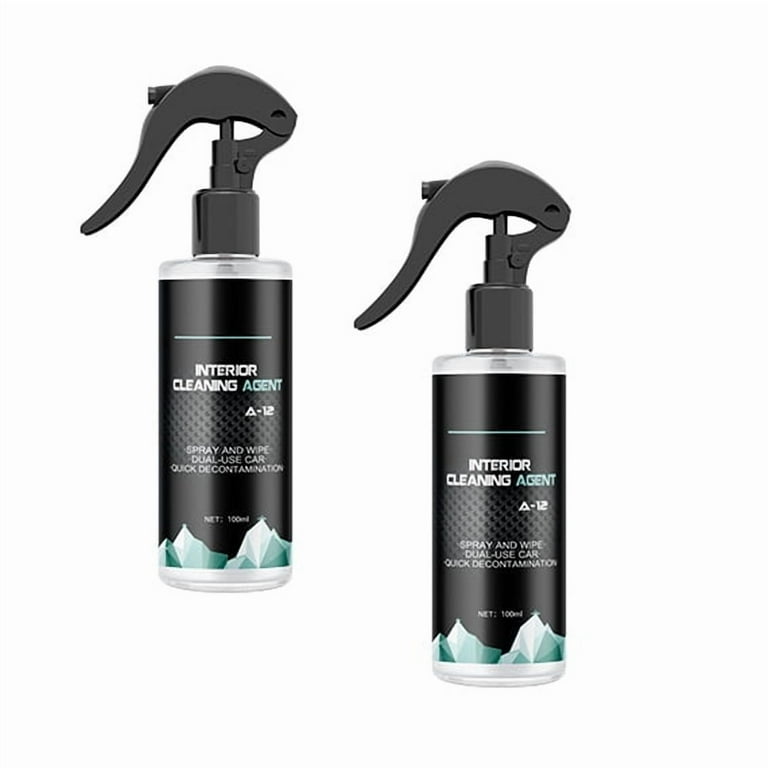
- Formulated for upholstery.
- Enzymatic formulas target organic stains and odors.
- Foam cleaners reduce soak-through risk.
When to choose commercial:
- Large, old, or set-in stains.
- Strong odors from biological sources.
- Manufacturer-recommended products for specialty fabrics.
Note: Always follow vehicle maker care guidelines for seat materials. Some fabrics have specific finishes that need gentle care.
Drying, odor removal, and deep cleaning
Drying and odor control matter as much as stain removal.
Drying tips:
- Blot excess moisture with towels.
- Use a fan or park in a shaded, breezy spot.
- Avoid high heat. It can shrink fabric or set stains.
Odor removal:
- Sprinkle baking soda on dry seats. Let sit overnight, then vacuum.
- Use enzyme sprays for organic smells.
- Commercial odor eliminators can neutralize, not just mask, odors.
Deep cleaning:
- Use a portable carpet cleaner or steam cleaner on heavy soils.
- Avoid saturating the seat foam.
- For molded fabric or layered upholstery, deep-clean equipment is best done by pros.
)
Preventing stains and maintaining fabric seats
Prevention saves time and money. A few small habits keep seats cleaner.
Easy prevention tips:
- Use seat covers for kids or pets.
- Clean spills immediately.
- Avoid eating in the car when possible.
- Apply a fabric protector designed for automotive upholstery.
- Vacuum seats weekly.
I learned to keep a small cleaning kit in the trunk. It made quick work of many stains before they set.
When to seek professional help
Call a pro if:
- The stain is large or has soaked through.
- The fabric shows discoloration after cleaning attempts.
- You detect mold or persistent odor after DIY work.
- The fabric is delicate or the vehicle is high-value.
Professionals use hot extraction machines and safe chemicals. They also assess if re-dyeing or fabric replacement is needed.
Frequently Asked Questions of How to clean car interior stains from fabric seats
How long should I blot a fresh spill?
Blot until the towel no longer picks up color or moisture. This usually takes a few minutes with repeated gentle presses.
Will vinegar damage my car seats?
When diluted, white vinegar is safe for many fabrics. Always test on a hidden spot first to check for color change.
Can I use a steam cleaner on fabric seats?
Yes, but avoid over-wetting. Use short passes and extract moisture promptly to protect foam and adhesives.
How do I remove set-in stains?
Set-in stains may need enzyme cleaners, repeated treatments, or professional hot extraction to lift them fully.
Is it okay to use bleach on car upholstery?
No. Bleach can strip color and weaken fibers. Use fabric-safe, non-bleach products instead.
Conclusion
Cleaning fabric seats is doable with the right steps and supplies. Act fast on spills, use gentle cleaners, and follow stain-specific methods. Protect seats to avoid repeat problems. Try these methods on one small area first, then tackle larger stains confidently.
Ready to restore your car’s interior? Try one cleaning tip today, and share your results or questions in the comments.