
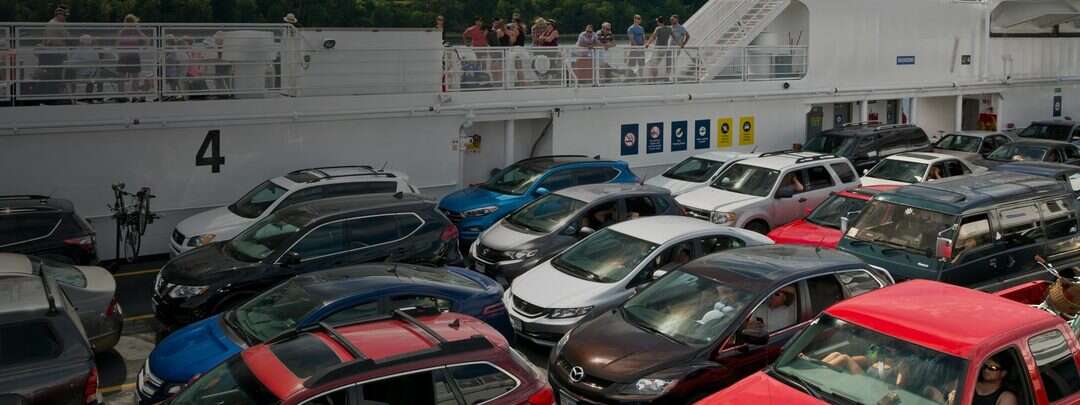
How Many Cars Fit On A Ferry: Real Capacity Guide
A typical ferry can carry anywhere from about 50 to over 2,000 cars depending on vessel size and layout.
I’ve spent years working around ferries and planning vehicle transfers, so I know the practical answers and the tricky details behind How Many Cars Fit on a Ferry. This guide digs into the factors that determine capacity, shows real-world examples, gives a clear step-by-step calculation you can use, and shares hands-on tips so you can plan a trip or evaluate a ferry operator with confidence. Read on to get precise, usable insight into How Many Cars Fit on a Ferry.
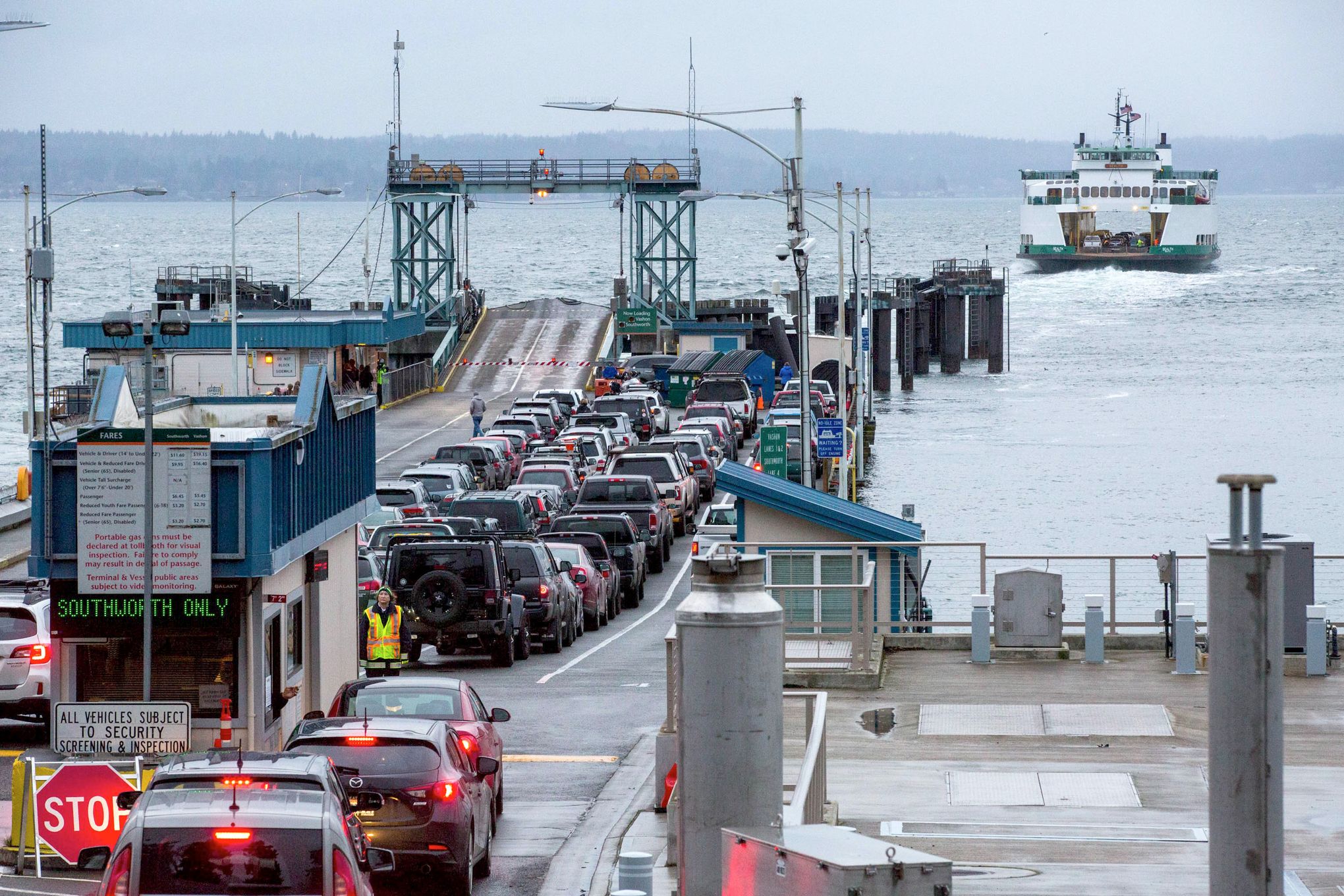
How Many Cars Fit on a Ferry: Key Factors
How Many Cars Fit on a Ferry depends on several clear factors. The main items are vessel type, deck area, lane layout, and vehicle sizes. Regulations, weight limits, and safety margins also cut the theoretical number down. These factors explain why two ferries of the same length can have very different car counts.
PAA-style questions
How does ferry type affect car count?
Ferry type changes deck layout and usable vehicle area. Ro-Ro ferries maximize car lanes, while passenger ferries often sacrifice vehicle space.
Do SUVs and trucks reduce capacity?
Yes. Larger vehicles take more lane length and width and often lower total vehicle counts. Operators usually plan for a mixed vehicle profile.
Are capacities fixed or flexible?
Capacities are nominal and flexible. Operators adjust counts for cargo, bikes, and safety needs.

Common Ferry Types and Typical Car Capacities
How Many Cars Fit on a Ferry varies by vessel class. Small commuter ferries often fit 50 to 150 cars. Medium-sized Ro-Ro or overnight ferries typically carry 200 to 700 cars. Large ocean Ro-Ro ferries and vehicle-passenger ships can load 1,000 to 2,500 cars or more. Each class prioritizes different trade-offs between vehicle capacity and passenger amenities.
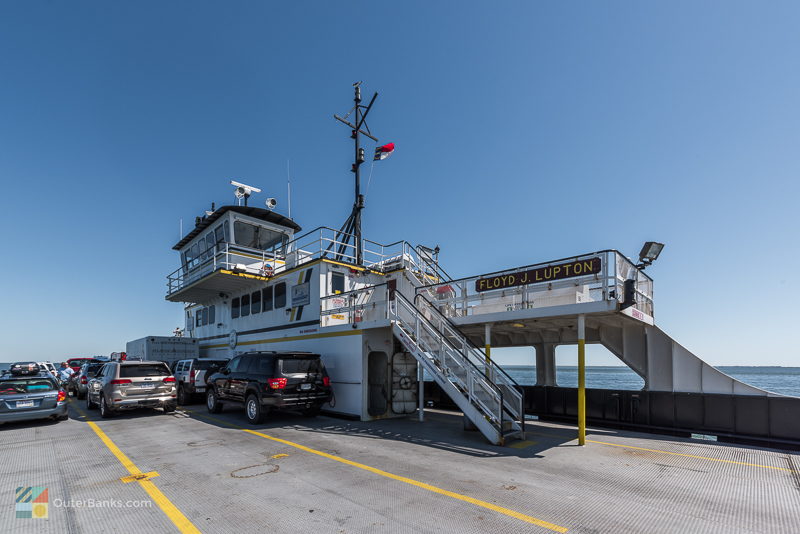
How Vehicle Decks Are Packed: Layout and Measurement
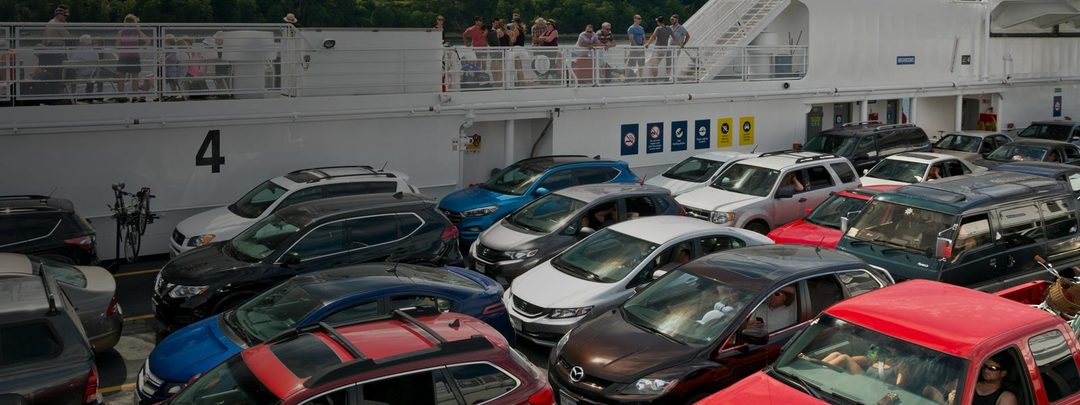
How Many Cars Fit on a Ferry comes down to usable deck area and lane configuration. Deck planners measure clear deck length and width, then divide by lane width and car length. Typical lane width is 2.4 to 3.0 meters and average car length is 4.5 to 5 meters. Tight packing uses angled parking, multiple decks, and mezzanines to boost counts.
- Lane width and spacing determine how many lanes fit across the deck. Wider lanes reduce car count.
- Car length and buffer spacing determine how many cars fit per lane. Longer cars reduce per-lane numbers.
- Ramps, stairwells, and safety zones reduce usable area and lower capacity.
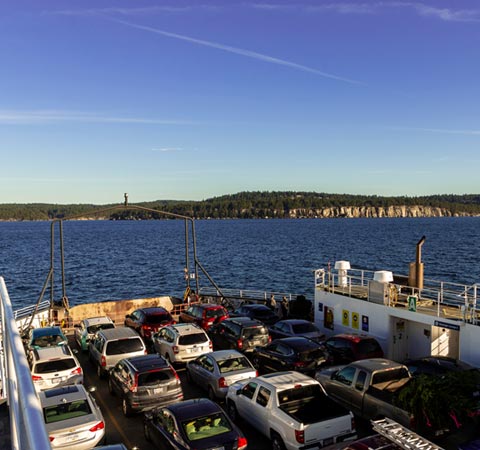
Real-World Examples: Ferry Capacities by Class
How Many Cars Fit on a Ferry is easier to see with examples. A local commuter ferry might advertise 80 cars and heavy passenger flow. A regional Ro-Ro could list 300–500 cars plus trucks. A large international Ro-Ro/passenger ship might show 1,200 cars and significant truck lanes. Ferry operators publish nominal capacities, but they assume a typical vehicle mix and operational margins.

Calculating How Many Cars Fit on a Ferry: Step-by-Step
You can estimate How Many Cars Fit on a Ferry with a simple method. Measure or get the deck dimensions in meters. Use an average car footprint of 2.0 m width by 4.5 m length and allow lane spacing and buffers.
Step-by-step example:
- Calculate usable deck area. Example: 120 m length × 20 m width = 2,400 m².
- Estimate per-car area including lanes and buffers. Example: 2.5 m × 5.0 m = 12.5 m² per car.
- Divide area by per-car area. Example: 2,400 ÷ 12.5 = 192 cars.
This gives a realistic estimate. Real operations adjust for ramps, turning space, and mixed vehicle types.
Operational Limits: Weight, Balance, and Safety Rules
How Many Cars Fit on a Ferry is constrained by weight and trim limits as much as by area. Each ferry has a maximum deadweight and axle load rules. Staff must distribute cars to maintain stability and prevent excessive trim. Safety rules also require clear access lanes and fire separation, which reduces theoretical capacity.

Tips for Drivers Booking Ferry Space
If you wonder How Many Cars Fit on a Ferry and want to ride with a vehicle, use these tips. Reserve early on busy routes and state your vehicle size when booking. Arrive early for loading order and follow crew instructions to help crews pack efficiently. If you drive an oversized vehicle, call ahead to confirm space and fees.
Personal Experience and Lessons Learned
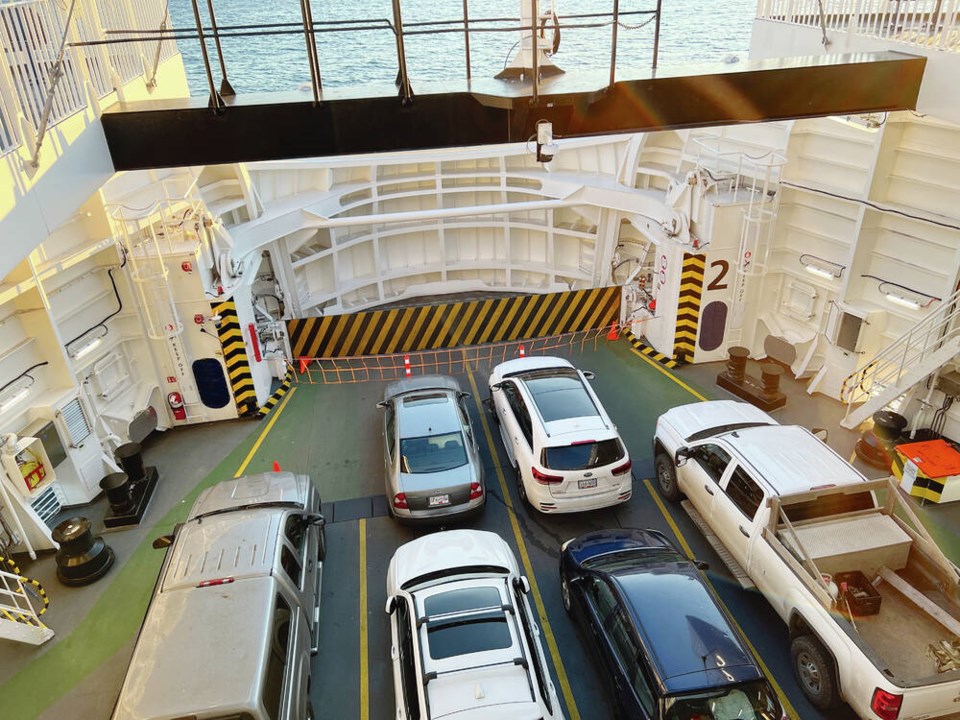
I’ve loaded cars on ferries in three countries and helped plan vehicle loading for events. My lessons are simple and practical. Always be honest about vehicle size when booking. Expect tight turns and short gaps on deck. When crews ask you to move forward or back to balance the load, do it; it makes operations faster and safer.
Cost and Pricing Factors Linked to Car Capacity
How Many Cars Fit on a Ferry affects pricing and revenue. Operators price by vehicle type, length, and passenger count. High car capacity routes can lower per-vehicle fares. Conversely, limited vehicle spots on popular routes often mean higher prices and faster sell-outs.
Environmental and Economic Impacts of Ferry Car Capacity
How Many Cars Fit on a Ferry matters for emissions and efficiency. Higher vehicle capacity per sailing can lower emissions per car if the vessel runs full. However, encouraging vehicle use by increasing capacity can raise overall emissions unless offset by cleaner ship technology. Economically, vehicle capacity supports local commerce by enabling vehicle transfer between markets.
Frequently Asked Questions of How Many Cars Fit on a Ferry
How many cars does a typical ferry carry?
A typical short-route ferry carries 50 to 300 cars depending on design. Long-distance Ro-Ro ships often carry 500 to 2,000 cars.
Do trucks reduce the number of cars a ferry can hold?
Yes. Trucks take more deck area and weight capacity, lowering the number of cars that fit. Operators allocate separate truck lanes or decks when possible.
Can I guarantee a spot for my car on a ferry?
You can usually guarantee a spot by booking in advance and specifying vehicle size. On some short routes, walk-on vehicle space is first-come, first-served.
How is vehicle capacity measured by ferry operators?
Operators measure capacity by lanes and decks and publish nominal vehicle counts. These numbers assume a typical mix of cars and a safety margin.
Are capacity numbers fixed or can they change per sailing?
Capacity can change per sailing due to cargo, bikes, passenger loads, or safety needs. Weather and crew decisions may also reduce usable space.
Conclusion
Understanding How Many Cars Fit on a Ferry helps you plan smarter trips and set realistic expectations. Ferry capacity depends on deck area, vehicle mix, safety rules, and operator choices. Use the simple calculation steps here, book early, and communicate vehicle size to avoid surprises. If you found this helpful, try the method with your local ferry’s specs, subscribe for more tips, or leave a comment about your ferry experience.