How To Remove Water Spots From Car Windows Permanently: Fix
Remove mineral deposits by polishing the glass and sealing with a ceramic or glass coating.
I have spent years detailing and restoring cars, and I know exactly how to remove water spots from car windows permanently. This guide walks you through why spots form, how to tell if they are etches or just deposits, step-by-step permanent removal methods, and long-term protection so spots do not come back. Read on for clear, tested steps and real-world tips that work.

Understand water spots: what they are and why they stick
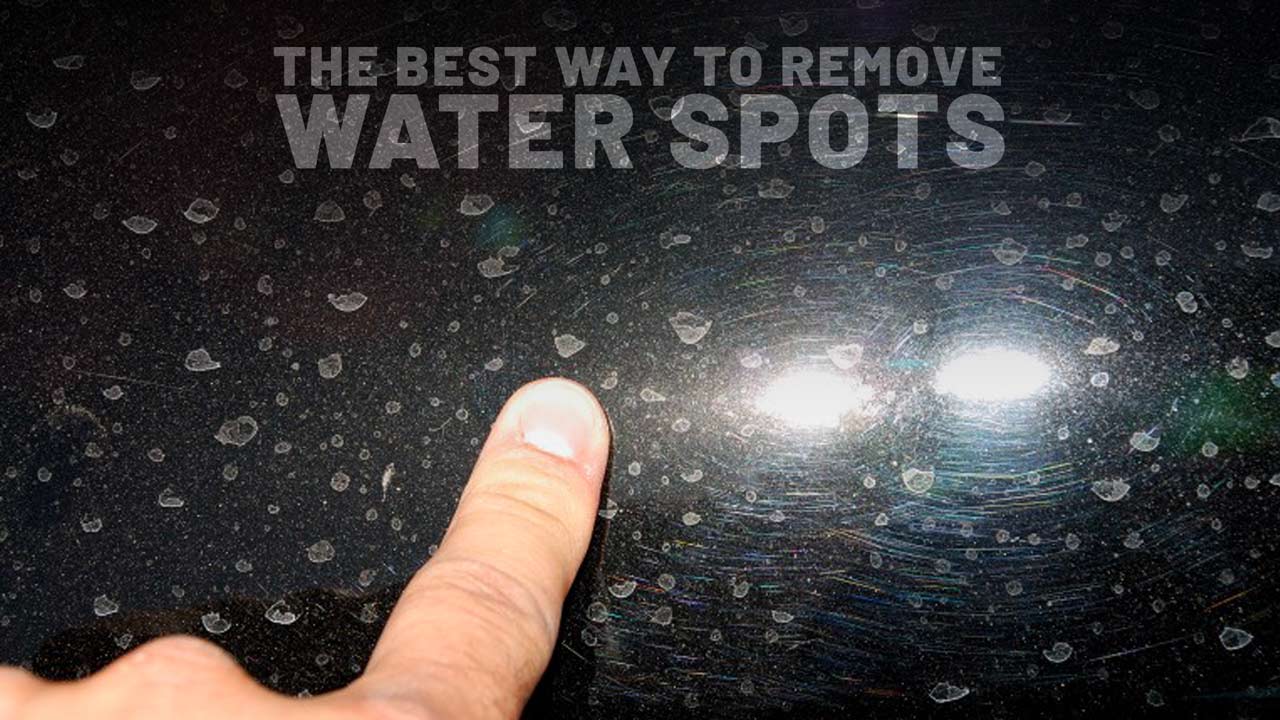
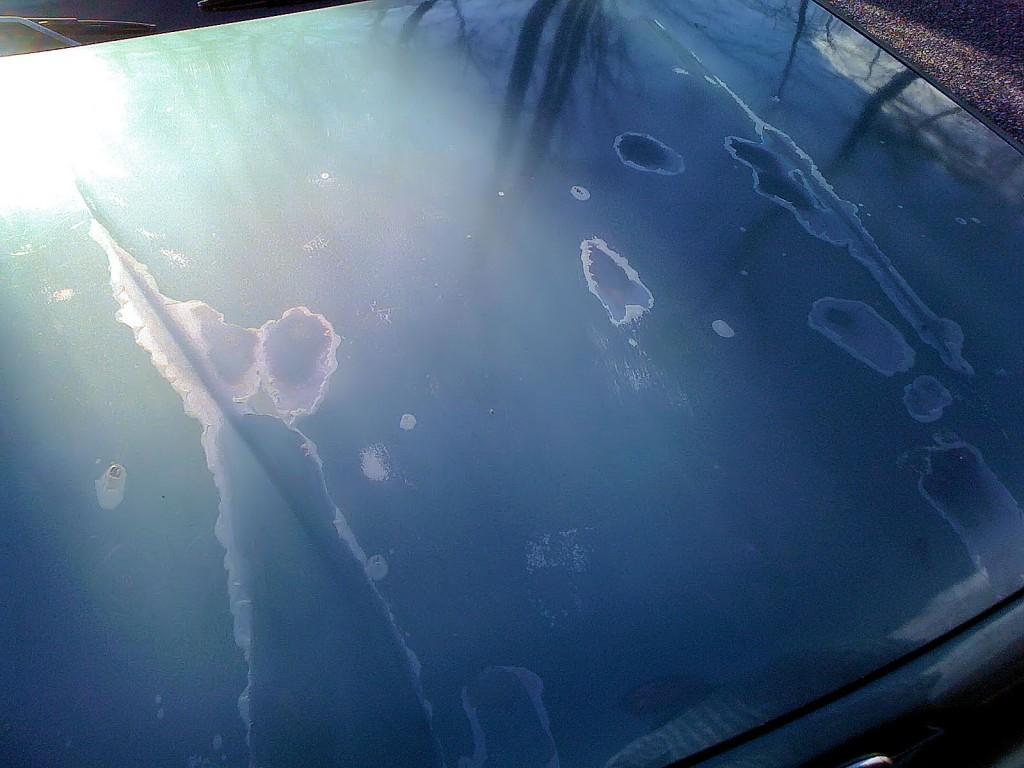
Water spots form when hard water or acidic rain dries on glass and leaves minerals or etching. Some spots are surface deposits. Others are etched into the glass by minerals or acids. Surface deposits can be removed. Etches need polishing or glass replacement.
Causes you will see often:
- Hard water from sprinklers or tap water that dries on windows.
- Acid rain or bird droppings that chemically etch the glass.
- Mineral buildup from washing with untreated water.
- Road salt and brake dust mixing with water and leaving deposits.
Knowing the cause helps decide the fix. If a cloth wipes them away, they are deposits. If they feel rough or look rainbow-like under light, they may be etched. I learned this the hard way after trying cheap cleaners on etched spots. It cost me a windshield polish session. Use the right approach based on the type.
Assess severity: when permanent removal is possible
Not all water spots are the same. Quick checks:
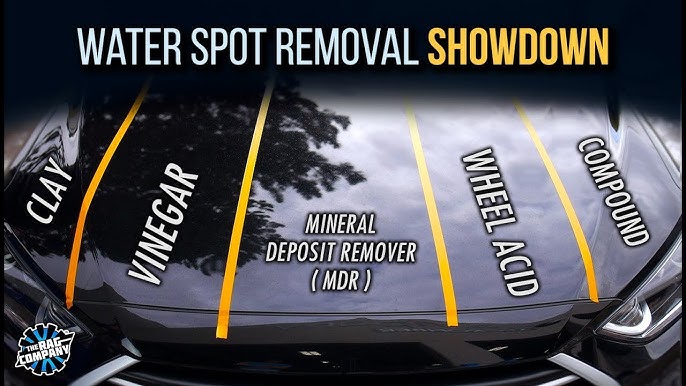
- Wipe the glass with vinegar or a glass cleaner. If they fade, they are deposits.
- Run your fingernail over the spot. If you feel a pit, it may be etched.
- Inspect at an angle under sunlight to spot halos or rainbow patterns.
If they are shallow mineral deposits, you can remove them permanently with polish and sealant. If they are deep etches, professional glass polishing or replacement might be necessary. I once thought a windshield was ruined, but a polish and ceramic glass coat restored clarity. That saved me hundreds.

Step-by-step: DIY permanent removal methods
These methods remove deposits and protect the glass long-term. Always work in shade and wear gloves and eye protection.
- Test and clean
- Rinse the glass with distilled water.
- Clean with a mild detergent to remove dirt.
- Try a 50/50 distilled white vinegar and water mix on a small patch. If spots reduce, proceed with deposit removal.
- Remove mineral deposits
- Vinegar method: Soak a towel in 50/50 vinegar and distilled water. Lay it on the spot for 10–15 minutes. Rub gently with a microfiber towel.
- Baking soda paste: Mix baking soda with water to a paste. Apply and rub gently in circular motions. Rinse with distilled water.
- Commercial glass cleaners for mineral deposits: Use a product labeled for hard-water or mineral stains. Follow instructions closely.
- Polish stubborn spots
- Use a dedicated glass polish or cerium oxide powder mixed to a paste. Apply with a soft foam pad or by hand.
- For large areas, use a low-speed polisher with a clean foam pad. Keep movements slow and even.
- Work in small sections and wipe residue with a clean microfiber.
- Seal and protect
- Apply a glass sealant, water repellent, or ceramic glass coating. These products bond to the glass and prevent minerals from sticking.
- Follow manufacturer cure times. Many ceramic glass coatings need 12–24 hours to bond.
- Final rinse and check
- Rinse with distilled water and dry with a clean microfiber towel.
- Inspect under various angles of light to confirm the spots are gone.
How to remove water spots from car windows permanently is a two-step idea: remove deposits or polish etches, then seal the glass. I use this routine regularly on my personal cars. It keeps windows crystal clear for months.

Professional and advanced solutions
When DIY can’t fix etches or when you want longer life, consider professionals.
- Professional glass polishing: They use cerium oxide and rotary tools to remove etches safely. This is ideal for moderate to deep etches.
- Windshield replacement: For severe pitting or structural damage, replacement is the right choice.
- Professional ceramic glass coatings: Shops apply high-grade coatings that last longer than DIY kits.
Costs vary. Polishing is cheaper than replacing glass. I once had a shop remove deep etches from a side window. The cost was less than a replacement and the result lasted over a year with good care.
Preventive steps to stop spots from returning
Prevention is simpler than repair. Do these regularly:
- Use distilled water or filtered water for rinsing glass.
- Avoid letting sprinklers run on parked cars.
- Apply a durable glass sealant or ceramic coating every 6–12 months.
- Wash and dry the car frequently to prevent mineral buildup.
- Park in shade or a garage when possible.
A simple habit: dry windows after washing with a clean microfiber. This cuts down new spots massively. Over time, prevention reduces the need to learn how to remove water spots from car windows permanently.

Tools and products I recommend
Good tools matter. My trusted list:
- Microfiber towels, lint-free and soft.
- Distilled water for rinsing and mixing solutions.
- Foam polishing pads and a low-speed polisher for larger jobs.
- Cerium oxide glass polish or a reputable glass polish.
- Quality glass sealant, ceramic glass coat, or Rain-X style durable repellent.
- pH-neutral car wash soap.
Avoid harsh acids or abrasive powders that are not designed for auto glass. They can damage coatings and make etching worse. I learned this after trying a household cleaner that stripped a factory coating. It’s better to use auto-grade products.
PAA-style quick questions
What causes permanent etching on car glass?
- Acidic contaminants and hard water can chemically eat into glass over time. Once the surface is etched, it needs polishing or replacement.
Can I restore etched windows at home?
- Small, shallow etches can be improved with cerium oxide and a careful polish. Deep etches often need a professional touch.
Will a glass sealant stop spots forever?
- Sealants and ceramic coatings greatly reduce reoccurrence but are not magic. They protect for months to years depending on product and care.
Frequently Asked Questions of How to remove water spots from car windows permanently
How do I know if my water spots are etched or just deposits?
Try a vinegar soak and rub with a microfiber. If spots lift, they are deposits. If they feel rough or remain after cleaning, they may be etched.
Is vinegar safe to remove water spots from car windows permanently?
Vinegar removes many mineral deposits safely when diluted and used on small areas. For etched or stubborn spots, professional polish is safer and more effective.
Can I use household glass cleaner for permanent removal?
Household glass cleaners can help with fresh deposits but usually will not remove mineral etching. Use specialized glass polish or a professional service for permanent results.
How long does a ceramic glass coating last on windows?
Ceramic coatings can last from 6 months to several years based on product quality and maintenance. Proper application and curing are key to longevity.
Will polishing make my windows weaker or cloudy?
Proper glass polishing restores clarity without weakening the glass. Overzealous or improper polishing can cause haze. Use the right pads and speeds, or consult a pro.
Conclusion
Removing water spots permanently means two things: remove the deposits or polish out etches, and then protect the glass with a proper sealant or ceramic coat. Start with simple tests and cleaning. Move to polishing for stubborn spots, and call a professional for deep etches or safety concerns. Make prevention a habit—dry windows, use distilled rinse water, and apply a durable glass sealant regularly. Try one method on a small area first, and share your results or questions below to keep learning.