How To Restore Faded Car Paint: DIY Guide
You can restore faded car paint at home using cleaning, compounding, polishing, and sealing.
I’ve spent years restoring cars in my garage and writing about paint care. How to restore faded car paint without professional help is doable with the right steps, low-cost tools, and patience. This guide gives clear, safe, and tested steps so you can bring back the shine and protect the paint. Read on and I’ll walk you through the whole process, from diagnosis to long-term care.
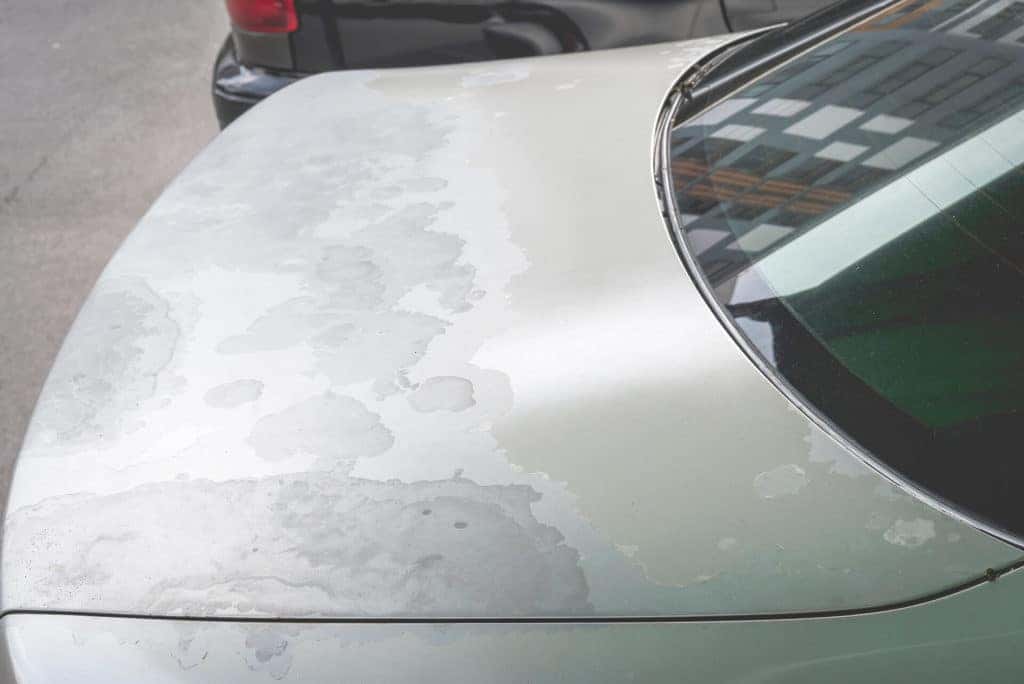
Why paint fades and how to restore faded car paint without professional help starts with diagnosis
Paint fades for a few simple reasons. UV rays break down clear coat and color. Dirt, pollution, and bird droppings also erode finish over time. Poor washing habits and harsh chemicals add tiny scratches and speed fading.
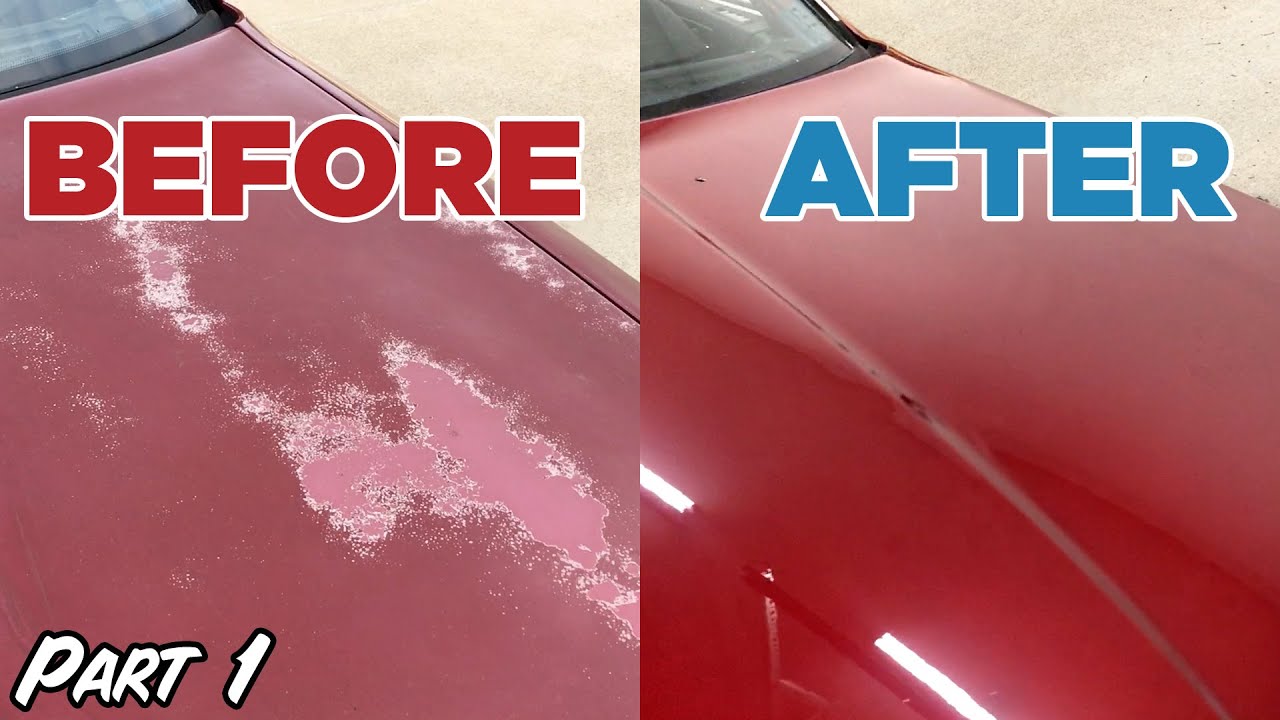
Knowing the cause helps choose the right fix. Light oxidation needs polishing. Deep clear coat damage may need sanding or a professional. When you learn how to restore faded car paint without professional help, you can pick the right method and avoid extra work.
Materials and tools you’ll need to learn how to restore faded car paint without professional help
Gather these before you start. Working with the right tools saves time and yields better results.
- Microfiber towels. Use soft, clean towels for drying and buffing.
- pH-balanced car shampoo. Gentle on paint and wax.
- Clay bar kit. Removes bonded contamination for a smooth surface.
- Rubbing compound and polish. Compound removes oxidation; polish refines shine.
- Dual-action polisher (optional). Makes polishing easier and safer.
- Masking tape and touch-up paint. For chips and small scratches.
- Paint sealant or carnauba wax. Protects results from UV.
- Safety gear. Gloves and safety glasses protect you from dust and chemicals.
Having these items lets you tackle how to restore faded car paint without professional help with confidence.

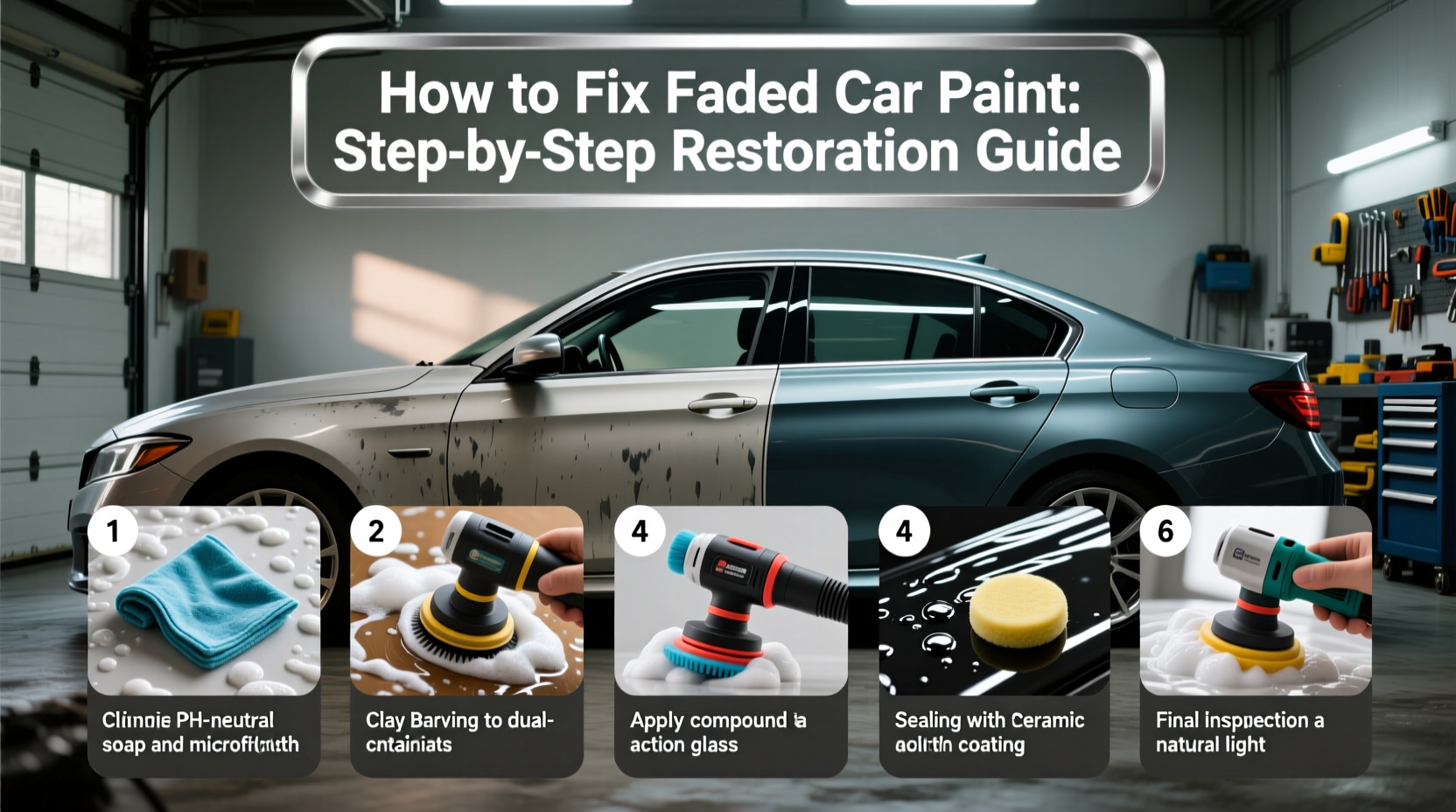
How to restore faded car paint without professional help: Step-by-step
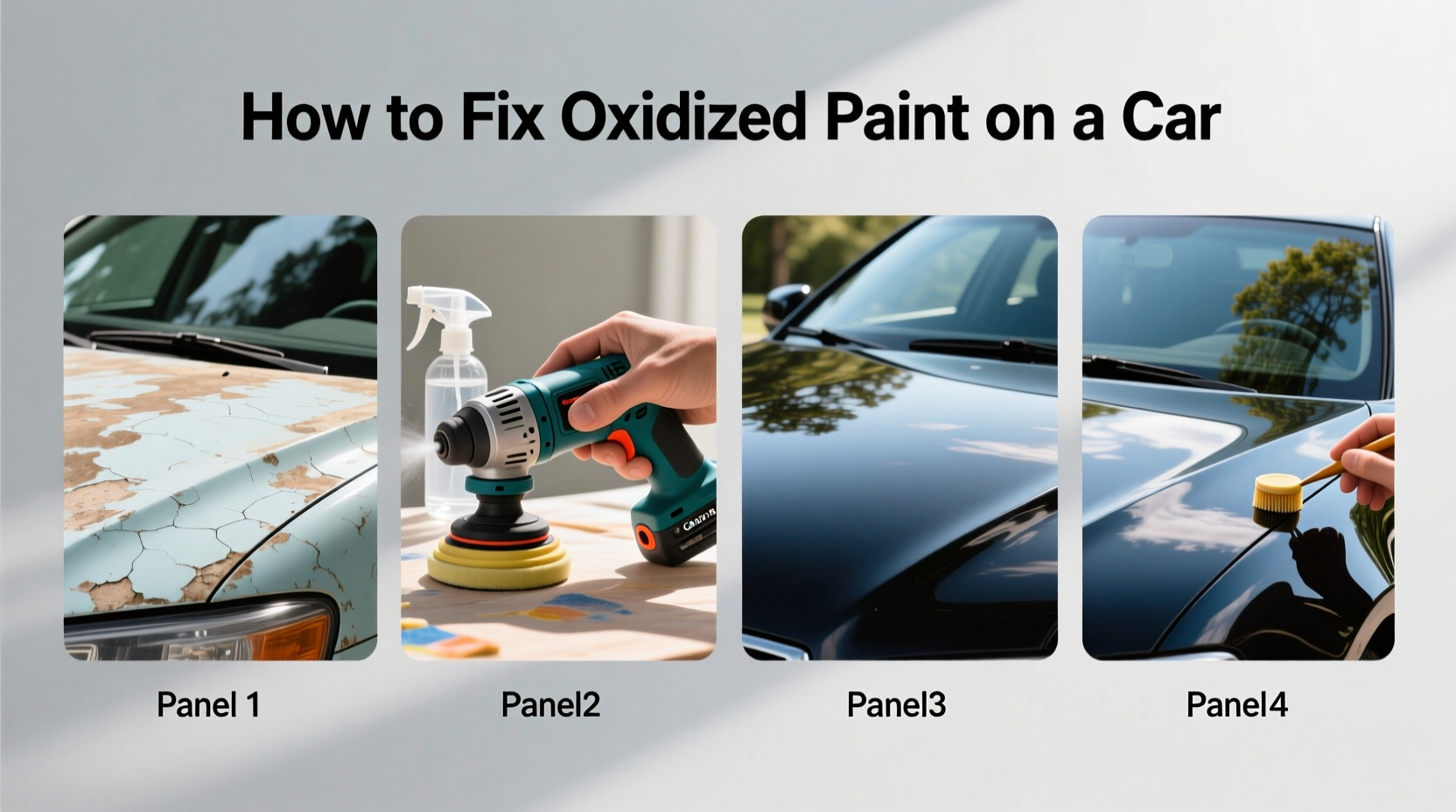
Follow these steps in order. Take your time and work on one panel at a time.
-
Wash and dry the car
- Use a two-bucket method: one bucket with soap, one with rinse water.
- Rinse, wash, and dry with microfiber towels.
-
Inspect the finish
- Look for chalky oxidation, swirl marks, clear-coat peeling, and bare spots.
- Light chalking can be fixed at home. Peeling clear coat may need pro help.
-
Clay-bar treatment
- Use a clay bar with lubricant. Glide it over small sections.
- This removes bonded grime and helps polish work better.
-
Compounding for oxidation
- Apply a rubbing compound to remove chalky haze.
- Work small areas. Use a dual-action polisher for even results.
- Wipe residue with microfiber towels.
-
Polishing for gloss
- Follow compounding with a fine polish.
- Polish brings back clarity and reduces swirl marks.
- Inspect in daylight as you go.
-
Touch-up and spot repair
- Clean chips, apply touch-up paint in thin layers, and allow to cure.
- Wet-sand lightly only if you have experience. Err on the side of caution.
-
Seal and protect
- Apply a paint sealant or wax. Sealant lasts longer and gives strong protection.
- Reapply every 3–6 months based on product instructions.
I learned the value of clay and polish the hard way. Early on I skipped clay bar and polishing looked uneven. Do the prep right and results improve fast. This step plan shows how to restore faded car paint without professional help without cutting corners.

Tips, safety, and common mistakes when learning how to restore faded car paint without professional help
These tips save time and protect your paint.
- Test on a small hidden area first. This prevents surprises.
- Avoid abrasive pads if clear coat is thin. You can sand through paint.
- Keep work out of direct sun. Heat dries products too fast and causes streaks.
- Use short, overlapping passes with a polisher. Too much heat hurts paint.
- Clean pads often. Dirty pads cause swirls and poor results.
Common mistakes I see: skipping clay, using household polishers, and rushing drying. Follow safe steps and you will see steady improvement. These points help you avoid the pitfalls while you learn how to restore faded car paint without professional help.
Maintenance to keep paint vibrant after you restore faded car paint without professional help
Maintenance keeps your work lasting longer. Simple habits protect the finish.
- Wash regularly with a gentle shampoo every two weeks.
- Apply a liquid sealant every 3–6 months.
- Park in shade when possible to cut UV damage.
- Use a quick detailer between washes to remove light dust and bird droppings.
- Avoid automatic brushes; they cause swirl marks and speed fade.
Good care means you won’t repeat heavy restoration often. Mastering how to restore faded car paint without professional help includes a maintenance plan you can follow easily.
When to call a pro instead of trying how to restore faded car paint without professional help
Some jobs need professional tools and training. Call a pro if you see these signs:
- Clear coat is peeling or flaking across large areas.
- Paint has deep scratches through color to metal.
- You need color match for large panels or full respray.
- Previous DIY attempts made the finish worse.
A pro can perform wet sanding, repainting, and color matching. Use DIY first for light to moderate fading. Get help for structural damage or widespread clear coat failure.
Frequently Asked Questions of How to restore faded car paint without professional help
What causes paint to fade the most?
UV rays are the biggest cause, breaking down the clear coat. Environmental pollutants and poor care speed the process.
Can I restore severely faded paint at home?
You can improve many faded finishes at home, but severe clear coat loss may need a professional respray. DIY works best for oxidation and light fading.
How long does DIY restoration last?
With proper sealing and care, results can last months to a year. Reapply a sealant every 3–6 months for the best protection.
Is a machine polisher necessary?
A dual-action polisher makes the job easier and safer but you can polish by hand. Hand polishing takes more time and effort.
Will polishing remove scratches?
Polishing reduces small swirl marks and fine scratches. Deep scratches that reach the base coat need touch-up or repainting.
Conclusion
You can make faded paint look much better on your own. Learn why paint fades, use the right tools, and follow the step-by-step process shown here. Start with washing, clay, compound, polish, and finish with a sealant to protect your work. If damage is deep, bring in a pro.
Take action this weekend: pick one panel, follow the steps, and watch the shine return. Share your results or ask questions below to keep learning and improving.