How To Fix Peeling Clear Coat Without Repainting: Quick Fix
Use careful removal, feather sanding, and targeted re-clear with pens or spray to blend and seal.
I have repaired dozens of peeling clear coats without repainting. This guide explains how to fix peeling clear coat without repainting using practical steps, safe materials, and real-world tips. You will learn how to judge repairability, choose the right tools, and perform repairs that last. Read on to save time and avoid an unnecessary full respray.

What causes clear coat to peel?
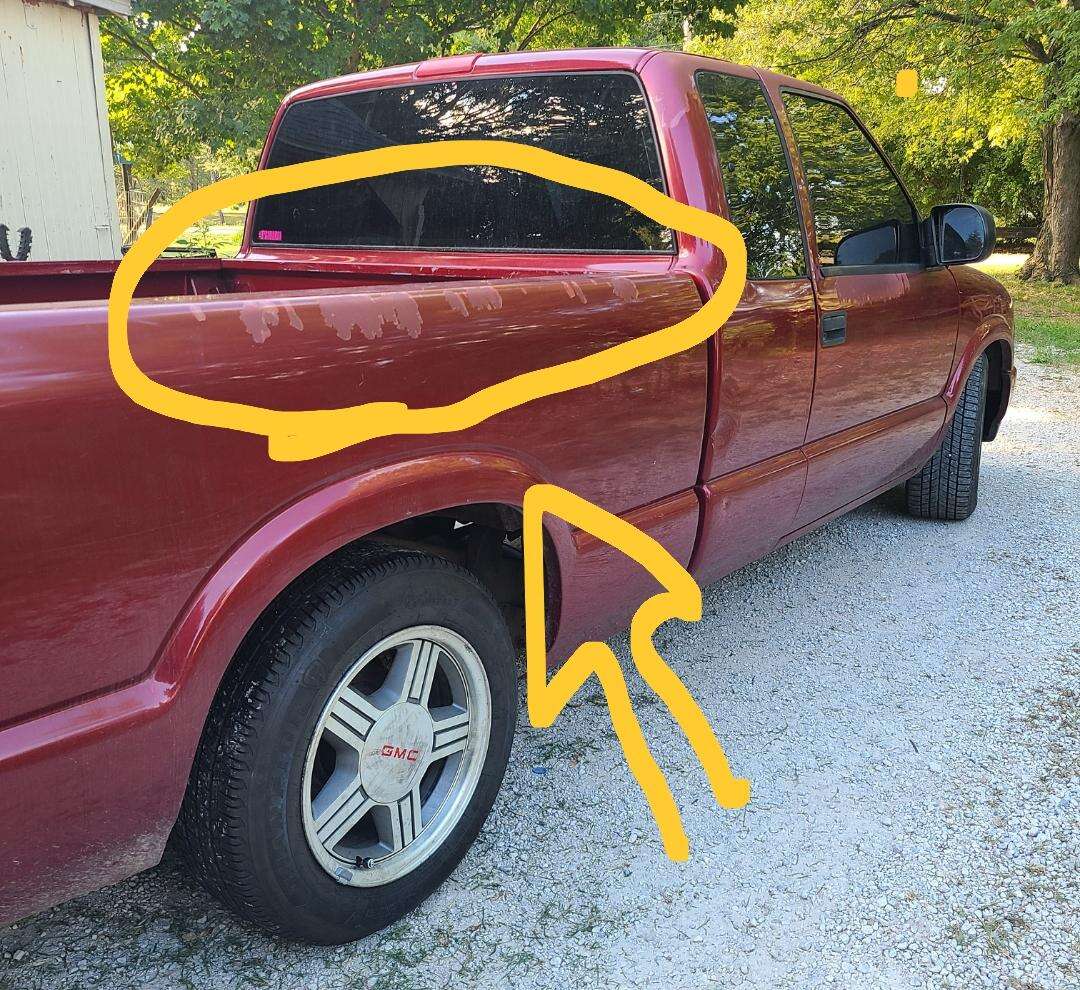
Clear coat peels when adhesion fails between layers or when the coating is damaged. Common causes are sun and UV exposure, poor original prep, age, and chemical attack from harsh cleaners. Physical damage like bird droppings, tree sap, and chips also start local lift and spread over time.
Peeling often starts at an edge or scratch and spreads. The base paint usually stays intact while the clear layer flakes. Understanding the cause helps decide whether you can fix peeling clear coat without repainting.

How to assess the damage and decide if repair is possible
Look at the size, depth, and location of peeling. Small, localized peeling under a few square inches is often repairable without repainting. Large areas with exposed base coat or metal usually need a full respray.
Check these quick points
- Is the paint underneath intact and glossy?
- Does the clear coat lift when you press or peel lightly?
- Are there many adjacent chips or rust spots?
If the clear coat is lifting but the base paint is sound, you can fix peeling clear coat without repainting. If the base coat is damaged or you see rust, plan for bodywork and repainting.
Materials and tools you’ll need
Gather simple, affordable supplies before starting. Proper tools make the repair neat and long-lasting.
Essential items
- Nitrile gloves and eye protection
- Isopropyl alcohol or surface cleaner
- Masking tape and plastic sheeting
- Sandpaper: 400, 800, 1500, 2000 grit (wet/dry)
- Foam sanding block
- Clear coat spray can or clear coat touch-up pens
- Polishing compound and a microfiber pad
- Dual-action polisher or hand polishing pads
- Tack cloths and lint-free rags
Optional but helpful
- Primer for bare metal spots
- Small brush or blender solvent for edges
Having the right materials helps you fix peeling clear coat without repainting while keeping results smooth and durable.

Step-by-step: How to fix peeling clear coat without repainting
Below is a practical, step-by-step method I use for small to medium peeling areas. Work in a well-ventilated, dust-free space and take your time.
- Prepare the area
- Clean the surface with soap and water, then use isopropyl alcohol to remove wax and oils.
- Mask around the repair zone to protect adjacent panels.
- Remove loose clear
- Carefully lift and trim flaking clear with a single-edge razor or plastic scraper.
- Avoid digging into the base coat. The goal is a smooth edge where clear meets intact clear.
- Feather the peeling edge
- Start with 400 grit to knock down the high edges, then use 800 grit to blend. Sand lightly and evenly.
- Wet-sand to avoid heat and clogging. Keep the surface flat and feathered so new clear can blend.
- Clean and degrease
- Remove sanding residue with a tack cloth and isopropyl alcohol. Let fully dry.
- Apply localized clear
- For very small spots, use a clear coat pen to fill and build the area in thin layers.
- For larger spots, use a light mist of clear coat spray. Apply multiple thin coats rather than one heavy coat. Allow recommended flash times between coats.
- Cure and wet-sand
- Let the clear cure per product instructions, often several hours to overnight.
- Wet-sand with 1500 then 2000 grit to remove orange peel and level the surface.
- Polish to blend
- Use a fine rubbing compound and a microfiber pad or polisher to restore gloss.
- Finish with a fine polish and wax for protection.
This method helps you fix peeling clear coat without repainting while achieving a blended look.
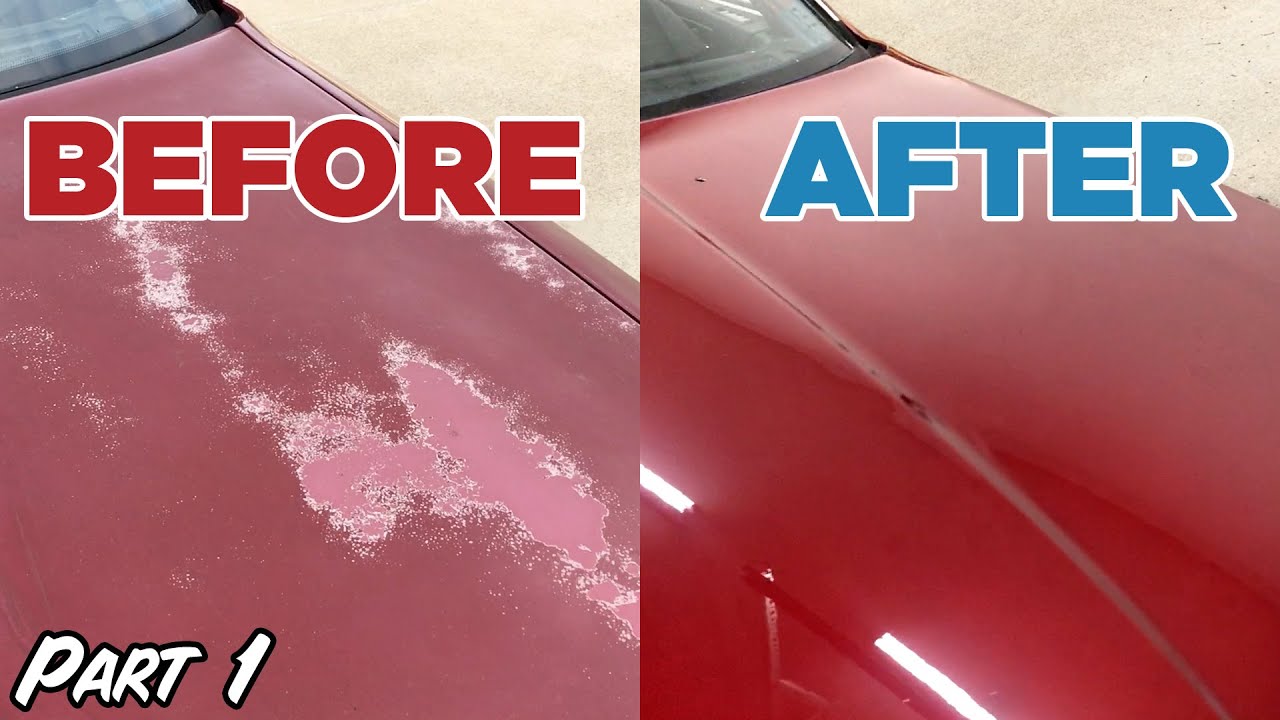
Methods and product choices: pens, aerosols, and professional blends
Choose the right repair type for the damage size.
Clear coat pen
- Best for very small chips and hairline flaking.
- Easy to control but limited in build and durability.
Aerosol clear coat
- Good for areas up to a few square feet when applied in thin, controlled coats.
- Use high-quality automotive clear; not all hardware-store clears bond well.
Blend-and-spray with HVLP
- For larger blended areas, a small HVLP gun with mixing system gives the best finish.
- This requires more skill but produces professional results without a full repaint.
I often use pens for quick touch-ups and aerosols for panel-sized fixes. The right product lets you fix peeling clear coat without repainting and still look good.
Limitations: when you can’t avoid repainting
You might not be able to fix peeling clear coat without repainting when:
- The base coat is damaged, flaking, or faded unevenly.
- Rust or corrosion is present under the clear.
- Peeling covers most of a panel, making color match and blending impossible.
If the area is large or the base needs repair, a full respray will be a longer-lasting solution. Be honest with the assessment; a poorly blended patch can look worse than a controlled respray.

Costs, time, and what to expect
Small DIY fixes can cost $20–$100 and take a few hours to a day including cure time. Using professional spray tools or a body shop for blending will cost more but yields better results.
Timeline example
- Prep and sanding: 30–90 minutes
- Clear application: 20–40 minutes across coats
- Cure time: 4–24 hours depending on product
- Sand and polish: 1–2 hours
Realistic expectation: a properly done repair will be less perfect than a full respray but durable and visually acceptable for most owners. This is how to fix peeling clear coat without repainting while managing cost and time.

Personal experience, tips, and mistakes to avoid
In my work restoring older cars, I learned small repairs go far if you prep well. One job had a 6-inch clear peel on a sedan door. I trimmed the flake, feathered carefully, and sprayed three thin clear coats. After wet-sanding and polishing, the repair was nearly invisible from a few feet.
Tips from practice
- Don’t rush sanding; even feathering makes or breaks blending.
- Use thin clear layers. Heavy coats sag and create more work.
- Test products on scrap metal or an inconspicuous area.
Common mistakes
- Skipping cleaning steps that lead to poor adhesion.
- Using coarse sandpaper late in the process and causing visible scratches.
- Applying too much clear too quickly.
These lessons show practical ways to fix peeling clear coat without repainting and avoid redo work.

Quick questions (PAA-style)
Can I fix peeling clear coat on plastic trim?
You can fix minor peeling on painted plastic with the same steps but use plastic-compatible clear and be gentle with sanding; primer may be needed for adhesion.
Will a clear coat pen match my car?
Clear coat pens don’t change color; they only add a clear layer. They blend with existing clear but won’t correct faded or mismatched base paint.
How long will a DIY clear repair last?
A good DIY repair can last years if properly prepped and polished, but extreme sunlight and chemicals shorten its life. Proper maintenance extends longevity.
Frequently Asked Questions of How to fix peeling clear coat without repainting
What is the fastest way to stop clear coat peeling from spreading?
Trim loose edges and seal the area with a clear coat pen or spray to prevent moisture and further lift. Clean and sand the area first for best adhesion.
Can I use automotive polish alone to hide peeling clear coat?
Polish can reduce the visibility of small flakes but won’t fix lifting clear. You must remove loose material and reapply clear for a lasting repair.
Is sanding down to bare metal ever required?
Only if rust or deep damage exists. For normal peeling with intact base paint, feathering the clear edge and reapplying clear is sufficient.
Will waxing after repair affect adhesion?
Wait until the clear fully cures before waxing. Waxing too soon can interfere with cure; follow product cure times.
Can I fix peeling clear coat on a horizontal surface like a hood?
Yes. Horizontal surfaces need careful patience; you may need more thin coats and extra cure time to avoid runs and to blend properly.
Conclusion
Fixing peeling clear coat without repainting is often practical and cost-effective when the base paint is intact. With careful prep, feather sanding, thin re-clear layers, and proper polishing you can repair and protect affected areas. Try a small test patch, follow the steps, and build skill with each repair. Share your results, subscribe for more tips, or leave a question below so I can help you troubleshoot the specifics of your repair.