How To Remove Deep Scratches From Car Paint At Home: DIYFix
You can repair deep car paint scratches at home with steady work, the right tools, and patience.
I have restored many cars and taught DIY repairs for years. In this guide I explain step by step how to remove deep scratches from car paint at home. You will learn how to judge a scratch, pick the right method, and finish the job so the repair lasts. I mix clear how-to steps, real tips from my work, and what to avoid so you get a pro-looking result without overpaying.

Understanding deep scratches and what they mean
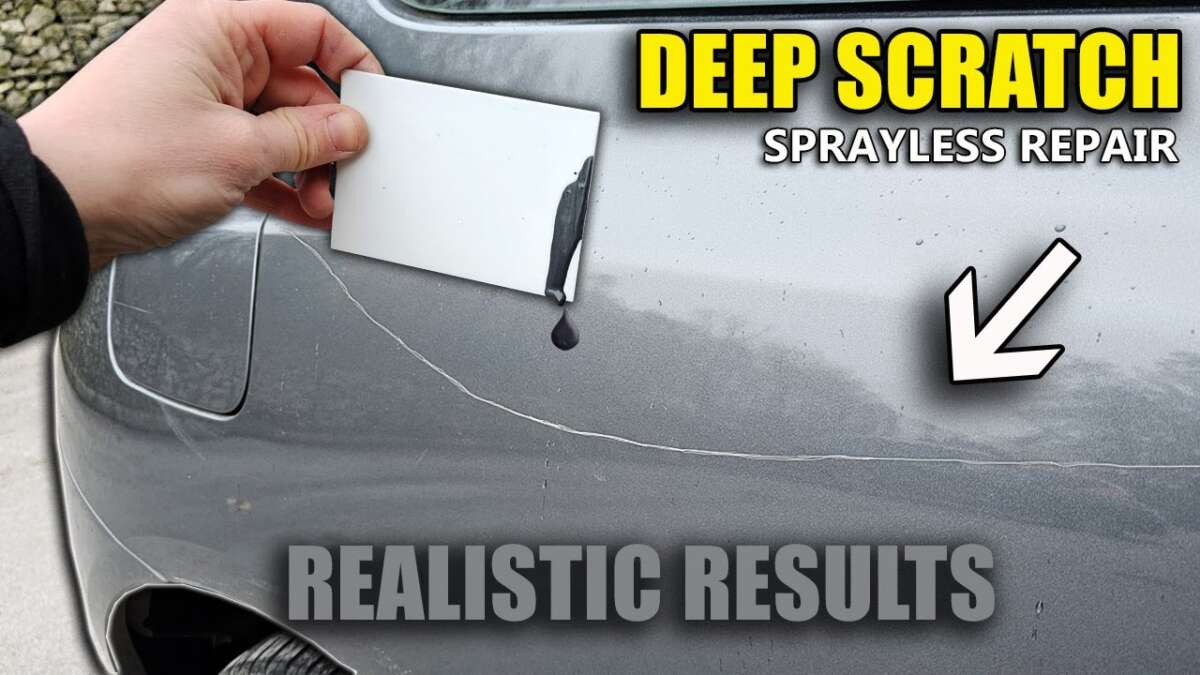
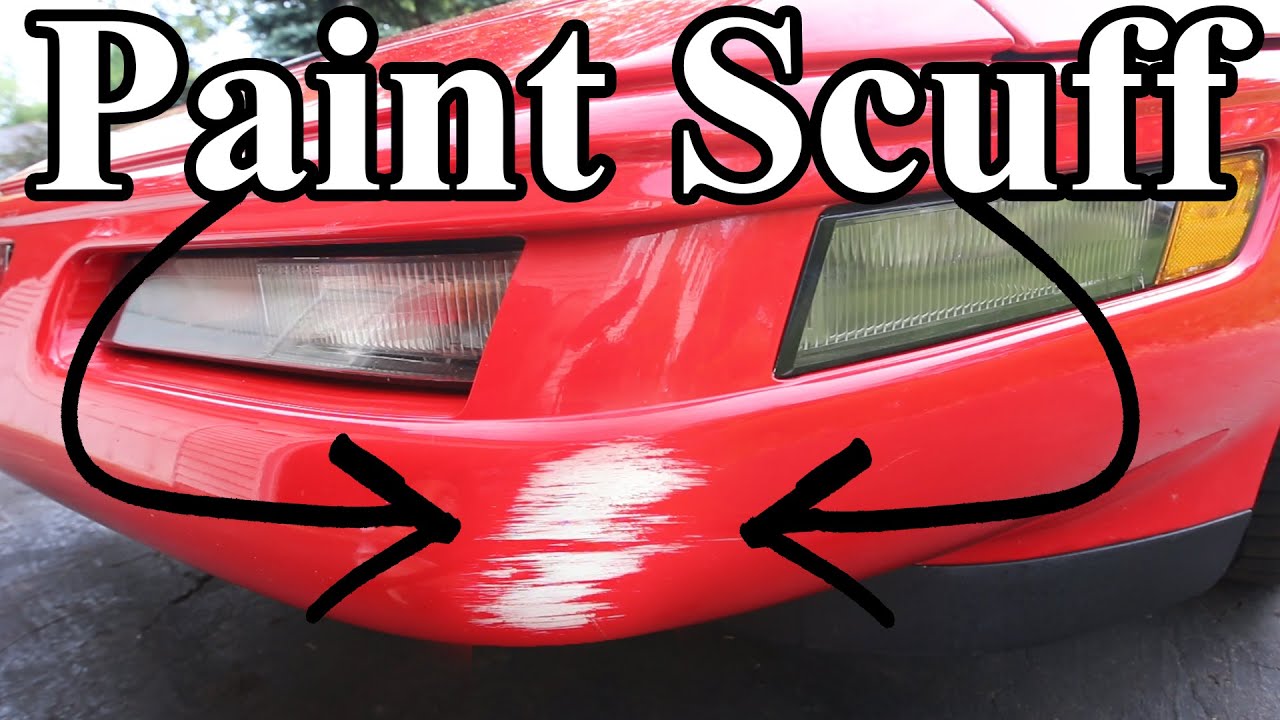
A deep scratch cuts through clear coat and often through paint down to primer or metal. Deep scratches differ from surface swirl marks. Surface marks sit in the clear coat. Deep scratches show a different color or bare metal.
Why this matters when you learn how to remove deep scratches from car paint at home:
- The deeper the damage, the more work and materials you need.
- Repairs range from touch-up paint to filling and repainting.
- Time, skill, and proper tools change the outcome.
I once fixed a scratch that hit bare metal on my daily driver. I learned to stop at each step. Rushing made more sanding and blending later. That lesson shaped the step-by-step method below.

How to assess scratch depth quickly and safely
Use a few quick tests to see how deep a scratch is. These tests guide your plan to remove deep scratches from car paint at home.
Simple depth checks:
- Run your fingernail across the scratch. If it catches, the scratch is deep.
- Look for color change. Gray or bare metal means paint is gone.
- Use a bright light and clean surface. Dirt hides real depth.
Record what you find. Note if the clear coat, base coat, primer, or metal is exposed. That tells you if you can use touch-up paint, need filler, or need a pro repaint.
Tools and materials you’ll need
Gather tools before you start. The right kit saves time and gives a cleaner repair when you remove deep scratches from car paint at home.
Essentials:
- Touch-up paint matched to your car’s color code
- Clear coat pen or spray
- Fine sandpaper: 1000, 1500, 2000, 3000 grit
- Sanding block and microfiber towels
- Rubbing compound and polishing compound
- Masking tape and plastic sheeting
- Primer and thin body filler for large gouges
- Isopropyl alcohol and panel cleaner
- Small brushes or toothpicks for paint application
- Safety gear: gloves, mask, eye protection
I keep a small kit in my garage. It lets me act fast after new damage. Match paint to the code on the driver door jamb. A correct match cuts blending time.

Step-by-step methods to remove deep scratches from car paint at home
Choose a method based on scratch depth. I list the most common DIY routes. Read all steps first, then work slowly.
- Touch-up paint for deep but narrow scratches
- Clean the area with soap and water. Dry, then wipe with isopropyl alcohol.
- Lightly sand the edges with 2000 grit to remove loose clear coat.
- Apply primer if bare metal shows. Let it cure per instructions.
- Use a fine brush to apply touch-up paint in thin layers. Let each layer dry.
- When paint sits level with surrounding surface, apply clear coat.
- Wet sand with 3000 grit if needed, then polish gently.
This method works when the scratch is deep but small. It is one of the easiest ways to remove deep scratches from car paint at home.
- Sanding, compound, and polish for scratches that don’t reach bare metal
- Clean the panel well.
- Use 1500 grit sandpaper to blend the scratch edges. Keep the paper wet.
- Move to 2000 grit to smooth. Wipe often.
- Apply rubbing compound with a foam pad. Work at low speed or by hand.
- Follow with polishing compound for shine.
- Finish with a protective wax or sealant.
This method removes scratches in clear coat and light basecoat damage. It keeps paint intact while removing visible defects.
- Filling and repainting for deep gouges down to primer or metal
- Clean and sand the area to remove rust and loose paint.
- Apply a thin body filler to the gouge. Shape with a plastic spreader.
- Sand the filler flush. Start with 400 grit then 800-1000 to refine.
- Apply primer over the repaired spot. Sand primer smooth with 1000-1500 grit.
- Apply base coat color in thin passes. Let dry between coats.
- Apply clear coat in 2–3 light layers. Let cure fully.
- Wet sand and polish to blend edges.
This is the most involved way to remove deep scratches from car paint at home. It takes time, but it fixes structural damage and prevents rust.
- Blending and spot-painting for visible color differences
- Mask the surrounding panel to limit overspray.
- Use thin coats and feather the paint out past the repair.
- Blend clear coat with the surrounding finish by feathering edges and polishing.
Good blending makes a repair nearly invisible. Practice on scrap metal or an old bumper first.
Tips, tricks, and mistakes to avoid
Small habits make a big difference when you try to remove deep scratches from car paint at home.
Practical tips:
- Work in the shade and on a cool panel to avoid fast drying.
- Use minimal sanding area to protect surrounding paint.
- Build thin layers of paint. Thick coats peel or run.
- Keep a clean workspace to avoid dust in your paint.
- Record the color code and batch for future touch-ups.
Common mistakes:
- Skipping primer on bare metal, which leads to rust.
- Using too low grit sandpaper at first and cutting into good paint.
- Rushing clear coat drying time.
- Not testing color match on a hidden spot.
From my experience, patience beats speed. A well-paced repair looks better and lasts longer.
When to call a professional
Not every job should be DIY. Know the limits and safety concerns before you try to remove deep scratches from car paint at home.
Seek pros when:
- The scratch spans a large panel or door seam.
- Structural damage or deep rust shows.
- You lack tools, or the match is critical (luxury paint, rare colors).
- You want a factory finish or warranty.
Professionals have spray booths, color-matching systems, and skills for complex blending. If cost is close to a local shop quote, professional work can be worth it.

Aftercare: protect your repair and keep it lasting
Once the scratch is fixed, aftercare keeps results strong and looks sharp.
Maintenance steps:
- Wait full cure time before washing. Follow paint and clear coat instructions.
- Apply a paint sealant or wax once the finish cures.
- Avoid automatic brushes for the first month to prevent swirl marks.
- Inspect repairs periodically for chips or lifting.
Good care prevents future problems. In my shop, I recommend a ceramic or polymer sealant for long-term protection.

PAA-style quick questions
What supplies are essential for a DIY deep scratch repair?
- Touch-up paint matched to your code, clear coat, sandpaper (1000–3000 grit), rubbing compound, primer, and basic safety gear.
Can I fix a deep scratch that shows metal myself?
- Yes, if you are careful. You must remove rust, prime the metal, use filler if needed, and apply base coat and clear coat with patience.
How long does a DIY repair take?
- Small touch-ups can take a few hours including drying time. Full gouge repairs may take a few days for curing and sanding steps.
Does sanding always damage the paint more?
- Not if you use the right grit and wet sanding technique. Start high (fine grit) and sand lightly to blend, not to remove large areas.
Will a DIY repair be invisible?
- It depends on skill, tools, and color match. Small scratches can be nearly invisible. Large or complex panels may show subtle differences.
Frequently Asked Questions of How to remove deep scratches from car paint at home
How do I know if a scratch is repairable at home?
Most scratches that do not reach bare metal are repairable at home. If metal or rust shows, you can still repair it, but the job needs primer, filler, and more care.
How do I match my car paint for touch-up?
Find the color code on the driver door jamb or in the owner manual. Use that code to buy touch-up paint. Test on a hidden spot or scrap metal to confirm the match.
Can I use household items to fix deep scratches?
Household items may help small surface marks, but deep scratches need automotive-grade paint, primer, and clear coat for a lasting repair.
Is wet sanding safe for clear coat?
Yes, wet sanding with fine grits (2000–3000) is safe when done gently. It helps level clear coat and remove small defects before polishing.
How long should I wait before waxing after repair?
Wait until the clear coat is fully cured. This can be 24–72 hours for quick cures or up to 30 days for full chemical cure, depending on products used.
Conclusion
You can remove deep scratches from car paint at home with the right assessment, tools, and patience. Start by checking how deep the scratch is. Then pick the right method: touch-up paint, sanding and compounding, or filler and repaint. Take your time, use thin layers, and protect the repair after it cures. Try a small practice repair first to build confidence. If the job is big or the paint is complex, consult a pro.
Ready to try a repair? Gather the tools, read the steps again, and take it slow. Share your results, ask questions, or subscribe for more hands-on car care tips.